


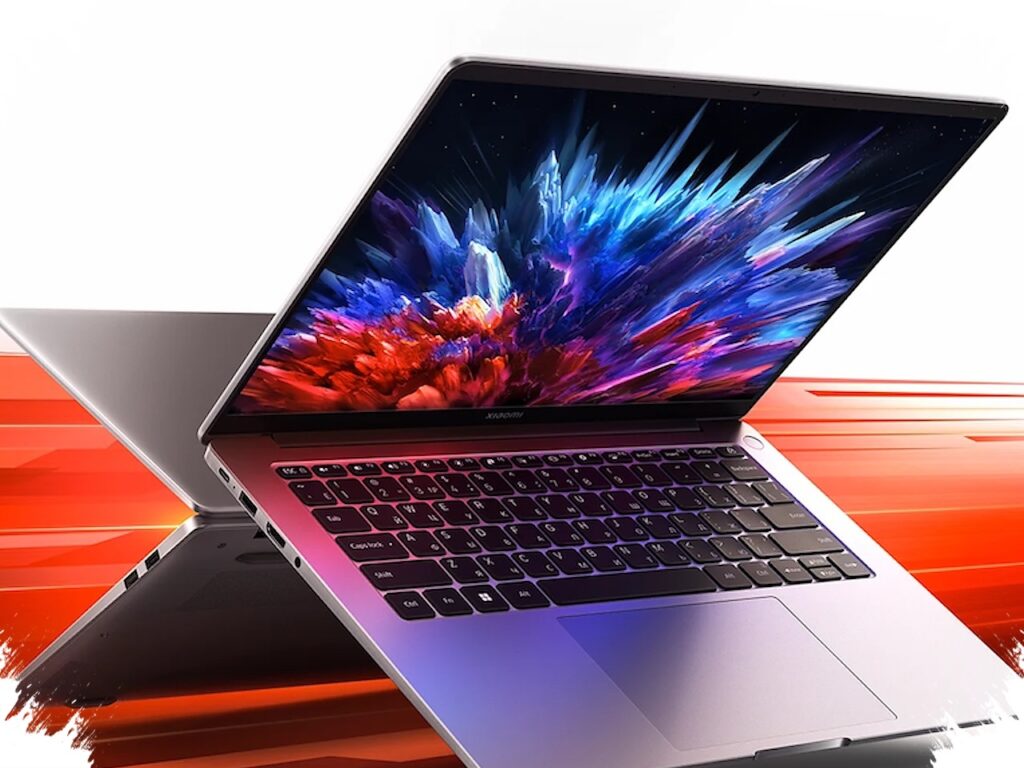
Xiaomi is widening its premium laptop push with the Book Pro 14, a new model that brings Intel’s Panther Lake architecture into the company’s portable lineup. The move matters because it places Xiaomi among the first brands to use the latest Intel platform in a high-end notebook aimed at users who want stronger performance and better efficiency.
The new machine is positioned as a serious productivity device, not just another thin-and-light option. Xiaomi is also preparing the Redmi Book Pro 2026 series, which should carry much of the same technology into a more affordable package for a broader audience.
Book Pro 14 Opens Xiaomi’s Panther Lake Era
Xiaomi has refreshed the Book Pro 14 in China, and the highlight is clear: it is the brand’s first laptop to adopt Intel Panther Lake. The top configuration uses the Intel Core Ultra X7 358H, a chip designed for premium laptops that need to handle demanding workloads.
That choice signals Xiaomi’s intention to compete more aggressively in the Windows laptop segment. Panther Lake is built to balance power and efficiency, which should help the Book Pro 14 deliver faster app launches, smoother multitasking, and better sustained performance for work and content creation.
Redmi Book Pro 2026 Extends the Strategy
After the Book Pro 14, Xiaomi is lining up the Redmi Book Pro 2026 in 14-inch and 16-inch versions. Both models are expected to offer up to the Intel Core Ultra X7 358H, keeping them close to premium territory even if the pricing lands below the main Xiaomi-branded device.
This is a familiar Xiaomi pattern, where technology from the flagship tier later appears in the Redmi line. That approach gives buyers a chance to access newer hardware without paying top-tier laptop prices.
Battery Capacity Becomes the Main Talking Point
Battery life may be the strongest selling point for the upcoming lineup. Xiaomi says the Redmi Book Pro 16 2026 will pack a 99 Wh battery, which is unusually large for a consumer laptop and sits near the practical limit often associated with air travel regulations.
The 14-inch model is also noteworthy because it uses a 92 Wh battery. Xiaomi says this is larger than the battery in the newly launched Xiaomi Book Pro 14, which suggests the smaller Redmi version could still deliver long endurance despite its more compact design.
Key Specs So Far
| Model | Display Size | Processor Options | Battery |
|---|---|---|---|
| Xiaomi Book Pro 14 | 14-inch | Up to Intel Core Ultra X7 358H | Not fully detailed |
| Redmi Book Pro 2026 | 14-inch | Up to Intel Core Ultra X7 358H | 92 Wh |
| Redmi Book Pro 2026 | 16-inch | Up to Intel Core Ultra X7 358H | 99 Wh |
What Xiaomi Is Claiming About Endurance
Xiaomi says the 14-inch Redmi Book Pro 2026 can play local video for up to 37 hours. That figure is based on the company’s own testing, so real-world results will likely vary depending on brightness, workload, and network use.
The same model also supports 90 W fast charging, which should help offset the large battery capacity. For users who move between meetings, classes, or travel, that combination usually matters as much as raw battery size.
A Clear Challenge to MacBook Pro M5
Xiaomi appears to be aiming squarely at Apple’s premium laptop territory, including the MacBook Pro M5. The comparison is less about copying Apple’s formula and more about offering a high-performance alternative with strong battery capacity and potentially lower pricing.
The company is also expected to include an entry-level configuration with the Intel Core Ultra 5 325. That would give the Redmi Book Pro 2026 a wider spread of options, from more affordable productivity use to higher-end performance needs.
Launch Timing and Market Positioning
Xiaomi has not announced an exact launch date for the Redmi Book Pro 2026 series. The company has, however, indicated that it plans to unveil the laptop lineup alongside the Redmi K90 Max flagship phone at the end of April in China.
If that timeline holds, Xiaomi will use the event to show how Panther Lake is moving beyond early adoption and into consumer products with real market ambition. The combination of Intel’s latest architecture, large batteries, and Xiaomi’s lower-cost positioning could make the Book Pro 14 and Redmi Book Pro 2026 relevant choices for productivity buyers who want premium hardware without following Apple’s pricing model.