


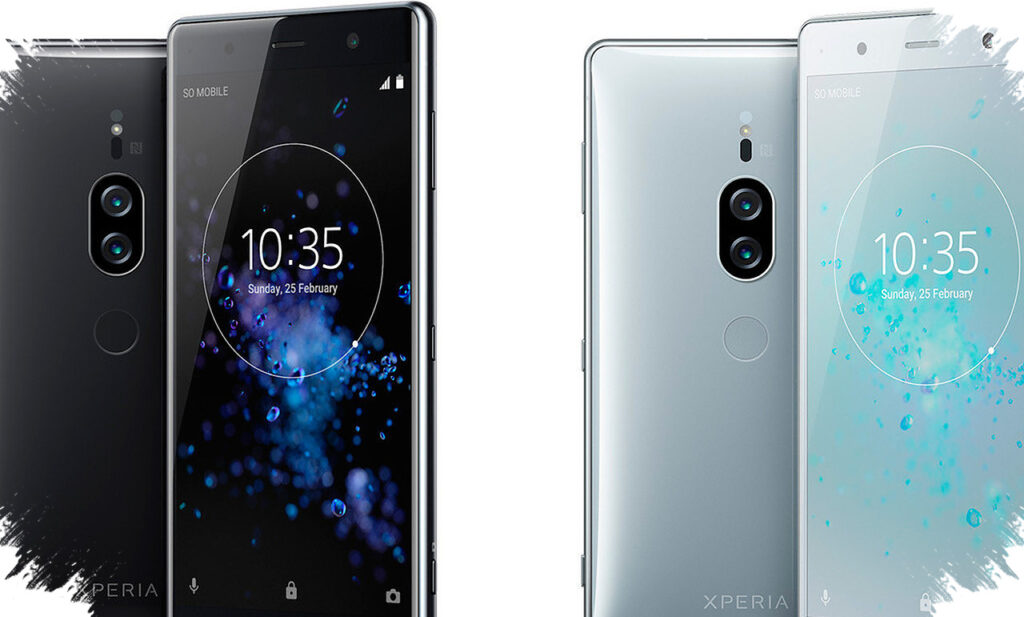
Sony’s absence from the cheap smartphone segment is not a sign of retreat. It reflects a deliberate business model that prioritizes premium branding, tighter product control, and lower-volume sales over aggressive expansion in the entry-level market.
That choice helps explain why Xperia phones remain visible in the smartphone industry even though Sony does not compete head-on with budget-heavy rivals. Instead of chasing the lowest price, Sony keeps its mobile line aligned with a broader company identity built around image quality, audio performance, and polished design.
A Premium Identity Comes First
Sony has spent years positioning Xperia as a premium product line. The company markets its phones around display quality, camera tuning, and multimedia experiences rather than around price wars or mass-market pricing.
This approach contrasts sharply with brands that spread across many segments. Samsung, for example, sells devices from affordable Galaxy A models to high-end Galaxy S flagships, which gives it wide market reach and stronger scale advantages.
Why Low-Cost Phones Do Not Fit Sony’s Model
The smartphone market is crowded, and the budget tier is one of the toughest places to compete. Brands such as Xiaomi and Realme push aggressive specifications at low prices, which leaves little room for profit.
For Sony, joining that fight would require accepting thinner margins and intense pricing pressure. That would also risk weakening the premium image that defines Xperia and sets it apart from larger rivals.
Higher Standards Usually Mean Higher Costs
Sony is known for strict standards in materials, industrial design, and imaging technology. The company also supplies camera sensors to many other brands, a reminder of its strong technical position in mobile imaging.
Those strengths, however, do not come cheaply. When a phone uses premium components and refined manufacturing processes, the final price tends to rise, making it harder to launch a truly low-cost model without sacrificing either quality or profit.
Scale Matters in Smartphone Economics
A major reason budget phones work for some brands is scale. Large manufacturers can spread development and production costs across millions of units, which makes low pricing more sustainable.
Sony does not enjoy the same volume advantage in smartphones. Smaller shipment numbers usually mean higher costs per device, so a cheap Xperia would be harder to sell profitably unless Sony cut corners or took a hit on margins.
Sony’s Business Priorities Have Changed
Sony is no longer relying on mobile as a central growth engine. The company now leans heavily on other businesses such as gaming, entertainment, cameras, and professional imaging products.
That shift makes the mobile division more selective. Rather than flooding stores with many variants, Sony appears more comfortable releasing fewer models that match its brand image and appeal to a narrower but more loyal audience.
What This Means in Practice
- Sony targets premium users who value design and multimedia.
- Samsung covers more price tiers and uses scale to compete broadly.
- Budget brands fight on price and volume, leaving little margin room.
- Sony’s smaller smartphone footprint reduces its ability to win a price war.
- Premium standards help protect the Xperia identity.
A Strategic Choice, Not a Weakness
Sony’s reluctance to build cheap phones is better understood as a strategic decision than as a limitation. The company can make lower-priced devices if it wants to, but doing so would pull Xperia into a brutal market where winning depends on scale, cost cuts, and razor-thin profits.
Instead, Sony keeps its smartphone line focused on what it believes the brand stands for: premium quality, disciplined product planning, and a strong multimedia experience that fits its wider consumer electronics image.