


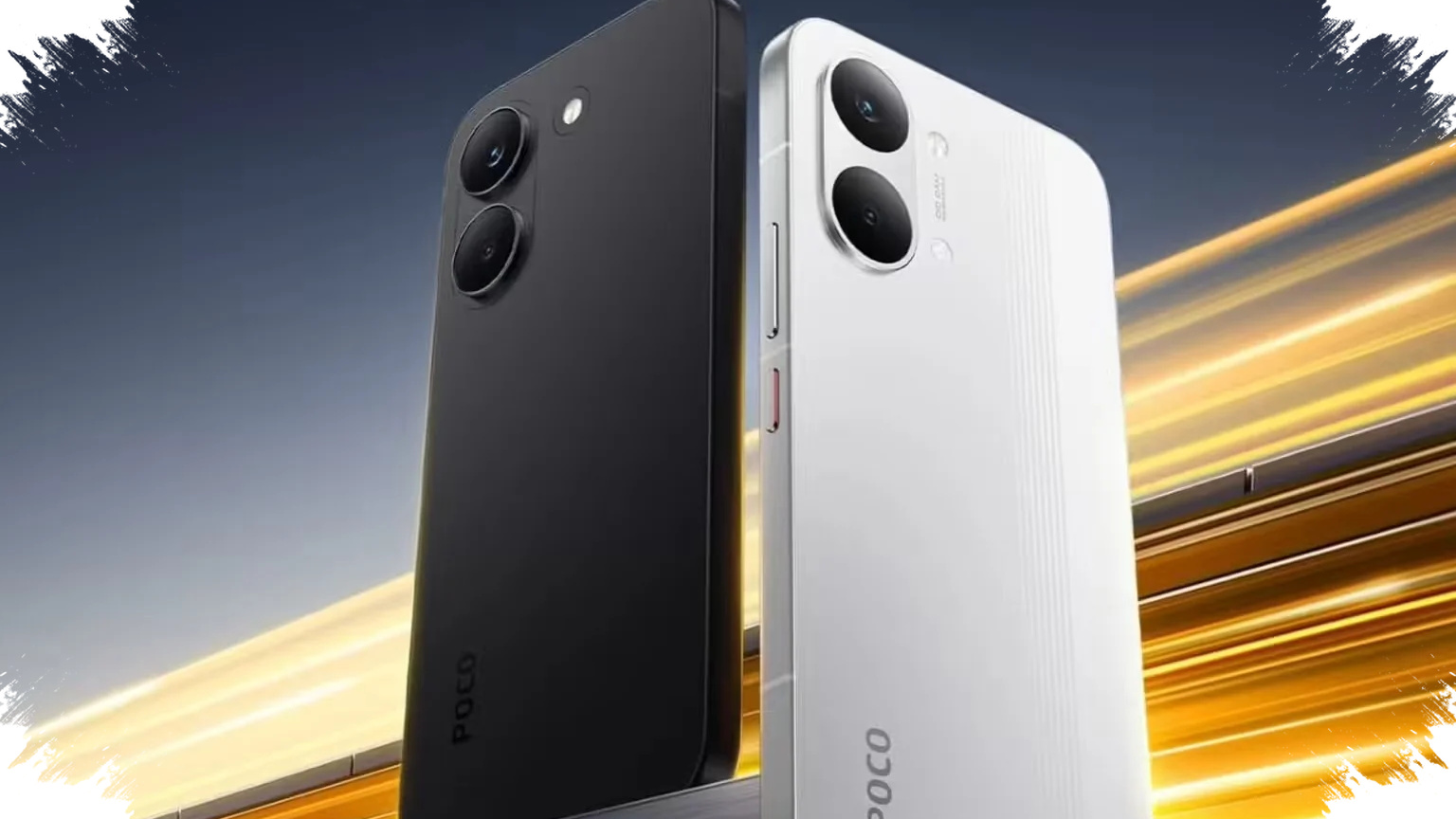
Poco’s X8 Pro Series has opened with an unusually strong commercial signal in Indonesia, selling more than 30,000 units within 24 hours of its first launch day on April 4, 2026. The rapid sell-through suggests that demand for high-performance midrange smartphones remains deep, especially among younger buyers and mobile gamers who want strong specs without moving into ultra-premium price territory.
That early momentum is now drawing attention to a bigger question: whether Poco is building another wave of dominance in the gaming smartphone segment. The company says the response confirms that its X Series remains a favorite, while the market reaction shows that buyers still reward devices that combine performance, design, and aggressive value positioning.
A Fast Start That Signals Real Demand
Poco Indonesia said the X8 Pro Series was designed not only as a performance device but also as part of a lifestyle identity. In a statement to Selular on Friday, April 10, 2026, Poco Indonesia PR Manager Novita Krisutami said, “POCO X Series always becomes a favorite, and this time we bring it to the next level. Gaming is not only about winning, but also about how you stand out.”
That positioning matters because the smartphone market in the upper midrange category has become more competitive. Buyers now compare more than chipset names and memory figures, since they also weigh battery life, thermal control, camera quality, and industrial design before making a purchase.
Why the X8 Pro Series Attracted Buyers
The X8 Pro Series leans heavily on Poco’s “Extreme Performance” and “Extreme Value” formula. The approach targets users who want high-end speed characteristics but still look for a device that feels rational in terms of price and daily usability.
The strongest attention has centered on the Poco X8 Pro Max, which brings several headline features:
- Dimensity 9500s chipset, which Poco says debuts globally on this smartphone.
- An AnTuTu score of 3,085,998, placing it in flagship-level performance territory.
- A 6.83-inch display with an M10 flagship panel and LPDDR5X 9600Mbps RAM.
- An 8,500mAh silicon-carbon battery for extended endurance.
- 100W HyperCharge support for fast top-ups.
Those specifications are clearly aimed at heavy users. Gaming, multitasking, and high-volume content consumption all benefit from stronger processing power and sustained battery performance.
Battery Life and Cooling Add Practical Value
Poco also highlights durability as a core selling point. The 8,500mAh battery is described as capable of lasting up to two days in certain usage patterns, which gives the device a practical edge for people who spend long hours away from a charger.
Thermal management also plays an important role in gaming phones, and Poco addresses that with a 3D IceLoop cooling system. Better heat control can help maintain performance during long sessions, especially when a device runs demanding games or other resource-heavy apps for extended periods.
Camera and Daily Use Still Matter
Performance may drive interest, but it is not the only factor shaping purchase decisions. The X8 Pro Series also includes a 50MP Light Fusion 600 OIS camera sensor, which adds optical image stabilization for sharper results in lower light and during motion.
That feature set shows how the market has changed. Many buyers still want a phone that performs well in games, but they also expect the same device to work for travel, social media, photography, and long workdays. Pure speed alone no longer defines success in this segment.
What the Strong Launch Means for Poco in Indonesia
Poco’s 30,000-unit first-day result indicates that the brand still has strong relevance among Indonesian smartphone buyers. Its value-driven identity has long resonated with younger users and gaming communities, both of which remain highly active in the local market.
The company has already used a similar strategy with the F8 Series earlier this year, which helped establish a stronger flagship benchmark. The X8 Pro Series now broadens that play by bringing high-end performance into a wider and potentially more accessible category.
For now, the key issues will be stock availability, promotional consistency, and whether the early demand converts into sustained sales beyond the launch window. The first 24 hours suggest Poco has hit a responsive market, and the next phase will show whether that launch energy can translate into lasting dominance in Indonesia’s gaming-focused smartphone segment.