


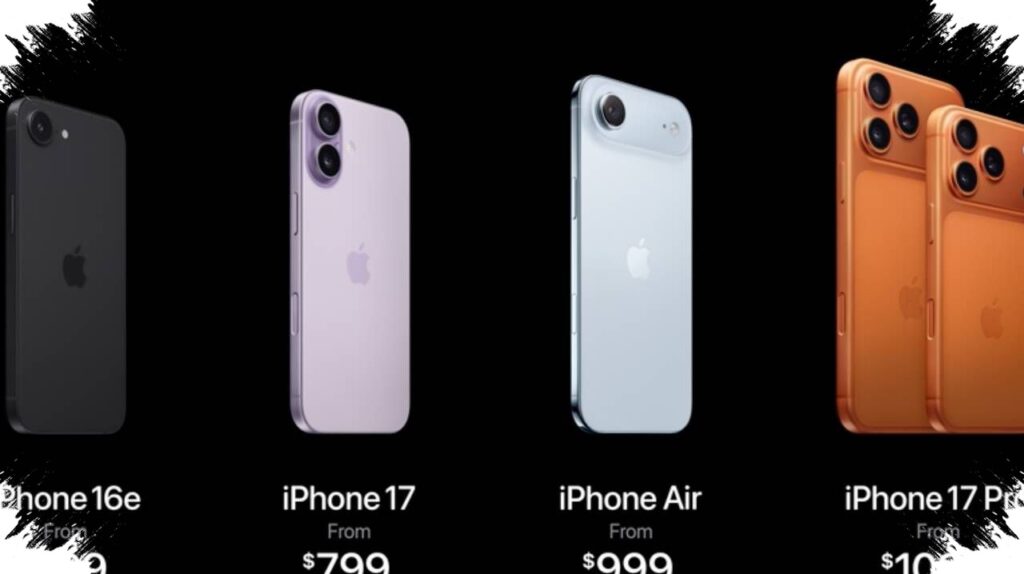
Apple is reportedly preparing a major shift in how it launches the iPhone line, with as many as six models expected to arrive in two separate release waves. The most attention-grabbing detail is a premium version that could reach around $2,000, or roughly $31,000,000 at an exchange rate of Rp15,500 per US dollar.
The reported move suggests Apple wants to move away from the familiar four-model launch pattern and spread announcements across a longer period. That approach could help the company manage production, keep consumer attention longer, and position each model more clearly in a crowded premium smartphone market.
A new release rhythm for the iPhone lineup
The leaked direction indicates Apple may split its iPhone launch calendar into two stages instead of one large September-style event. This would allow some models to reach the market earlier, while others would follow later in the cycle.
That kind of schedule can give Apple more flexibility in inventory control and supply chain planning. It also creates a longer marketing window, which can help sustain interest from buyers, analysts, and media outlets for months rather than weeks.
Six models aimed at different buyer segments
The reported lineup appears designed to cover a wider range of consumers, from standard users to high-end buyers. Apple has long relied on tiered pricing, but the potential addition of more models suggests a sharper segmentation strategy.
A simple view of the expected structure looks like this:
- A standard model for mainstream buyers.
- A mid-tier variant for users wanting stronger features at a lower premium.
- A Pro-level model for power users and professionals.
- An ultra-premium model targeting the most affluent customers.
- Additional variants that could be spread across two release phases.
- A broader product ladder that keeps Apple visible across multiple price points.
This structure would help Apple protect volume sales while also strengthening revenue from higher-margin devices. It could also raise the company’s average selling price, a key metric for premium hardware makers.
The $2,000 iPhone would push the market higher
The most striking part of the report is the expected ultra-premium pricing. At about $2,000, the device would enter a rare category where design, materials, and display technology must justify a far higher price than standard flagship phones.
That level usually belongs to products that offer genuinely different hardware, such as advanced screens, foldable designs, or new form factors. In that segment, buyers expect more than incremental upgrades, because the price places the device among the most expensive smartphones ever sold by a mainstream brand.
Why Apple may be changing course now
The premium smartphone market remains one of the most profitable segments in mobile technology. Even as overall smartphone growth slows, top-tier devices continue to attract customers who want the newest features, the best cameras, and prestige branding.
Apple also faces stronger competition from rivals that push innovation through foldable phones, slimmer industrial design, and AI-focused features. A more staggered launch strategy could help Apple respond faster to market shifts while keeping each product announcement focused.
What the reported lineup could mean for buyers
If the six-model plan becomes reality, consumers may see a wider spread of choices within the iPhone family. That could make it easier for Apple to appeal to everyday users, upgrade-focused buyers, and customers willing to pay for top-end features in one product cycle.
The pricing ladder would likely remain a key part of the strategy. Apple can keep one model close to the mainstream market while using the most expensive version to signal innovation and exclusivity, a formula that has worked well in the premium device category for years.
For now, Apple has not confirmed the number of models, the timing of the rollout, or the pricing details tied to the reported ultra-premium version. Still, the emerging picture points to a more aggressive iPhone strategy that could reshape how Apple presents its flagship lineup in the years ahead.