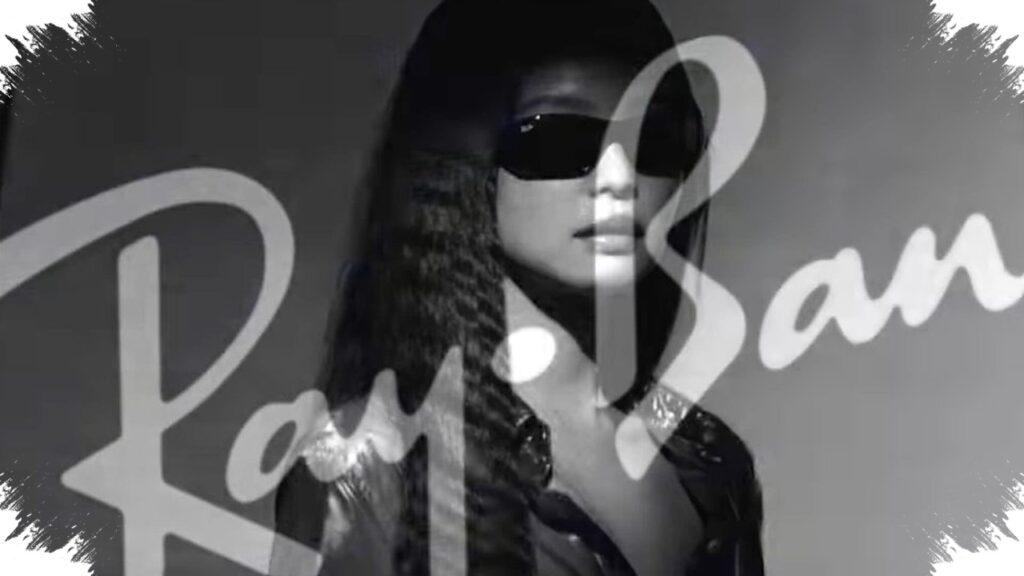
Jennie of BLACKPINK has been named the global ambassador for Ray-Ban, including the Ray-Ban Meta smart glasses line, signaling a sharper push where fashion and wearable technology now overlap more aggressively. The move places one of the world’s most recognizable K-pop figures at the center of a campaign designed to make smart eyewear feel more cultural, more stylish, and less like a niche device.
Ray-Ban says Jennie fits the brand’s “DNA,” a description that reflects how the company wants to frame her role beyond a standard celebrity endorsement. For Ray-Ban, the pairing is not only about visibility, but also about linking innovation, self-expression, and design credibility under one global message.
Why Jennie Matters to Ray-Ban’s Strategy
Jennie brings a rare mix of influence, fashion relevance, and youth appeal that fits Ray-Ban’s current market ambitions. Her public image is built on a clean but edgy style, which aligns well with a brand trying to keep its classic identity while reaching a new generation of consumers.
In her comments around the collaboration, Jennie described the partnership as natural, saying confidence does not need to be loud to be clear. That idea matches her own fashion language, which often combines minimalism, elegance, and subtle attitude rather than overt statement dressing.
Ray-Ban appears to be using that image to reposition smart eyewear as a lifestyle accessory first and a tech product second. The approach matters because wearable tech still faces the challenge of feeling practical without looking overly technical or futuristic.
Ray-Ban Meta Gets the Spotlight
The campaign places major attention on Ray-Ban Meta, the smart glasses line that blends Ray-Ban’s classic frame language with modern connected features. That formula is increasingly important in a market where consumers want products that can support daily use while still working as part of an outfit.
Jennie is shown wearing several Ray-Ban models in the global campaign, including Ray-Ban Meta Blayzer Optics. According to the reference material, that model is scheduled to be available starting April 14, 2026, making the campaign also a promotional bridge toward its market rollout.
- Ray-Ban Meta Blayzer Optics
- Ray-Ban Daddy-O
- Ray-Ban Alix
- Ray-Ban Asian Design
- Drea
The lineup shows a broader brand message rather than a single-product focus. Ray-Ban seems to want consumers to see the campaign as a full expression of its range, from classic silhouettes to newer smart options.
The Fashion-Tech Angle Is Becoming More Aggressive
The collaboration reflects a wider industry trend in which fashion labels and tech-driven accessories are marketed together more deliberately. Brands now know that design can be just as important as hardware when trying to win over consumers who care about both performance and image.
That is especially visible in the smart glasses segment, where adoption has often depended on whether the product feels wearable in everyday settings. A global ambassador like Jennie helps reduce the distance between a technical device and a fashionable item people may actually want to wear in public.
This is also where celebrity marketing becomes strategic rather than decorative. When a figure with Jennie’s reach wears a product, the item gains more than recognition; it gains lifestyle context, which can carry more weight than feature lists in a crowded market.
Why Daddy-O Drew Attention Too
One of the models highlighted in the campaign is Ray-Ban Daddy-O, a sunglasses style that combines a sporty profile with rectangular lenses and rounded corners. The frame also features the metal Ray-Ban logo on the temple, keeping the design tied to the brand’s long-standing visual identity.
Ray-Ban says the model is built to protect against sunlight while preserving visual clarity. That balance between function and style is important because it shows how the company wants even its classic frames to stay competitive in an era shaped by tech-enabled accessories.
Visual Branding With a Personal Touch
The campaign also uses deep red tones in Jennie’s imagery, a likely nod to her performance identity as Jennie Ruby Jane. That visual choice helps Ray-Ban create a more personal narrative around the campaign instead of relying on generic luxury advertising.
The tagline “frame their next move” reinforces that direction by linking eyewear to action, identity, and self-presentation. It positions the product as something that supports how people move through the world, not just how they look in a photo.
For Ray-Ban, the Jennie partnership is less about one endorsement and more about building a stronger bridge between premium fashion and consumer tech. With smart glasses moving closer to mainstream attention, the brand is betting that style leadership will be just as important as product capability.