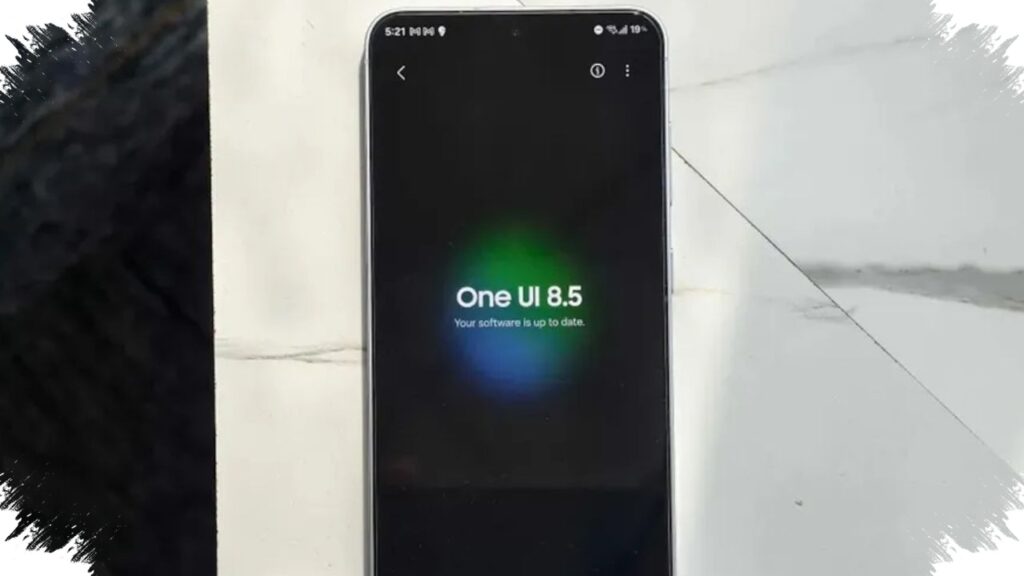
Samsung has started rolling out the One UI 8.5 beta to the Galaxy S23 FE and Galaxy A35, with India as the main launch market and South Korea also getting access for the A35. The update matters because it brings Android 16 QPR2 to two popular Samsung phones that sit below the company’s flagship lineup.
The wider beta rollout also suggests that Samsung is moving faster than usual with its software testing cycle. Earlier, One UI 8.5 beta had already reached the Galaxy S23, Galaxy S24, Galaxy S25, and Galaxy A36 in India, showing that the company is now expanding test access across both premium and mid-range devices.
One UI 8.5 beta reaches more Galaxy users
Samsung Members is the official entry point for the beta program, and Galaxy S23 FE owners in India can already sign up there. The download size is about 3.6 GB, so users need enough free storage and a stable internet connection before starting the installation.
For the Galaxy S23 FE, tipster Tarun Vats reported build versions S711BXXUEZZD5, S711BODMEZZD5, and S711BXXUEGZD1. That detail helps confirm that Samsung is pushing active beta development rather than a limited internal test.
The Galaxy A35 beta is also live in India, with a reported size of about 2.8 GB. The firmware version linked to that rollout is A356EXXU8ZZD2, and the same update has also appeared in South Korea for the device.
What Android 16 QPR2 brings under One UI 8.5
One UI 8.5 first arrived with the Galaxy S25 series in February, and Samsung has used it to introduce visual refinements, new AI tools, and deeper personalization options. The move to Android 16 QPR2 underlines how Samsung is aligning its interface updates more closely with Google’s latest platform changes.
One of the most noticeable changes is the improved Quick Panel. Users can resize elements, reorganize tiles, and shape the Quick Settings layout in a way that better fits daily use.
Samsung also updated QuickStar to expand customization inside the interface. For many Galaxy users, that level of control is one of the most attractive parts of the beta because it changes how the phone feels in everyday use.
Key features included in One UI 8.5
- More flexible Quick Panel layout
- Expanded QuickStar customization
- Improved Photo Assist inside Galaxy AI
- Smarter Bixby device controls
- Better conversation history in Bixby
- Privacy Protection powered by on-device Gemini Nano
Photo Assist is another focus area, and Samsung has positioned it as part of its Galaxy AI suite. The feature is designed to make image editing and enhancement more practical on supported devices without forcing users to rely on complex third-party tools.
Bixby also gets upgrades in One UI 8.5, with smarter device control and a more useful chat history. That may sound incremental, but it matters for users who depend on voice commands and quick automation in Samsung’s ecosystem.
Samsung is also adding Privacy Protection, which uses Gemini Nano on the device to blur sensitive content in images. The on-device design is notable because it keeps more processing local, which can help reduce privacy concerns tied to cloud handling.
What users should know before installing
Beta software is useful for early access, but it also comes with risks. Battery life can fluctuate, certain apps may not run properly, and overall performance can change while Samsung continues testing.
That makes the update a better fit for enthusiasts than for people who need a fully stable phone for work or daily reliability. Anyone joining the beta should back up important data first and be ready for occasional bugs.
Beta availability at a glance
- Galaxy S23 FE: India
- Galaxy A35: India and South Korea
- Android base: Android 16 QPR2
- Galaxy S23 FE update size: about 3.6 GB
- Galaxy A35 update size: about 2.8 GB
- Signup method: Samsung Members app
Samsung’s faster rollout shows that One UI 8.5 is becoming a broader testing effort rather than a limited preview for only flagship devices. If the current pace continues, more eligible Galaxy models could enter the beta program soon, especially as Samsung prepares the next phase of Android 16-based software deployment.