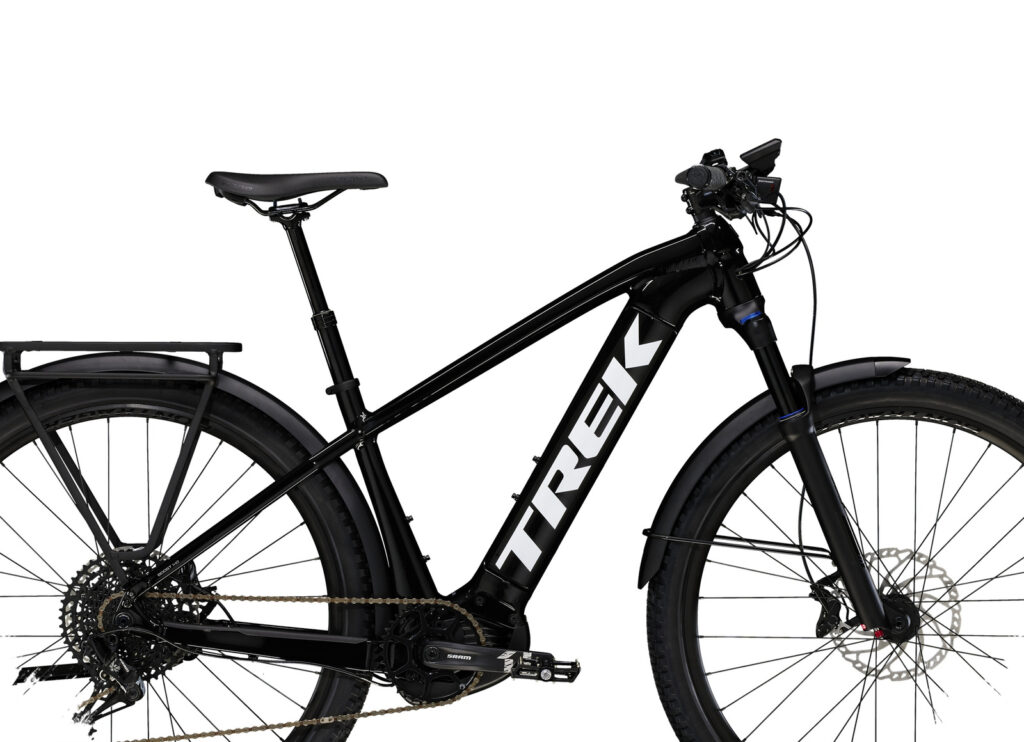
Electric service motorcycles are increasingly promoted as a cheaper option for government fleets, but the answer is not as simple as it sounds. In daily use, they can be far more economical than gasoline motorcycles, yet the full cost picture depends on purchase price, charging needs, and operating conditions.
The key issue is not whether electric motorcycles save money in one area. The real question is whether they are cheaper overall when a government office considers fuel, maintenance, infrastructure, and long-term ownership costs.
What makes electric motorcycles look cheaper
Electric motorcycles are widely seen as efficient because of their low energy consumption. Based on the reference data, they typically need around 1–2 kWh to travel 50 to 70 kilometers, which translates into an operating cost of roughly $0.002 to $0.003 per kilometer when converted from the reported local estimates, or about $0.03 to $0.05 per kilometer in the original calculation.
That is much lower than a conventional gasoline motorcycle, which can cost around $0.013 to $0.016 per kilometer based on the source figures, or roughly $0.20 to $0.25 per kilometer in the original local estimate. For fleets that run every day, those savings can add up quickly.
Maintenance also favors electric units
Electric motorcycles have fewer moving parts than internal combustion models. They do not need engine oil changes, and they generally require less routine servicing because they avoid many of the wear-and-tear issues found in gasoline engines.
This matters for government vehicles, which often operate on fixed schedules and face heavy daily use. Lower maintenance needs can reduce workshop visits, shrink service budgets, and simplify fleet management over time.
The biggest challenge is the upfront cost
Despite the lower running cost, electric motorcycles are not automatically cheaper in total. The purchase price remains a major barrier, especially when an institution buys in volume without incentives or subsidies.
According to the reference article, electric motorcycles in the market generally cost about $940 to $2,510, while comparable conventional motorcycles are often priced around $940 to $1,880. That gap may look manageable at first, but for fleet procurement, the difference can become significant.
A simple comparison
| Factor | Electric motorcycle | Conventional motorcycle |
|---|---|---|
| Daily energy cost | Lower | Higher |
| Routine maintenance | Lower | Higher |
| Upfront purchase price | Often higher | Often lower |
| Charging/refueling time | Longer | Faster |
| Infrastructure needs | Requires charging support | Uses existing fuel stations |
This table shows why the cheaper option depends on the time horizon. Electric motorcycles may win on daily operating costs, while gasoline motorcycles may remain easier to buy and deploy immediately.
Infrastructure still matters for public use
For a vehicle to work well as a service motorcycle, it must be ready whenever duty calls. That is where charging infrastructure becomes important, because electric motorcycles need reliable power access at offices, depots, or field locations.
Charging time is another practical issue. Refueling a gasoline motorcycle takes only minutes, while battery charging takes much longer. For agencies that operate across long distances or need constant mobility, that delay can affect response time and scheduling.
Why government offices are interested anyway
Electric service motorcycles can help reduce fuel spending and support emissions reduction targets. For city-based operations with short routes and predictable travel patterns, they make strong operational sense.
They also fit broader public policy goals, especially when administrations want to modernize fleets and cut carbon output. In that context, the benefits go beyond money and include environmental performance, energy efficiency, and a cleaner public image.
What the term ‘service electric motorcycle’ really means
The reference also notes that terms such as “SPPG service motorcycle” are not universally defined categories. In practice, such labels may refer to a specific program, office initiative, or procurement scheme rather than a standard vehicle class.
That is important because cost claims should always be read in context. A motorcycle may look efficient in one program with subsidies and charging support, but less practical in another environment without those advantages.
What agencies should calculate before buying
- Initial purchase price
- Battery charging infrastructure
- Daily operating distance
- Maintenance and service frequency
- Charging time versus mission needs
- Availability of subsidies or tax incentives
These factors determine whether an electric motorcycle is truly the cheaper choice for a particular institution. If the vehicle is used mostly inside a city and covers limited distances, the cost advantage becomes much clearer.
If the vehicle must travel farther, carry out unpredictable assignments, or operate in areas with weak charging access, the economics change fast. In those cases, the lower running cost may not fully offset the higher initial investment and infrastructure demands.