
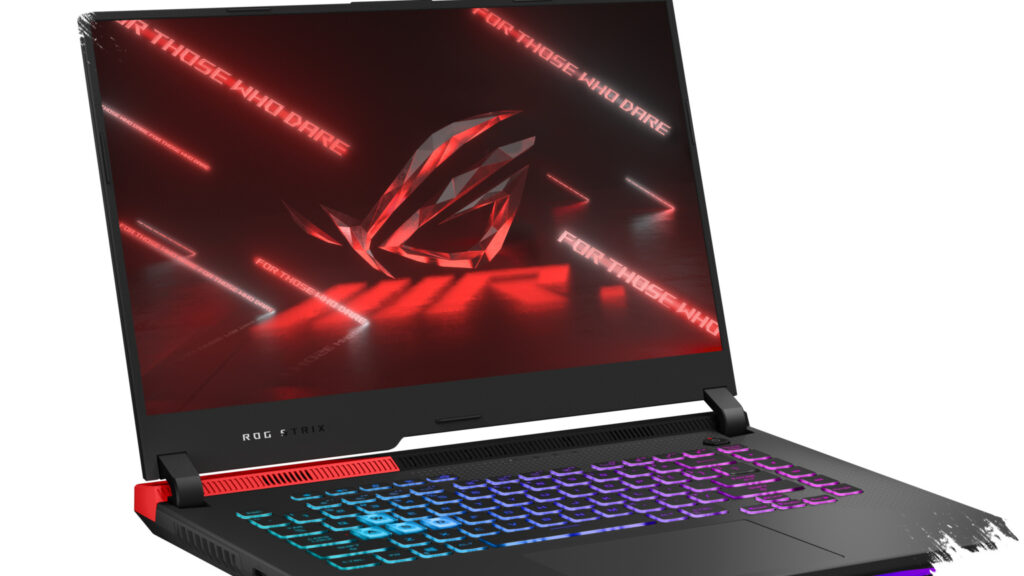
OnePlus appears to be taking an unusual route into mobile gaming with a device called Strix G15. The name has drawn attention not because it comes from ASUS, where “Strix” is usually associated with gaming laptops, but because it is now tied to a new handheld gaming controller for OnePlus.
The device is said to arrive in China alongside the OnePlus Ace 6 Ultra on 28 April 2026. If the report proves accurate, the pairing would show that OnePlus is not limiting its gaming push to smartphones alone, but is instead building a tighter link between a phone and a physical control accessory.
A familiar name in an unfamiliar role
Strix has long been recognized as part of ASUS’ premium gaming lineup, especially in laptops. That is why the same name appearing in OnePlus-related reports stands out, since the product in question is not a notebook at all but a controller made for gaming on smartphones.
The reported use case centers on the OnePlus Ace 6 Ultra. On its own, the phone is expected to behave like a standard flagship device, but when attached to the controller, the gaming experience is described as moving closer to that of a handheld console.
Physical controls are the key attraction
The strongest appeal of Strix G15 appears to be its button layout. It is said to include triggers, shoulder buttons, and extra rear buttons, giving players more direct control during gameplay.
That setup is particularly useful in games that demand precision, including shooting titles. With physical input, players can move, aim, and fire without relying entirely on touch controls, which often cover part of the display.
Keeping fingers off the screen also helps maintain a cleaner viewing area. In fast matches, that can matter because players need to read the action quickly without the distraction of repeated touch input across the front panel.
Speed and responsiveness are part of the pitch
OnePlus is also said to be focusing heavily on input speed. Strix G15 reportedly supports a 1000Hz polling rate along with 1.8 ms low latency, figures that point to very fast recognition of button presses by the system.
In competitive play, even a small delay between a press and the on-screen response can affect accuracy and timing. Still, the real-world value of those numbers will depend on how the final product is implemented and how well it works with the phone it is designed for.
Because the controller is built to pair closely with the Ace 6 Ultra, the quality of that integration will likely play a major role in the final experience. The concept depends not only on the controller itself but also on how smoothly the phone and accessory communicate during play.
Comfort matters as much as performance
The device is not only about speed. Its grip layout and button placement are also said to be designed for longer gaming sessions, suggesting that ergonomics is part of the plan rather than an afterthought.
That approach is important for a product meant to extend smartphone gaming. Unlike a standalone handheld, this controller has to work as a natural addition to the phone while still feeling comfortable enough to hold for extended periods.
When combined with the Ace 6 Ultra’s 165Hz display and flagship-class chipset, the setup is described as having the potential to deliver a gaming experience closer to a dedicated handheld system. The idea rests on a mix of fast screen performance, physical controls, and low input delay.
Not only for competitive players
The concept may appeal beyond serious gamers as well. A hybrid control system like this can also suit casual users who want a more comfortable way to play without having to learn a complex new setup.
For newcomers, physical buttons can make it easier to handle more demanding games. At the same time, experienced players can still benefit from the more precise control that this kind of accessory is meant to provide.
That gives Strix G15 a flexible position in the market. It is not framed solely as a competitive gaming tool, but also as a way to make mobile gaming feel cleaner, more structured, and more immersive for a broader range of users.
What stands out most is not just the borrowed name, but the direction it represents for OnePlus. By linking a phone, a controller, and a gaming-focused experience more tightly together, the company appears to be pushing mobile play closer to the feel of a dedicated handheld device.