The global smartphone market opened the year under pressure, even as Samsung and Apple continued to dominate the top of the rankings. IDC said worldwide shipments fell 4.1 percent in the first quarter, signaling that weaker demand and rising costs are weighing on the industry.
Total shipments reached 289.7 million units, down from 302 million units in the same period a year earlier. That decline shows that gains at the top do not necessarily translate into broader market recovery.
Samsung and Apple remain locked in a narrow race
Samsung stayed in first place with 62.8 million units shipped and a 21.7 percent market share. Its lead over Apple was slim, but enough to keep the Korean brand ahead of its longtime rival.
Apple followed closely with 61.6 million units and a 21.1 percent share. Both companies posted year-on-year growth, with Samsung rising 3.6 percent and Apple increasing 3.3 percent.
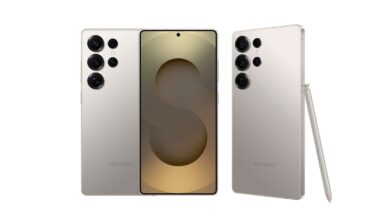
IDC said Samsung benefited from strong demand for the Galaxy S26 Ultra, while Apple drew support from the iPhone 17 series, especially in China. The numbers show how tightly matched the two leaders remain at the start of the year.
The rest of the top five faced a tougher quarter
Beyond the top two, the market picture was less favorable. Xiaomi held third place with 33.8 million units and an 11.7 percent share, followed by Oppo at 30.7 million units and 10.6 percent, while Vivo ranked fifth with 21.2 million units and a 7.3 percent share.
Only Samsung and Apple managed growth among the five largest vendors. Xiaomi recorded the sharpest decline, falling 19.1 percent year on year, while Oppo slipped 9.9 percent and Vivo dropped 6.8 percent.
IDC said Xiaomi reduced shipments of older models to avoid price increases. That move helped limit exposure to cost pressure, even though it also lowered volume.
Oppo’s shipments fell from 34.1 million units to 30.7 million units. IDC noted that its performance in China helped cushion the decline, and integration with Realme also supported its domestic position.
Vivo’s results were also weaker than a year earlier, but China and stable demand in India helped it remain in the global top five. The company shipped 21.2 million units, down from 22.7 million units in the same quarter last year.
Cost pressure is reshaping the market
IDC linked the broader slowdown to memory shortages and rising smartphone prices. Senior Research Director Nabila Popal said limited memory supply forced shipment cuts, while higher component prices pushed manufacturing costs upward.
Popal also pointed to the effect on developing markets. In some regions, prices could rise as much as 40 to 50 percent, which makes demand more fragile in price-sensitive categories.
Research Director Mobile Phones Anthony Scarsella said the surge in memory costs has made conditions worse for the industry. He added that developed markets such as the United States are holding up better because premium devices, trade-in programs, and financing options support demand.
Emerging markets face a harder challenge because many buyers depend on phones priced under 200 dollars, or around Rp 3.4 million. With fewer affordable choices available as production costs rise, the lower end of the market is feeling the strain more sharply.
IDC said the industry is gradually shifting toward a higher average selling price, or ASP. That trend reflects both rising component expenses and a stronger focus from manufacturers on higher-value product portfolios, even as the global smartphone market remains under pressure.