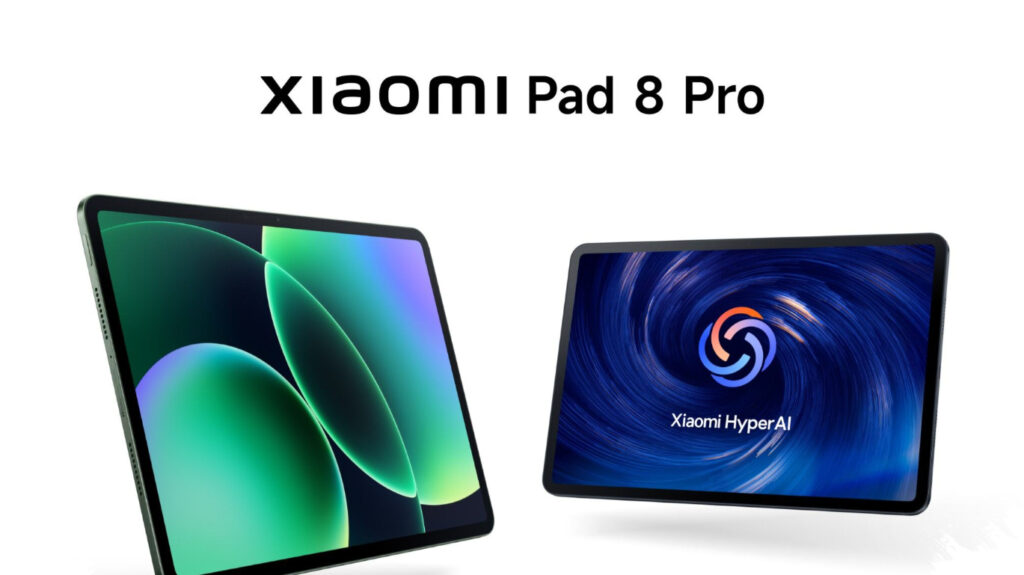
Xiaomi Pad 8 Pro is drawing attention for one clear reason: it tries to close the gap between a tablet and a laptop. The device is positioned strongly for productivity, but its behavior in demanding games still leaves room for doubt.
The appeal is easy to understand. For document work, presentations, and multitasking, the tablet feels far more capable than a typical entertainment-focused device. Yet once the workload shifts to heavier gaming, the experience becomes less consistent.
A tablet that leans hard into office use
One of the clearest signs of Xiaomi’s direction is the built-in PC version of WPS Office. Its interface is said to feel very close to a laptop workflow, which makes the Xiaomi Pad 8 Pro more comfortable for office-style tasks.
Basic editing for documents, spreadsheets, and presentations can be done for free. Premium functions such as PDF conversion and larger cloud storage still require a 1- to 2-year subscription, but the core experience already gives the tablet a practical edge for daily work.
File handling also appears solid in testing. A PowerPoint file in the tens of megabytes opened smoothly, while Excel editing and saving were described as running without major issues.
Desktop mode pushes the PC-like feel further
The tablet’s desktop experience becomes more convincing through Desktop Mode, which can be accessed from the Control Center. The interface shifts into a layout that feels closer to macOS and supports multi-window use.
That matters for users who keep several apps open at once. It gives the Pad 8 Pro a more flexible working environment, especially when paired with accessories that support a desk-based setup.
The latest Xiaomi Smart Pen adds to that productivity-focused identity. The source notes that input delay is very minimal, and charging is convenient because the stylus attaches magnetically to the body of the tablet.
Display quality remains strong despite using IPS
On the visual side, the Xiaomi Pad 8 Pro does not use an OLED panel and instead relies on IPS. Even so, the screen still sits in flagship territory thanks to its 440 PPI pixel density.
That high density makes the display look sharp and detailed. For graphic-oriented tasks, the panel is described as accurate and responsive, even being noted as sharper than the average base iPad series in certain respects.
This helps reinforce Xiaomi’s intent. The tablet is being presented less as a simple media device and more as a serious work tool with strong visual credibility.
Gaming performance depends heavily on the title
The picture changes when the tablet is pushed into demanding gaming scenarios. In tests involving games run through emulation or Game Hope, including The Witcher, frame rates were only in the teens to around 20 FPS.
That result suggests the software optimization is not yet mature for certain workloads. Despite the strong hardware on paper, heavy gaming has not become a fully stable experience.
A different result appears with popular Android games such as Delta Force. There, the tablet can reach 120 FPS, showing that the hardware itself is capable when the app and optimization path are better aligned.
Hardware strength is not the problem, optimization is
The overall pattern is clear: the Xiaomi Pad 8 Pro performs best when the software environment is well matched to it. In those cases, the tablet can be very fast and responsive.
When the system is pushed through heavier scenarios or emulation, the experience becomes less predictable. That makes the device feel more like a work-first machine that can also handle games, rather than a gaming tablet built for heavy titles as its primary mission.
Other details shape its identity
Several additional features help define the device’s character. The tablet does not support bypass charging, and security relies on a fingerprint sensor built into the power button.
Connectivity is also covered with GPS and a compass, which opens the door to specific use cases such as acting as a car head unit. Battery endurance is claimed to last more than 5 hours during intensive gaming use.
There is also discussion around the official Indonesian keyboard package, which does not use a trackpad or floating design like the global version. The explanation given is that the different design helps keep the price competitive in the Indonesian market.
Taken together, the Xiaomi Pad 8 Pro stands out most clearly as a productivity-focused tablet with a strong laptop-like work experience. Its biggest weakness remains heavy gaming, where software support still has to mature before performance can feel consistently reliable.