


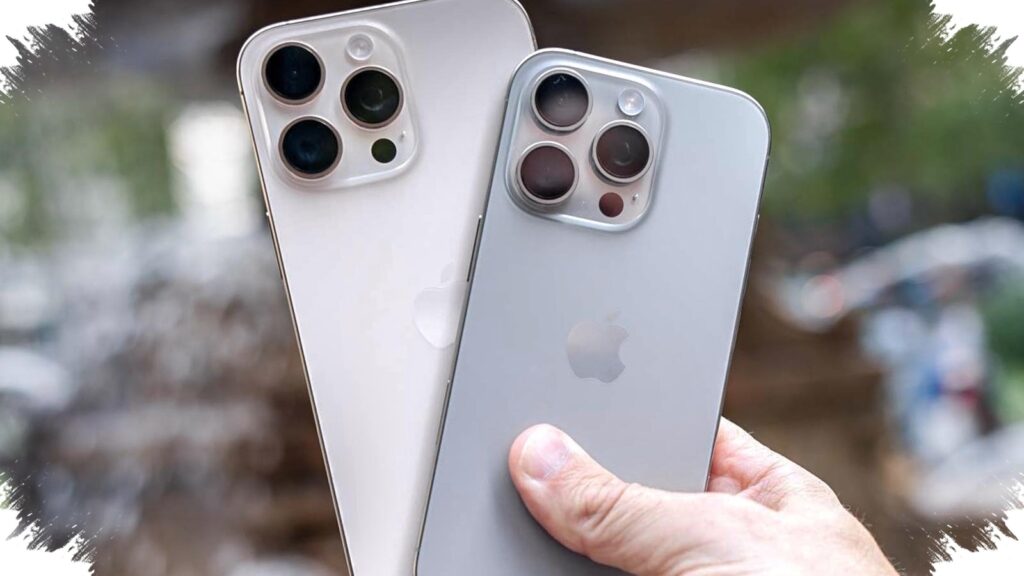
For many buyers, the smartest iPhone is not the biggest or the most expensive one. The iPhone 17 stands out because it delivers a strong mix of features, performance, and everyday practicality without pushing shoppers into Pro Max territory.
That balance is what makes the model especially relevant for people who want a modern iPhone that feels complete from the start. It avoids the extremes of premium pricing and oversized hardware while still covering the needs that matter most in daily use.
Why the iPhone 17 fits most buyers
The iPhone 17 is positioned as the safest choice for a wide range of users because it carries a 6.3-inch ProMotion display, the same type of screen found on the iPhone 17 Pro. Apple also doubles the base storage to 256GB, which gives users more breathing room right away.
Beyond the screen and storage, the phone includes the Action Button, Camera Control key, and the N1 chip for Bluetooth, Thread, and Wi-Fi. It also comes with a battery described as much better, which makes it more practical for day-to-day use.
A balanced package, not an overbuilt one
Many buyers do not need the most extreme camera system or the largest display available. What matters more is a phone that feels fast, lasts through the day, and remains comfortable to use without overpaying for extras that may never be fully used.
In that context, the iPhone 17 makes a strong case. It runs on the A19 chip and supports Apple Intelligence, giving it the speed and features expected from a current-generation device.
The upgraded ultra-wide camera also improves its appeal for everyday photos and social media use. That makes the device feel well-rounded rather than narrowly focused on one premium selling point.
Where the Pro Max still wins
The iPhone 17 may be the most sensible option for most people, but the iPhone 17 Pro Max remains the better fit for users who prioritize battery life and camera performance above all else. Test results show battery life reaching 32 hours and 11 minutes, and the model is described as lasting up to 32 hours.
It also brings a 4x optical telephoto lens, the A19 Pro chip, a new aluminum unibody design, and a large, bright display. Those features make it better suited for video work, content creation, and other creative tasks that demand more from a phone.
A smaller premium option for some users
The iPhone 17 Pro offers another path for buyers who want high-end features without moving to the larger Pro Max body. It keeps many of the important capabilities of the Pro Max while staying in a more manageable size.
The model is also listed at $100 less than the Pro Max. With sharp cameras, very good battery life, and a frame that earns high marks, it becomes a strong choice for people who shoot photos or video more seriously.
When slimmer design matters more than size
The iPhone Air takes a different path by focusing on thinness and lightness. At only 0.22 inches thick and 5.24 ounces in weight, it stands out as the most compact-feeling option in the lineup.
Apple trims the battery and limits it to a single rear camera in order to preserve that slim profile. Even so, the Air still offers a good display, fast performance, and the latest software with Apple Intelligence.
Older options still have a place
The iPhone 16 remains worth considering for buyers who want to spend less while staying within the modern iPhone ecosystem. It uses the A18 chip, a solid dual-camera setup, Apple Intelligence support, strong wireless performance, and Emergency SOS.
The reference also notes that the iPhone 16 can be a smart choice for anyone looking to keep an extra $100 in hand. Still, much older devices become less compelling as Apple continues to move fully toward 5G, including C-band and mmWave support on the iPhone 16 and 17 series.
For most people, the iPhone 17 ends up as the most logical middle ground because it combines a useful display, better battery life, strong performance, larger base storage, and a daily experience that feels complete without the cost or bulk of the Pro Max.