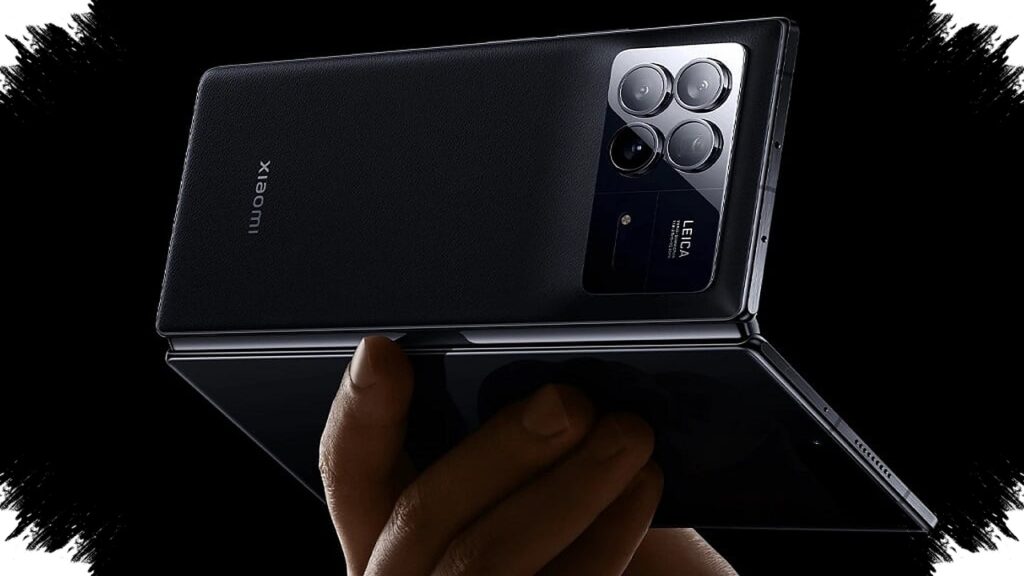
The possibility of a Xiaomi foldable comeback is gaining traction after a device listed internally as Xiaomi 17 Fold surfaced in Mi Code together with references to Xiaomi’s new in-house chip, Xring O3. The leak does not settle the final commercial name, but it does point to a premium horizontal foldable that Xiaomi appears to be actively preparing.
The internal trail has drawn attention because it connects more than one source. A device marked Q18 with the codename “Lhasa” has reportedly appeared in Mi Code, while the model number 2608BPX34C has also been tied to the same project through an IMEI database listing.
What the internal listings suggest
Mi Code is often watched as an early sign that a product is still in development. In this case, the presence of Q18 and “Lhasa” adds weight to the idea that Xiaomi is not just testing concepts, but building toward a real foldable release.
The IMEI record linked to 2608BPX34C strengthens that impression. When multiple internal references point to the same device, the rumor usually becomes harder to dismiss, even if Xiaomi itself has not acknowledged the product.
Xring O3 becomes the key detail
The most notable part of the leak is the mention of Xring O3. This chip is described as the successor to Xring O1, the processor previously used by the Xiaomi 15S Pro.
That detail matters because it suggests Xiaomi is continuing its broader push into in-house chip development. For a foldable phone, a proprietary chip can be especially important since the device has to balance performance, power efficiency, and stability inside a more complex hardware design.
No official technical specifications for Xring O3 have been shared. For now, the available information only indicates that the chip is expected to follow Xring O1 and is already being referenced alongside the new foldable project.
The name is still open
Even with the internal evidence, the final branding remains uncertain. Xiaomi 17 Fold is one of the names circulating, but the device could still arrive under the Mix Fold family instead.
That uncertainty makes sense because Xiaomi has not yet introduced a new horizontal foldable in the period covered by the report. As a result, the current clues are best treated as early development signs rather than confirmation of a final retail name.
The same report also notes that the launch timeline may have shifted. Earlier plans were said to face delay, although newer speculation points to a possible unveiling around early July. Xiaomi has not confirmed that timing.
Why the rumor matters for Xiaomi
If the device does reach the market, it would mark an important step back into the premium foldable segment. Phones in this category demand a thin structure, strong hinge quality, large-screen consistency, and high-end performance, leaving little room for compromise.
That is why the appearance of Xring O3 has become central to the discussion. The chip reference makes the rumor feel more substantial, because it points not only to a new foldable body, but also to Xiaomi’s wider effort to build premium devices around its own silicon.
The same report also mentions Xiaomi 17 Max for the China market. That model is said to feature a flat 6.73-inch 1.5K OLED display, Snapdragon 8 Elite Gen 5, up to 16GB of LPDDR5X RAM, and up to 1TB of UFS 4.1 storage.
It is also rumored to pack an around 8,000mAh battery with 100W wired charging and 50W wireless charging. Camera leaks point to a 50-megapixel front camera, plus a triple rear setup made up of a 200-megapixel Samsung HPE main sensor, a 50-megapixel ultrawide, and a 50-megapixel periscope telephoto.
Still, the focus remains on the Lhasa or Q18 device linked with Xring O3, since that combination offers the clearest sign that Xiaomi may be preparing a new foldable rather than merely maintaining old plans.