


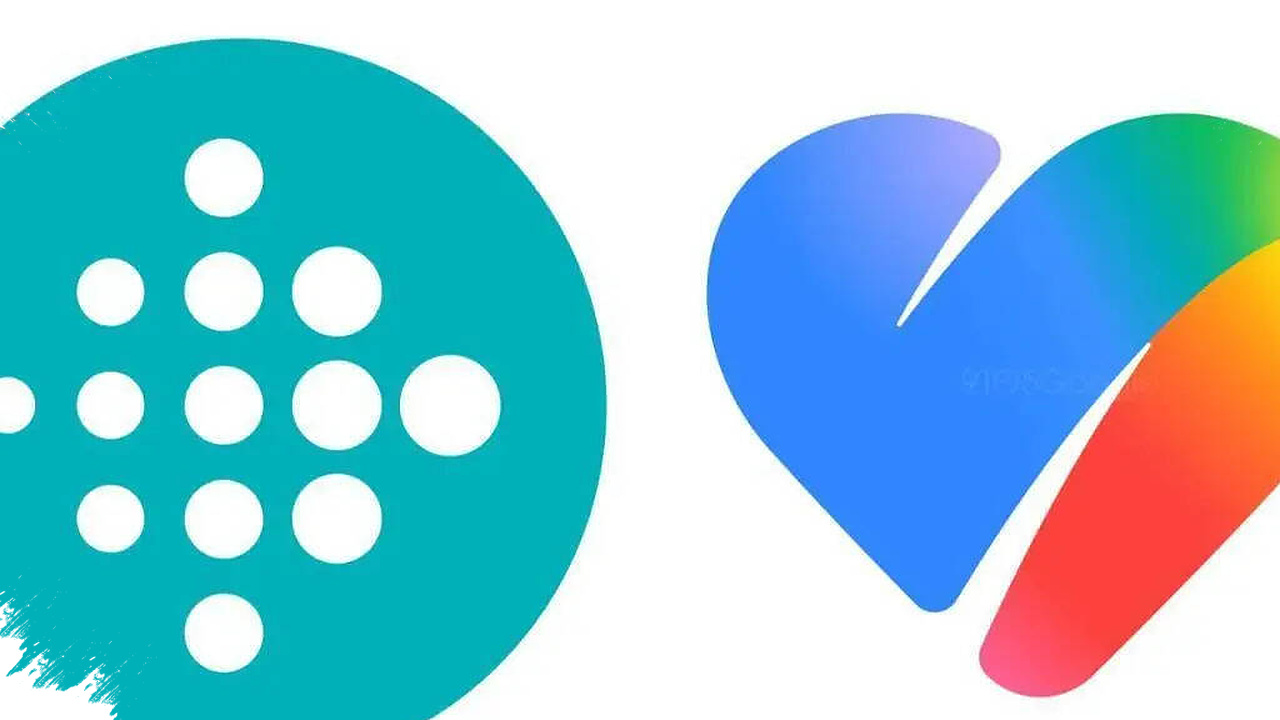
Google’s wearable strategy may be entering a new phase, and the latest clue comes from the Google Store itself. A checkout page for the Pixel Watch 4 has reportedly replaced Fitbit Premium with Google Health Premium, suggesting that a broader rebrand is beginning to take shape.
The change is notable because it does not appear to be a simple visual tweak. The subscription offer is still tied to the existing Fitbit Premium backend, which points to a deeper transition in branding rather than a new service built from scratch.
A new name appears in checkout
The first visible sign came from the international Google Store, where Android Authority spotted the updated wording during a review of the Pixel Watch 4 cart page. Instead of the familiar Fitbit Premium offer, the checkout experience now shows Google Health Premium.
That shift is accompanied by a new heart-shaped logo. The icon uses Google’s signature colors, with blue standing out the most, followed by green, yellow, and red.
The visual treatment matters because it places the health service closer to Google’s core brand identity. Rather than presenting health features as a Fitbit-first experience, the new design suggests a more direct connection to Google’s broader ecosystem.
Why this looks more than a display error
The fact that the offer still points to Fitbit Premium backend systems makes the change more meaningful. If the subscription were only being mislabeled on the surface, it would be less likely to retain its existing infrastructure underneath.
That detail supports the idea that Google is preparing a formal repositioning of the service. In practice, the company could be changing the name, the visual identity, and the way the product is presented to users, while the underlying subscription system remains in place.
The article that uncovered the change also mentioned signs of a higher annual package price. Even so, the final pricing has not been confirmed, so the clearest evidence right now is the branding update itself.
Fitbit may not disappear, but its role could change
The new naming does not necessarily mean Fitbit is being erased entirely. Industry sources cited in the reference article suggest that Google may still keep Fitbit as a hardware-focused brand.
That would fit the way Pixel Watch products already rely heavily on Fitbit’s backend. In that scenario, Fitbit would remain visible, but mainly as the identity behind physical devices rather than the main label for digital services.
Such a separation would let Google unify its health experience under one broader brand while preserving the recognition that Fitbit still carries. It would also align with a common pattern in tech, where hardware and software brands serve different roles.
What this means for long-time Fitbit users
For users who have relied on Fitbit Premium, the possible shift to Google Health Premium could feel substantial. Fitbit has long been associated with activity tracking, health scores, and subscription features built around wearables.
If the rebrand becomes official, product messaging would likely move away from Fitbit as the face of the service. Instead, the health offering would sit more clearly inside Google’s wider product ecosystem.
That may help Google create a more consistent visual and service structure across devices. At the same time, it could feel like the end of an era for users who have followed Fitbit for nearly 20 years.
More hardware clues may be coming
The reference article also points to another possibility: a product called Fitbit Air. It has been described as a possible Whoop competitor, although no official details have been revealed.
If that device materializes, it would strengthen the idea that Fitbit still has a future as a hardware name. In that case, the current changes would look less like a shutdown and more like a repositioning of Fitbit inside Google’s health strategy.
For now, the strongest evidence remains the Pixel Watch 4 checkout change, the new heart logo, and the continued link to Fitbit Premium systems. Together, they suggest that Google is quietly reshaping how Fitbit appears inside its health ecosystem.