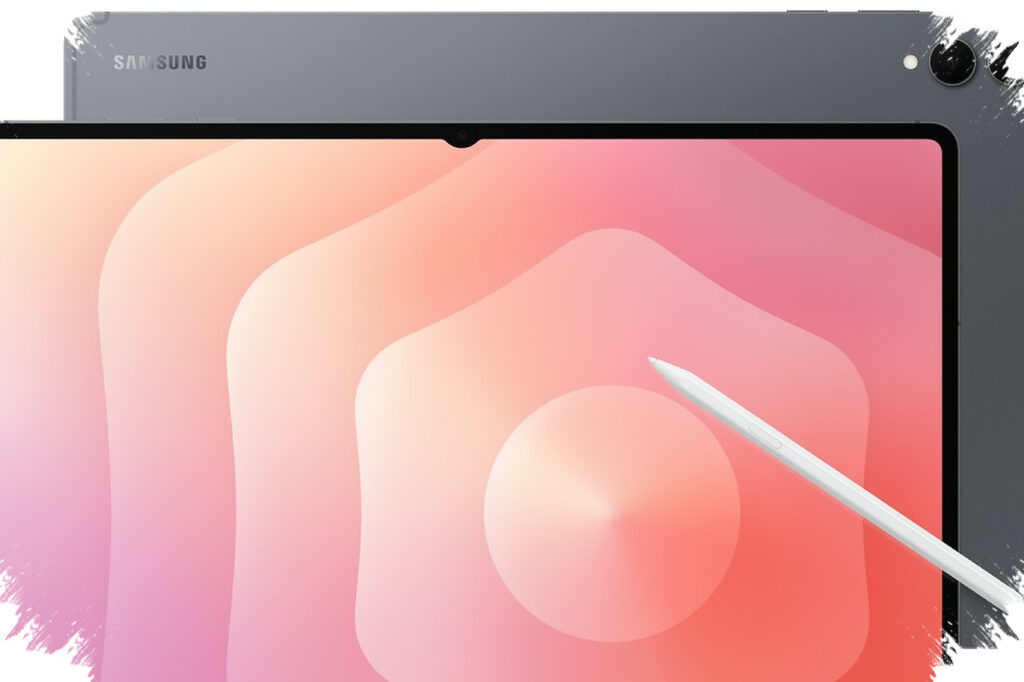
Samsung’s move to extend AMOLED across the Galaxy Tab S lineup changes how the series is positioned in the premium tablet market. Features that were once closely tied to the Ultra model are now available on more affordable variants, giving more users access to a display experience that feels noticeably higher-end.
That shift matters because the screen is often the first feature people notice on a tablet. For viewing video, reading, working, and consuming visual content, display quality can influence buying decisions before other specifications even come into play.
AMOLED is no longer reserved for the top model
The key development is the spread of Dynamic AMOLED 2X beyond the Ultra tier. In the Galaxy Tab S family, the technology is now present across the lineup, including the lower-priced models that previously relied on a more conventional display approach.
This broadens the appeal of the series in a meaningful way. Buyers no longer need to choose the most expensive version just to get the visual advantages of an AMOLED panel, and that makes the Galaxy Tab S range easier to approach for a wider audience.
A brighter screen becomes part of the value
One of the strongest points of the AMOLED panels in this lineup is brightness. The standard model is said to reach a peak of 1,600 nits, which is high for a tablet and useful in bright environments.
That level of brightness helps when the device is used outdoors or in spaces with strong lighting. It also supports HDR content better, since details remain visible even when the screen faces difficult light conditions.
Why the cheaper models now feel more premium
The inclusion of AMOLED on more affordable versions changes the perception of the product itself. A tablet with a lighter price tag can now deliver a more premium feel through the display, not only through design or branding.
This is especially relevant for users who want a portable device for everyday use. Students, mobile workers, and people who travel often can now get a more comfortable viewing experience without moving up to the Ultra model.
Samsung still keeps differences between variants through other hardware choices. Screen size, battery capacity, and chipset support remain the main factors separating one Galaxy Tab S model from another.
The Ultra still holds the top position
Even with a more consistent display experience across the lineup, the Ultra remains the most advanced option. Its 14.6-inch screen and adaptive refresh rate of up to 120Hz make it better suited for creative professionals who need a larger working area and smoother motion.
Smaller models still have their own strengths. Their more compact form makes them easier to carry, while the premium display helps them stand out for both entertainment and productivity.
The chipset also remains a dividing line in the family. Reference material points to Snapdragon 8 Gen 5 or Dimensity 9500+ as important differentiators alongside screen size and battery capacity.
A sharper position in the Android tablet market
By bringing AMOLED to the full Galaxy Tab S range, Samsung appears to be protecting its advantage in the Android tablet segment. In a category where many rivals still rely heavily on LCD, consistent premium display quality can be a difficult feature to match.
The strategy also gives consumers more flexibility. They can choose based on size, power, and battery endurance while still keeping the visual quality that was once limited to the highest-end model.
That makes the Galaxy Tab S lineup feel more balanced across its different tiers. Samsung has turned the display into a shared strength, while still leaving enough room for the Ultra and other models to separate themselves through size, battery, and platform choices.