A new approach to health monitoring is taking shape in the form of battery-free smart clothing that can track blood pressure in real time. Developed by researchers at the National University of Singapore, the system uses a smartphone as both the power source and the data-processing hub.
The concept moves beyond the usual model of health wearables such as smartwatches or wristbands. Instead, an ultra-thin sensor is placed directly on the skin through a specially designed fabric, allowing the clothing itself to take part in continuous monitoring while it is being worn.
How the system works
The core of the technology is a flexible sensor built to follow the body’s motion without creating discomfort. Because it sits close to the skin and adapts to movement, the sensor is designed to keep functioning during everyday activity rather than only under controlled conditions.
Power does not come from a built-in battery. Instead, the smart fabric uses metamaterial-based components to receive wireless power from a nearby smartphone, which also handles the data. That arrangement turns the phone into more than a companion device, since it serves as the system’s energy source and processing center.
The design also separates power transmission and data communication into different frequencies. That separation helps reduce interference, supports stable signals, and makes continuous monitoring more feasible.
Focus on systolic blood pressure
The technology is aimed at measuring systolic blood pressure, the pressure in the arteries when the heart pumps blood. In early testing, the system was reported to track data accurately even while a person was exercising.
That detail matters because movement often makes wearable health devices less reliable. A fabric-based system that can keep working during physical activity may offer a more practical way to monitor blood pressure over time and help identify cardiovascular issues earlier.
Blood pressure does not remain constant throughout the day, so continuous observation can provide a more realistic picture of the body’s condition. A device that continues to function during activity may capture changes that are harder to detect with occasional measurements.
Clothing as part of the sensor network
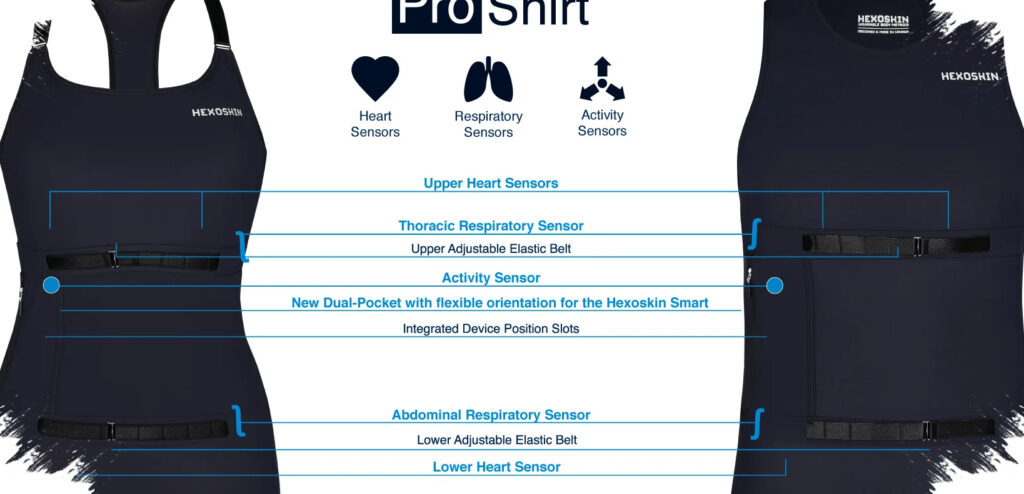
The textile layer does more than hold the sensor in place. It also acts as the connection point that links multiple sensing elements into a single network.
This setup allows the system to gather information from the relevant body area without requiring separate devices at multiple points. For daily use, that can feel less intrusive than conventional wearables that depend on additional hardware attached to the wrist or elsewhere.
It also makes the technology more deeply integrated into clothing rather than treated as an accessory. The monitoring function becomes part of the garment itself, which could make it easier to wear in ordinary routines.
Why the research stands out
The work has been described in a scientific paper in Nature Electronics and also reported by Tech Xplore. Those references indicate that the development is being examined as a technical research effort rather than presented as a simple concept.
The broader direction is clear: wearable health monitoring is gradually shifting from separate devices attached to the body toward garments that can operate as active sensing systems. If development continues, battery-free smart clothing like this could become a practical option for real-time blood pressure monitoring with the phone at the center of the system.