Xiaomi’s business is moving in two very different directions at once. Its smartphone operation is losing momentum, while electric vehicles have emerged as the company’s clearest source of growth.
That split is visible in the latest quarterly results. Xiaomi still posted revenue growth of 7.3% to 116.9 billion yuan, or US$17 billion, but that pace was the slowest since 2023 and underscored how much pressure is building on its main business.
Smartphones face weaker demand and tighter supply
The sharpest strain remains in Xiaomi’s phone division, which has long been the company’s core revenue engine. Smartphone shipments fell 11.5% in the same quarter, even as the broader market grew by more than 2% according to IDC.
That gap suggests Xiaomi is dealing with more than just a softer global market. The company is also facing internal supply-chain constraints, including a limited supply of memory chips, while consumer demand has not been strong enough to offset the pressure.
IDC’s forecast adds another layer of concern. The research firm expects the global smartphone market to shrink 12.9% this year, a sign that Xiaomi’s slowdown is part of a wider industry problem rather than an isolated case.
Higher costs could force a price increase
Rising component costs are adding more pressure to the handset business. Xiaomi President Lu Weibing said the company may raise smartphone prices as memory chip costs continue to climb and weigh on production expenses.
That creates a difficult balance for the company. If prices rise, Xiaomi risks making its phones less competitive in a market where consumers are highly sensitive to value. If prices stay low, margins may remain under pressure while costs continue to rise.
The issue matters especially because smartphones remain Xiaomi’s best-known product line. A slower market, tighter supply, and higher input costs together leave less room for aggressive growth.
EVs are becoming the new growth driver
While the phone business is slowing, Xiaomi’s electric vehicle segment is moving in the opposite direction. The company delivered 145,115 cars in the same period, more than double the number from a year earlier.
A key boost came from the SUV launched last summer, which helped drive the stronger delivery performance. Xiaomi also reported more than 50,000 EV deliveries in December, its highest monthly total so far.
The segment is no longer just a strategic bet. Xiaomi’s EV division recorded a profit of 1.1 billion yuan and continued building on the momentum from its first-ever quarterly profit in the previous period.
A difficult market, even for a fast-growing EV unit
The EV business is expanding, but it is still operating in a tough environment. China’s electric car sector remains locked in price competition because of excess supply and a slower economy.
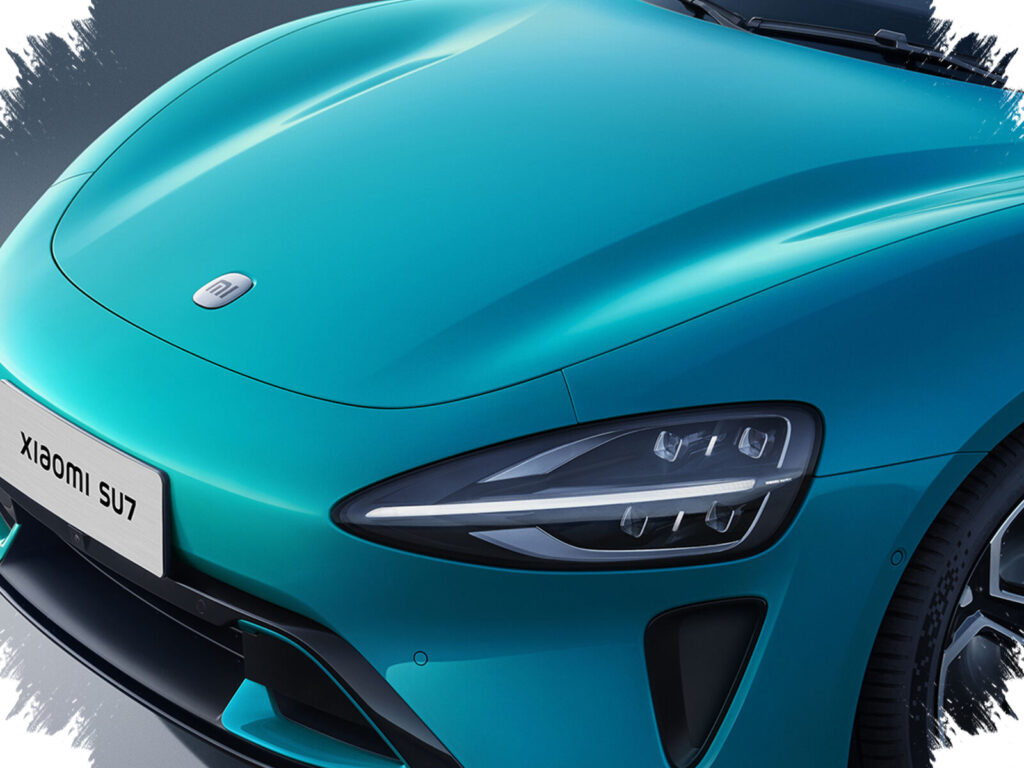
At the same time, chip and battery material costs have increased, while government support through purchase subsidies is being reduced. Against that backdrop, Xiaomi raised prices on its latest SU7 sedan model by 2% compared with the previous generation.
That move shows the company is also feeling the pressure to protect efficiency in its car line. Even so, delivery growth and profitability have made EVs a crucial buffer while smartphones remain under strain.
Diversification is becoming more important
Xiaomi’s latest performance highlights why diversification is no longer optional for the company. Reliance on smartphones is harder to sustain when shipments are falling, memory supply is tight, and pricing power is limited.
Lei Jun has set a target of 550,000 vehicle deliveries in 2026, up 34% from last year’s sales of 410,000 units. Xiaomi is also preparing for expansion beyond its home market, with plans to enter Europe with car sales starting in 2027, while continuing to develop AI agents and robotics.