


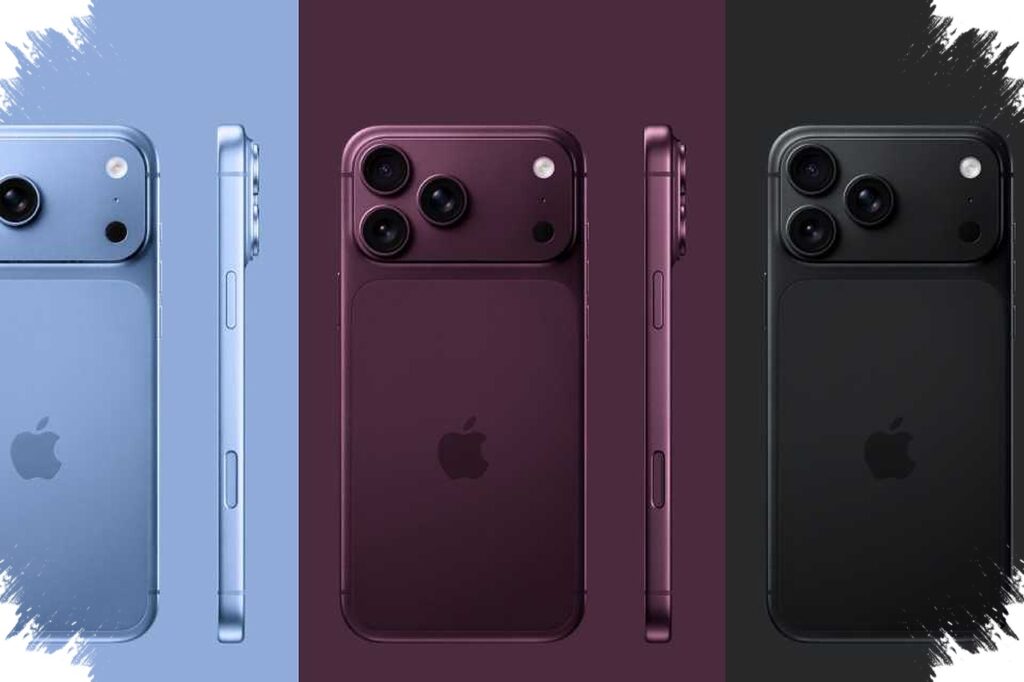
Apple’s next iPhone cycle may look less uniform than before, with the standard iPhone 18 reportedly facing cuts to keep production costs under control. The latest chatter suggests the company is weighing changes that could make the base model more restrained, even as the premium lineup remains more fully featured.
The pressure behind that shift appears to come from rising component costs, especially memory. In that environment, Apple is said to be looking for ways to protect margins without pushing the mainstream model too close to the pricing level of the Pro line.
A split launch schedule is being considered
According to tipster Fixed Focus Digital, Apple is exploring a different release rhythm for the iPhone 18 family. Under that plan, the regular iPhone 18 and the iPhone 18e would arrive in spring 2027, while September would be reserved for higher-end options such as the iPhone 18 Pro, iPhone 18 Pro Max, and possibly a foldable model or an “Ultra” variant.
If that schedule becomes reality, it would mark a notable change in how Apple introduces its phones. The company would be separating its entry-level and premium models more clearly, both in timing and in positioning.
The base model may lose some familiar features
One of the more striking claims in the leak is that the standard iPhone 18 could give up several features used to distinguish it from Pro models. A dedicated camera button is mentioned as one feature that may remain exclusive to the Pro lineup.
The chipset in the base model could also be toned down slightly. One possibility raised in the rumor is a reduction in GPU cores, which would widen the performance gap between the standard device and the premium versions.
Other features that are not certain for the non-Pro iPhone 18 include an upgraded front camera and faster wireless charging. If those omissions happen, the base model would look noticeably simpler than the generation before it.
Apple appears to be narrowing the gap between its non-Pro tiers
The reported strategy also points to a closer relationship between the iPhone 18 regular model and the iPhone “e” line in terms of hardware and manufacturing. That would give Apple another lever for controlling costs while keeping the base device within reach of more buyers.
The pressure from DRAM prices seems to be a central reason for the adjustment. With memory costs rising, Apple may be trying to avoid a more aggressive price increase by trimming features instead.
The contrast with the current generation is already clear
For comparison, the iPhone 17 still separates itself from the iPhone 17e through features such as a 120Hz OLED panel, an additional ultra-wide camera, and Dynamic Island. Those differences already make the two models easy to tell apart.
If the iPhone 18 rumors prove accurate, the boundary between the standard and Pro versions could become even more pronounced. That would leave the premium models with a stronger sense of exclusivity, while the base model would serve more clearly as the lower-cost entry point.
The strategy could protect margins, but it comes with trade-offs
From Apple’s perspective, limiting features in the non-Pro lineup can help keep costs in check without putting the premium range under the same pressure. It also preserves a clearer reason for buyers to move up to the Pro models.
Still, the approach is not without risk. If the reductions are seen as minor, consumers may accept them, but changes to core performance could draw a more critical response.
For now, the information remains a rumor and has not been confirmed by Apple. Even so, the direction of the leaks suggests the company is preparing for a more cost-conscious iPhone strategy, with the standard model potentially becoming simpler while the Pro tier is kept firmly at the top of the lineup.