


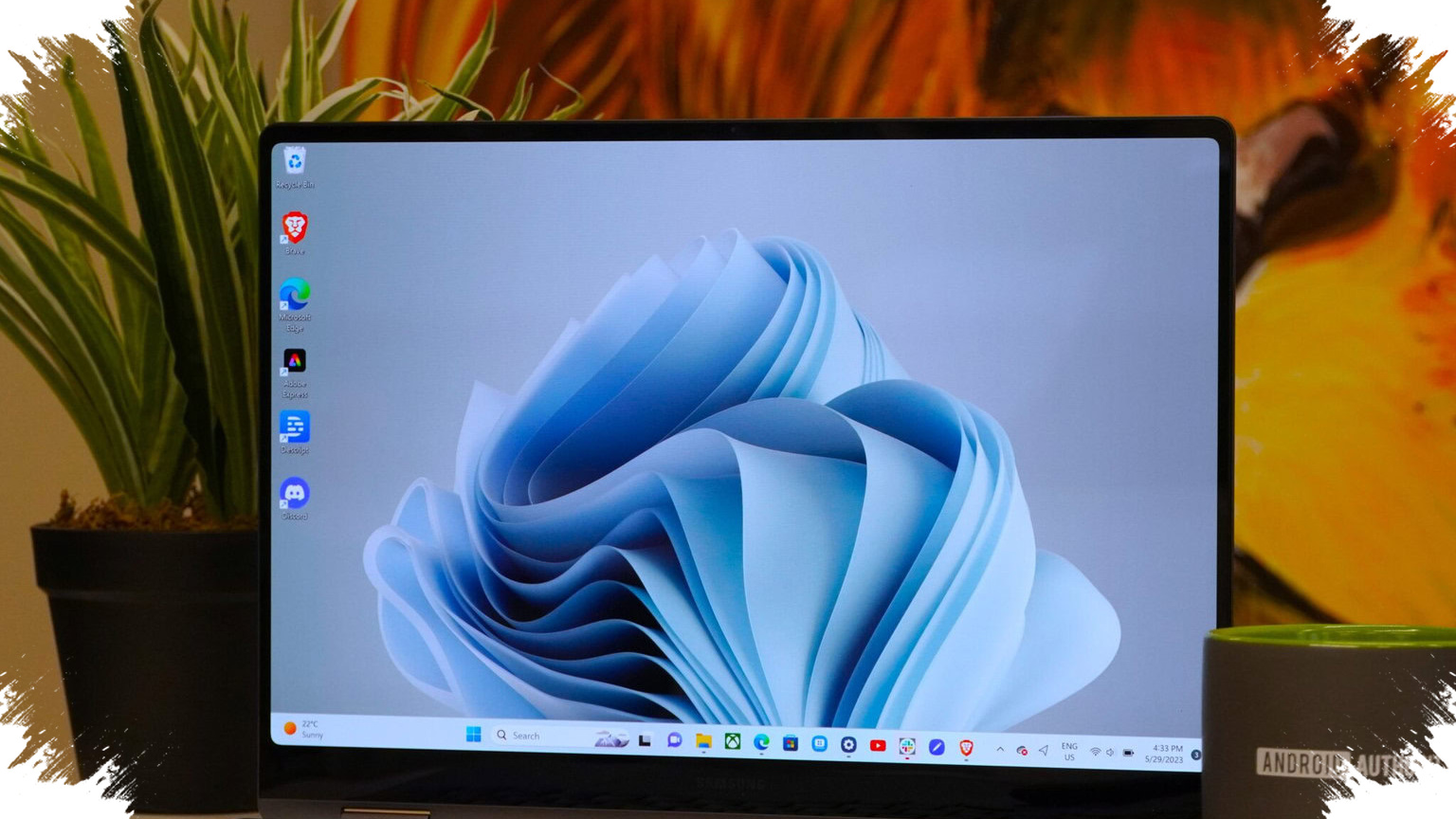
Samsung’s next Galaxy Book may mark one of the clearest shifts yet in the company’s computing strategy. Instead of relying entirely on Windows, the laptop line is reportedly being prepared for Android with One UI, a move that would bring Samsung’s broader Galaxy ecosystem much closer together.
That direction would matter far beyond a simple software change. If it happens, Samsung could introduce a new kind of laptop experience built around Android, while also challenging the long-standing dominance of traditional desktop operating systems in the notebook market.
Three tiers are said to be in development
The reported Android-based Galaxy Book lineup is said to include three versions, covering entry-level, midrange, and flagship segments. That approach would keep the product family segmented in a way that resembles Samsung’s current Galaxy Book structure.
The existing lineup already uses clear class distinctions, including Ultra, Pro, and standard models. Samsung appears to be aiming for continuity in product positioning even as it opens the door to a different operating system.
Flagship model could push a more premium design
Among the rumored models, the top-tier version is expected to receive the most attention. Samsung is said to be preparing a thinner and more premium design for the flagship, with an eye on competition from Apple’s MacBook Neo.
That premium direction would likely help Samsung frame the device as more than a simple experiment with Android on laptops. It would place the model in a space where design, portability, and ecosystem integration all matter as much as raw hardware.
One UI 9 and Android 17 are part of the plan
The laptop is reportedly set to run One UI 9 on top of Android 17. If accurate, that would give the device a software foundation tied closely to the same branding Samsung already uses across phones, tablets, and wearables.
Samsung is also said to be preparing Galaxy AI features for the new model. That would align the laptop with the company’s wider push to make artificial intelligence a key selling point across its device portfolio.
DeX may become a more central piece of the experience
The changes are not expected to stop at the interface. One UI 9 on the laptop is also said to bring major improvements to Samsung DeX, including better multitasking and smoother cross-device integration within the Galaxy ecosystem.
That matters because DeX has long served as one of Samsung’s strongest ideas for linking mobile and desktop-style use. A stronger DeX implementation on an Android laptop could make the bridge between phone, tablet, smartwatch, and notebook feel more seamless.
Google’s own plans point in the same direction
Samsung’s reported move comes as Google is also building new momentum around Android for larger screens. Google is said to be hiring for a project called Aluminium OS, an Android-based operating system designed for laptops and desktops with AI support.
Aluminium OS is described as a potential successor to ChromeOS, although it has not been officially announced to the public. Together with Samsung’s rumored plans, the project suggests that Android may be moving deeper into the world of full-size computing devices.
For Samsung, that would create a new path to extend the Galaxy ecosystem beyond phones and tablets. It would also serve as a major test of whether Android can compete more seriously in the laptop category, especially if the project is still being aimed at a launch late in 2026.