


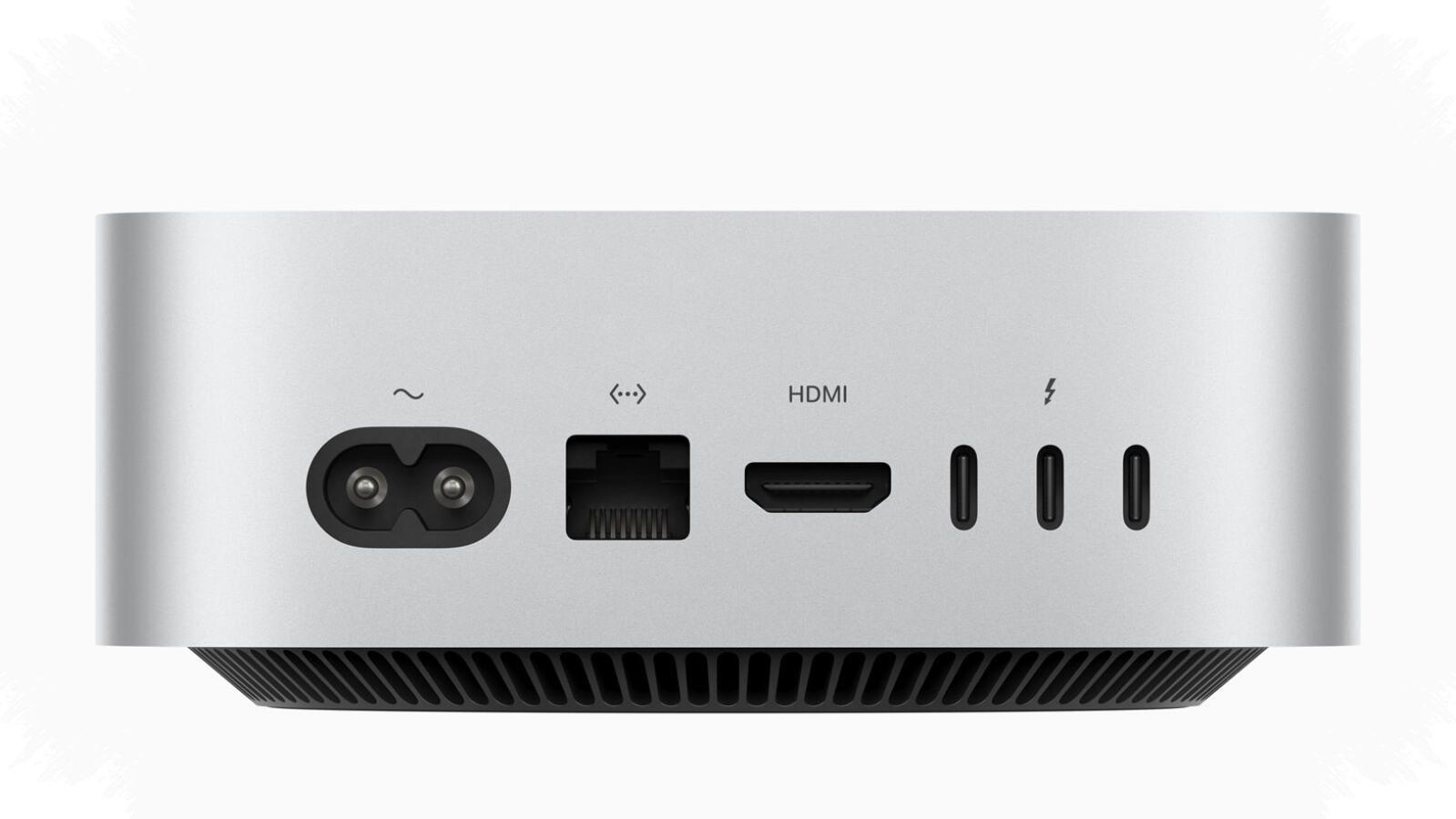
Apple’s most affordable Mac mini M4 configuration has quietly disappeared from the company’s online store, leaving new buyers with a much higher starting point. The change comes as demand for compact Macs has surged, especially from people looking to run AI workloads locally.
The missing model was the 16GB RAM and 256GB storage version priced at USD 599. With that option gone, the cheapest Mac mini M4 still available starts at USD 799 for the 512GB configuration, even though Apple has not raised the price of that model itself.
A tighter lineup and longer waits
Availability has become thin across nearly the entire Mac mini M4 range. In some cases, delivery estimates for the models that can still be ordered have slipped into the second or third week of June.
The shortage is even more severe for the 32GB RAM variants. Apple’s website reportedly shows all Mac mini M4 configurations with that memory amount as unavailable, with shipping times stretching to 10 to 12 weeks.
For new customers, the practical effect is straightforward: the entry cost has moved up. The most affordable path into Mac mini M4 ownership no longer exists in Apple’s store, so buyers must begin with a more expensive configuration.
AI demand is reshaping the market
The rise in interest is tied to local AI use. The Mac mini has become popular as a compact machine for running large language models on-device, and it is also being used for AI agent services, including OpenClaw.
Tim Cook said demand for the Mac mini and Mac Studio is moving faster than Apple expected internally. He described both products as highly sought-after platforms for AI and agentic services, and said Apple expects it will take several months before supply and demand return to balance.
That faster-than-expected adoption matters because it is not just a software trend. It is now affecting which hardware configurations remain available to everyday buyers.
Production pressure is adding to the shortage
Component constraints are also contributing to the problem. Limited supply of supporting parts such as memory and storage is making it harder for Apple to keep inventory steady, especially for the configurations drawing the most attention.
That pressure is visible in the store itself and in the growing delivery delays. Even without any official price increase on the remaining 512GB model, the disappearance of the lowest-cost version changes the financial entry point for anyone wanting to buy a Mac mini M4 now.
The result is a market where the cheapest option has vanished, higher-priced models are becoming the default, and the impact of local AI demand is starting to show up in consumer hardware availability.