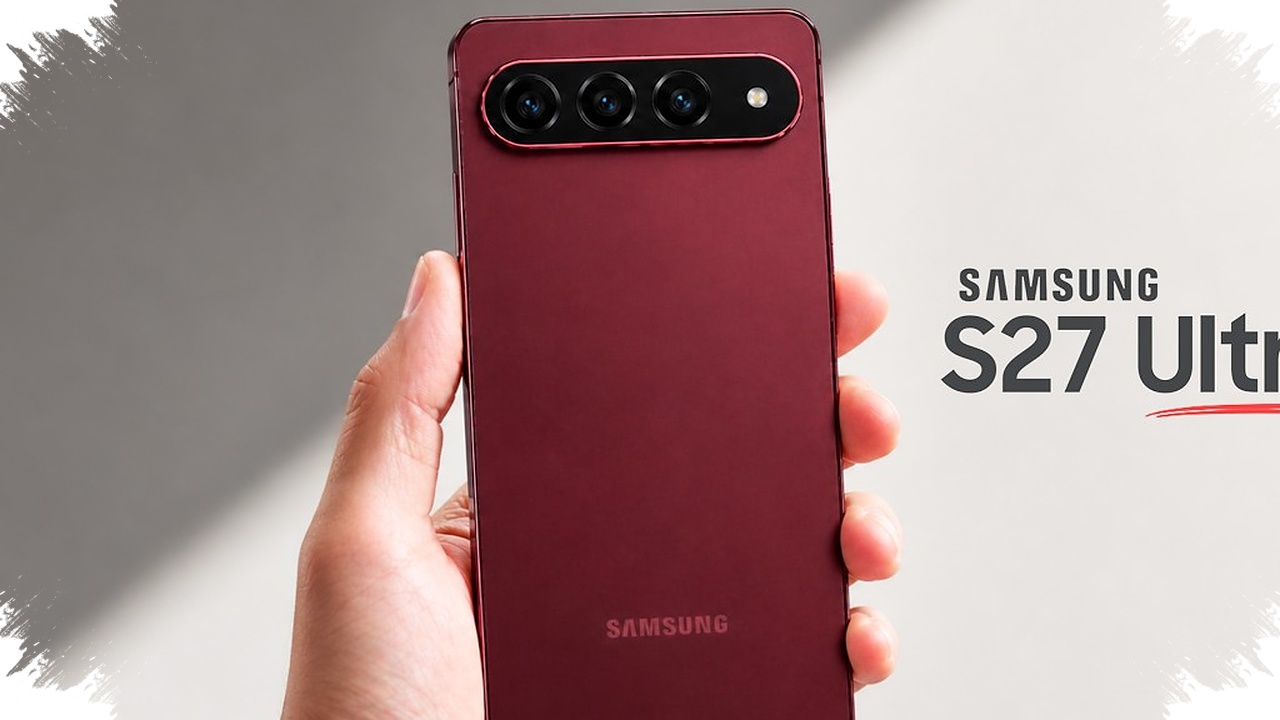
Samsung’s next flagship could end up looking different for a reason that goes beyond appearance. A new rumor from Korea says the company is weighing a major rear-design revision for the Galaxy S27 so it can fit integrated Qi2 magnets inside the phone.
That detail matters because the magnet system is the key to magnetic accessories in the Qi2 ecosystem. If Samsung moves ahead with the plan, the Galaxy S27 could work with magnetic add-ons in a more direct way, without relying on a separate case.
A design change tied to Qi2
The reported redesign is not being discussed as a simple visual refresh. The camera layout is said to need reshaping so there is enough room on the back for the magnet component required by Qi2.
For a slab-style Samsung flagship, that would mean the rear camera arrangement becomes part of the engineering solution, not just the phone’s styling. The move would also bring Samsung closer to a magnetic accessory experience that has long been associated with iPhone devices.
Why the magnet support matters
Qi2 is a wireless charging standard that adds magnetic support for accessories. In the Android world, Google is currently the only brand that has adopted that magnet system in its devices.
Apple introduced a similar idea earlier through the iPhone lineup, helping make magnetic accessories a familiar part of its ecosystem. Samsung’s adoption of built-in magnets would therefore mark a notable step for its own flagship lineup.
That shift would not only affect charging and accessory compatibility. It could also change how Samsung positions its premium phones in everyday use, especially for buyers who want magnetic accessories without extra cases.
Nothing is finalized yet
Even so, the Galaxy S27 is not confirmed to receive this upgrade. The same report suggests Samsung could delay the project because cost is a concern.
In that scenario, the integrated magnet feature may not arrive until the Galaxy S28 family instead. The final decision is said to depend on how RAM and storage prices move over the next few months.
That makes the current Galaxy S27 rumor still fluid. Samsung appears to have a design and ecosystem reason to make the change, but production costs may ultimately decide the timing.
What it could mean for Samsung’s flagship line
Samsung has kept a relatively consistent camera arrangement across its flagship phones for years. If this rumor proves accurate, the Galaxy S27 would represent one of the company’s biggest design revisions in a long time.
The exact shape of the new camera island has not been revealed. What has emerged is the idea that repositioning the cameras may be necessary to make room for Qi2 magnets on the back of the device.
For users, the payoff would be straightforward. The Galaxy S27 could open the door to built-in magnetic accessory support and move Samsung closer to the kind of experience that has been more closely tied to iPhone devices.
Source: telset.id-

-

-

-