


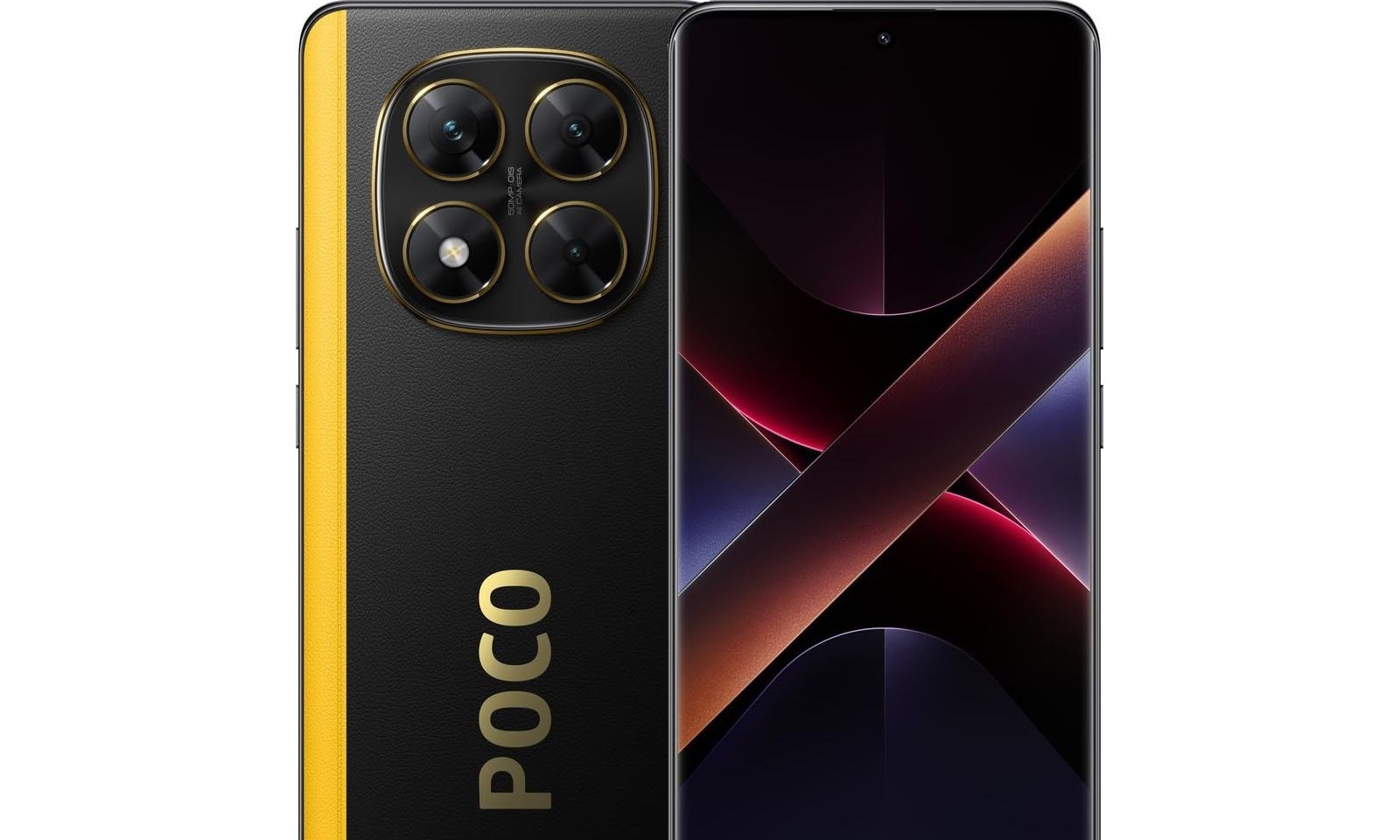
A smartphone is increasingly being judged by how much work it can absorb without forcing users back to a laptop, and POCO F7 Pro has entered that conversation with unusual force. Its appeal now extends beyond mobile gaming, because its flagship-grade hardware is being positioned as capable of handling many everyday tasks that once felt reserved for an entry-level notebook.
That shift comes from a combination of Snapdragon 8 Gen 3, generous memory, and fast storage. Together, those components help the device stay responsive when multitasking, switching between work apps, entertainment, and light content creation.
Built for heavy multitasking
At the center of POCO F7 Pro is Snapdragon 8 Gen 3 with 4nm fabrication and the latest Adreno GPU. The chip setup is paired with 12GB LPDDR5X RAM and up to 512GB of UFS 4.1 storage, which speeds up reading and writing data.
In practical use, that means smoother transitions between apps, quicker access to cloud documents, and less friction when several productivity tasks run at the same time. The device is therefore being viewed as more than a gaming phone, especially by users who need a fast handset for work and media on the move.
Display and connectivity aimed at mobile work
The 6.67-inch WQHD+ Flow AMOLED panel with a 120Hz refresh rate gives POCO F7 Pro enough screen room for everyday work and entertainment. That display setup makes online meetings, document reading, and light editing more comfortable on a mobile device.
Support for Wi-Fi 7, Bluetooth 5.4, NFC, and 5G adds to that flexible usage profile. HyperOS 2 based on Android 15 also reinforces the phone’s role as a modern all-round device rather than a model focused only on gaming performance.
Content creation and battery life add to the appeal
POCO F7 Pro also includes a 50MP main camera with the Light Fusion 800 sensor and OIS. The rear camera supports video recording up to 8K, and it also offers a video teleprompter feature that is increasingly relevant for short-form creators.
On the front, the phone carries a 20MP camera for video calls and selfies. A 6000mAh battery and 90W HyperCharge give the device a practical edge for users who move between locations and do not want to rely on frequent charging.
Attention has moved beyond the gaming crowd
Tech testers and user communities have highlighted the phone’s stable performance in gaming and multitasking. In official Indonesian unit gaming tests uploaded by a technology YouTube channel, the device was shown handling popular games with high frame rates and steady performance.
Qualcomm’s AI engine also supports the device’s broader productivity direction. That combination has pushed the target audience beyond gamers and toward mobile content creators, remote workers, students, and digital SMEs that need a fast, practical tool without always depending on a laptop.
Where the limits still remain
The idea of a smartphone replacing part of an entry-level laptop’s role is becoming stronger as flagship Android chipsets handle more light to mid-level computing tasks. Even so, POCO F7 Pro is not a full substitute for professional workloads that demand desktop-class power.
Reddit community discussions have pointed to possible throttling during prolonged heavy use, although some users remain satisfied with gaming performance and battery endurance. That makes the phone better suited to daily mobile multitasking than to large-scale video editing or desktop rendering.
| Main specification | Detail |
|---|---|
| Chipset | Snapdragon 8 Gen 3 |
| RAM | 12GB LPDDR5X |
| Storage | 256GB / 512GB UFS 4.1 |
| Display | 6.67-inch WQHD+ AMOLED 120Hz |
| Rear camera | 50MP + 8MP ultrawide |
| Front camera | 20MP |
| Battery | 6000mAh |
| Fast charging | 90W HyperCharge |
| Operating system | HyperOS 2 based on Android 15 |
| Connectivity | Wi-Fi 7, NFC, Bluetooth 5.4, 5G |
| Price in Indonesia | Starting from around Rp7,4 jutaan for the 12GB/256GB variant |
At that price point, POCO F7 Pro lands in a market where buyers increasingly want one device that can move between work, entertainment, and light creation without slowing down. Its mix of flagship performance, a large battery, and productivity-friendly features makes it one of the more aggressive smartphone options in the 2026 landscape.