


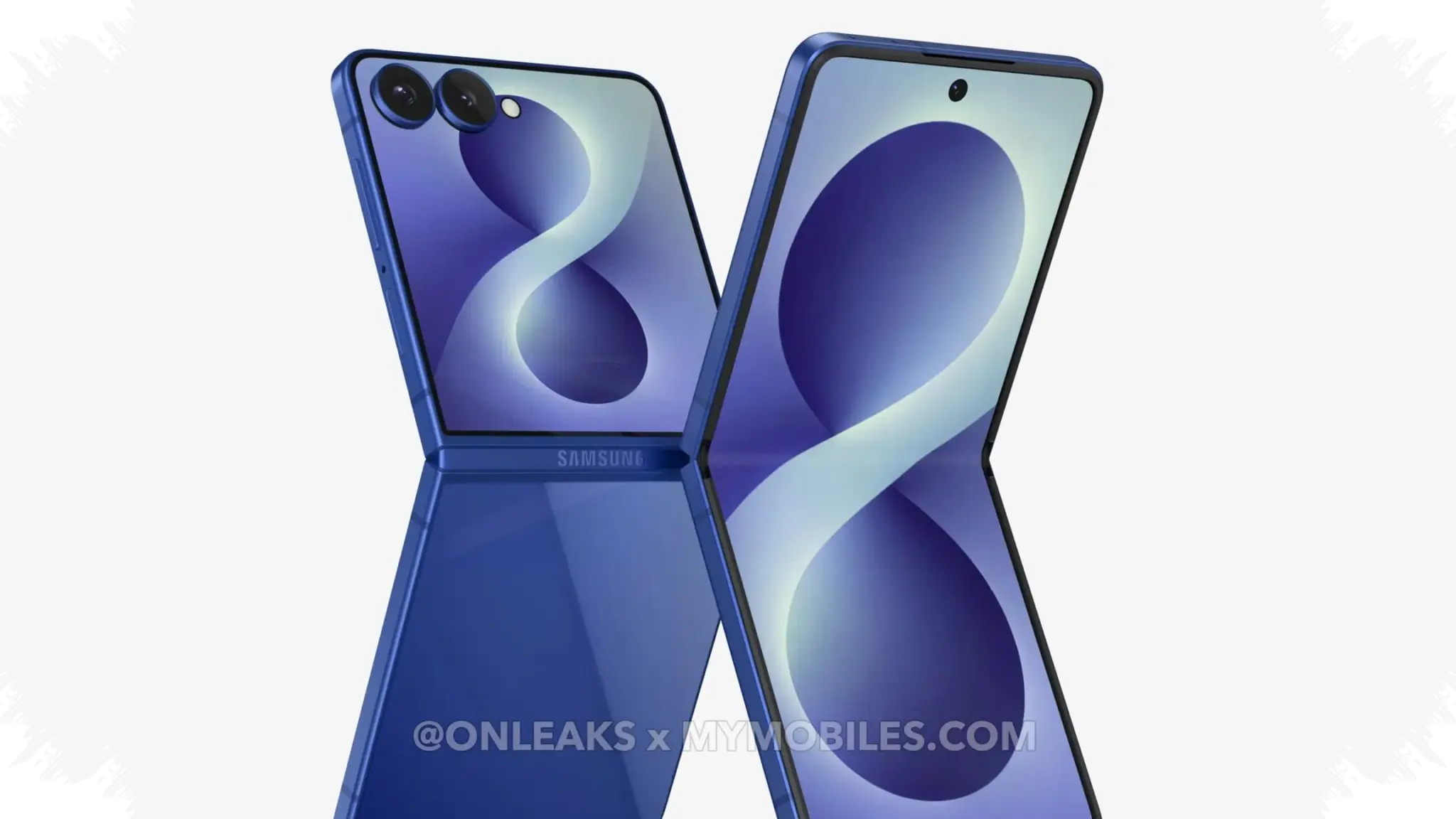
Samsung may be setting up a clearer divide between its Fold and Flip foldables, and the chipset choice could become the key difference. The Galaxy Z Flip 8 is now being linked to a region-based mix of Snapdragon and Exynos, while the Fold line appears headed for a more uniform premium setup.
The latest claim comes from tipster Erencan Yılmaz on X, who said the detail was uncovered through an analysis of Samsung’s source code. The internal plan reportedly covers the Galaxy Z Fold 8, Galaxy Z Flip 8, and Galaxy Z Fold 8 Wide, suggesting Samsung is preparing a more deliberate split across its next foldable lineup.
A sharper product hierarchy
If the leak is accurate, Samsung is no longer separating its foldables only by design, size, or form factor. Chip selection would become a more visible line between the book-style Fold devices and the clamshell Flip model.
The reported configuration points to Galaxy Z Fold 8 and Galaxy Z Fold 8 Wide using Snapdragon 8 Elite Gen 5. In contrast, Galaxy Z Flip 8 is said to have two chipset options depending on the region where it is sold.
That would place the Fold family in a more straightforward premium position. It would also give the Flip line a different identity, with a stronger emphasis on efficiency and sustained performance rather than raw power alone.
Exynos 2600 enters the picture
The chipset most closely associated with Galaxy Z Flip 8 is Exynos 2600. The leak suggests Samsung may pair it with another Snapdragon chipset for different markets, making the Flip 8 the most likely model to receive a split configuration.
Exynos 2600 is notable because it is described as the world’s first 2nm mobile processor. Samsung also introduced it with Heat Path Block, or HPB, an integrated cooling solution at the SoC level.
That combination helps explain why the chipset is being linked to a compact foldable like the Flip 8. A device with limited internal space needs careful thermal management, and that makes the efficiency angle more relevant than ever.
For Samsung, this could also help separate the Flip from the Fold in a more meaningful way. The Fold range would stay focused on top-end performance, while the Flip could be positioned around balanced power use and thermal control.
Not a new strategy for Samsung
Using different chipsets across the same product family is not unfamiliar territory for Samsung. The company has done something similar with its Galaxy S lineup, where different markets have received different processor versions.
Galaxy S24 is said to have been the last smartphone launched with a combination of Exynos and Snapdragon depending on region. If Galaxy Z Flip 8 follows a similar pattern, the move would look like an extension of that approach, only now applied to foldables.
That shift matters because foldable buyers have often focused on hinges, displays, and overall design. A region-based chipset split would add another major factor to the buying decision.
Still waiting on official confirmation
For now, the information remains a leak, and Samsung has not confirmed any change in its foldable strategy. The company’s next-generation lineup has already been the subject of several rumors, including attention on Galaxy Z Fold 8, Galaxy Z Fold 8 Wide, and even dummy units tied to Galaxy Z Flip 7.
The devices are said to be introduced at an Unpacked event in July 2026. Until then, the question of whether Samsung is truly preparing a broader Exynos role for the Flip line will remain open.