
Android 17 is shaping up to be more than a routine platform update, especially for people who create content on their phones. Google is pushing a set of changes that aim to make Android a stronger place for shooting, editing, and uploading photos and videos without losing quality along the way.
The clearest signal comes from Instagram on Android, which is getting a major refresh through work with Meta. Google says the goal is to improve the entire workflow, from capture to upload, so flagship Android phones can produce results that hold up better against competing platforms.
Instagram gets a stronger imaging pipeline
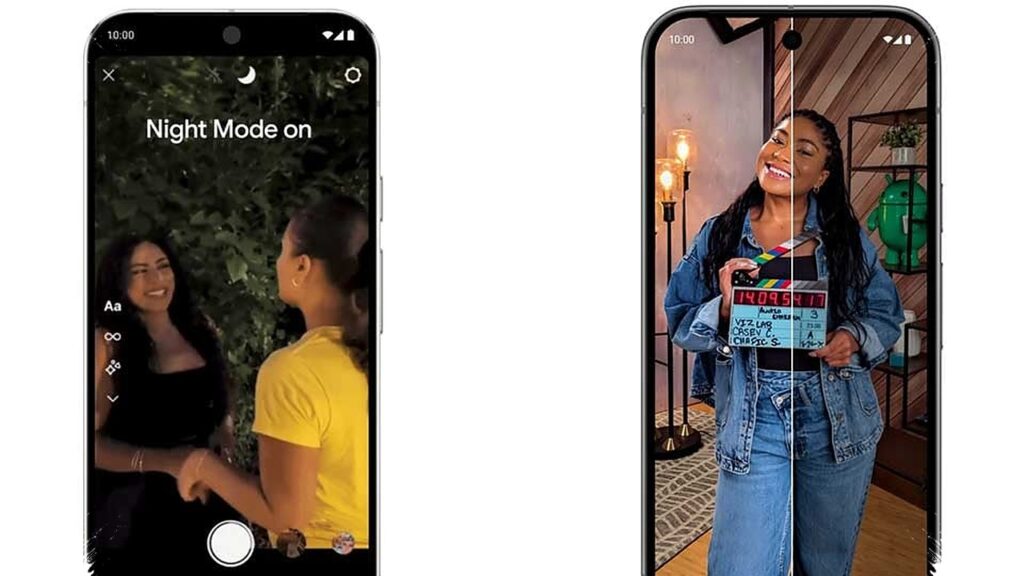
The changes for Instagram on Android are not limited to one feature. Google says the app will support Ultra HDR photos, improved video stabilization, and Night Sight integration, all of which are meant to help content look better in more situations.
Those upgrades matter most in difficult lighting and when the camera is in motion. Google is also improving the capture-to-upload path on Android 17, with the aim of preserving image and video quality as much as possible before posts reach the platform.
That effort is especially important because social apps often compress media during processing. For creators, that can mean the final upload looks weaker than the original file, so the new work is designed to reduce that drop in quality.
Flagship phones get first access
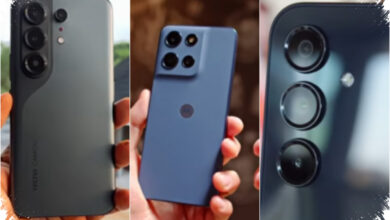
Google says the first wave of these Instagram improvements will arrive on flagship Android devices. The rollout starts with the latest Pixel series and the latest Samsung Galaxy smartphones.
That focus suggests Google is targeting the devices most likely to be used for high-end mobile content production. It also points to Android 17 being positioned as a more creator-friendly platform, not just an everyday operating system.
New tools for reactions and editing
Another notable addition is Screen Reactions, which lets screen recording and the front camera run at the same time. That makes it easier to show a live reaction to whatever appears on the display.
Google is aiming that feature at reaction videos, tutorials, app demos, and visual explanations from the phone. Screen Reactions will first arrive on Pixel devices this summer, likely alongside the stable Android 17 release.
Google is also bringing Adobe Premiere to Android, which reinforces the broader push toward mobile content creation. On top of that, Instagram Edits on Android will gain Smart Enhancement for AI-based image and video improvement, plus built-in voice separation.
Tablets and higher-end video formats are part of the plan
Instagram for Android tablets has also been fully optimized to make better use of larger screens. That matters because tablet experiences on Android have often lagged behind phone versions in practical use.
Android 17 is also adding support for the APV video format on flagship phones powered by the Snapdragon 8 Elite Gen 5 chipset. Google points to the Samsung Galaxy S26 Ultra and vivo X300 Ultra as examples of devices that will support it, with additional device support expected to expand later this year.
Together, these changes show Android 17 moving deeper into the content-creation space. Google unveiled the features during The Android Show I/O Edition 2026, alongside other announcements including Googlebook and Gemini Intelligence, but the creator-focused updates were among the most immediately practical for everyday mobile users.