


For students in 2026, a laptop is no longer judged only by low price or a light chassis. The bigger question is whether it can handle long study sessions, constant multitasking, and the growing number of AI-based workflows now entering campus life.
That shift is changing what counts as a reasonable baseline. Eight gigabytes of RAM is still seen as the minimum, but 16GB is becoming the more practical standard for students who keep many browser tabs open, join online meetings, and work through lengthy research sessions.
A new benchmark for everyday coursework
The clearest demand still comes from students in social sciences, law, and management, where typing comfort and long-term usability matter most. In that category, ASUS Vivobook Go 14 stands out for its compact body, MIL-STD-810H durability standard, 14-inch Full HD anti-glare display, and weight of around 1.3 kg.
Practical details also matter in daily campus routines. The model adds a webcam privacy shutter and fast charging, which can help during back-to-back classes and busy schedules.
Lenovo IdeaPad Slim 3i follows a similar path with a solid build, comfortable keyboard, and IPS Full HD or WUXGA panel. That combination fits students who spend much of their time streaming learning materials and finishing documents.
For those looking for a lower entry point, Acer Aspire Lite AL14 offers a minimal design and a slim body. It is still presented as a stable option for basic academic tasks, supported by a 14-inch display that is comfortable for routine use.
Why NPU is becoming part of the conversation
The rise of NPU reflects a broader change in how laptops are expected to work. Students increasingly need devices that can better support AI-related tasks, and ASUS Vivobook S 14 OLED is described as coming with a latest-generation processor and Copilot+ PC support.
Its NPU helps local AI processing run more efficiently. That makes the component more relevant than before, especially as everyday student computing starts to overlap with AI-assisted productivity.
RAM expectations are changing for the same reason. As students run more applications at once, a laptop with 16GB RAM offers a smoother experience over time and reduces the strain of keeping browser tabs, video meetings, and work apps open together.
Lightweight options for students who move around often
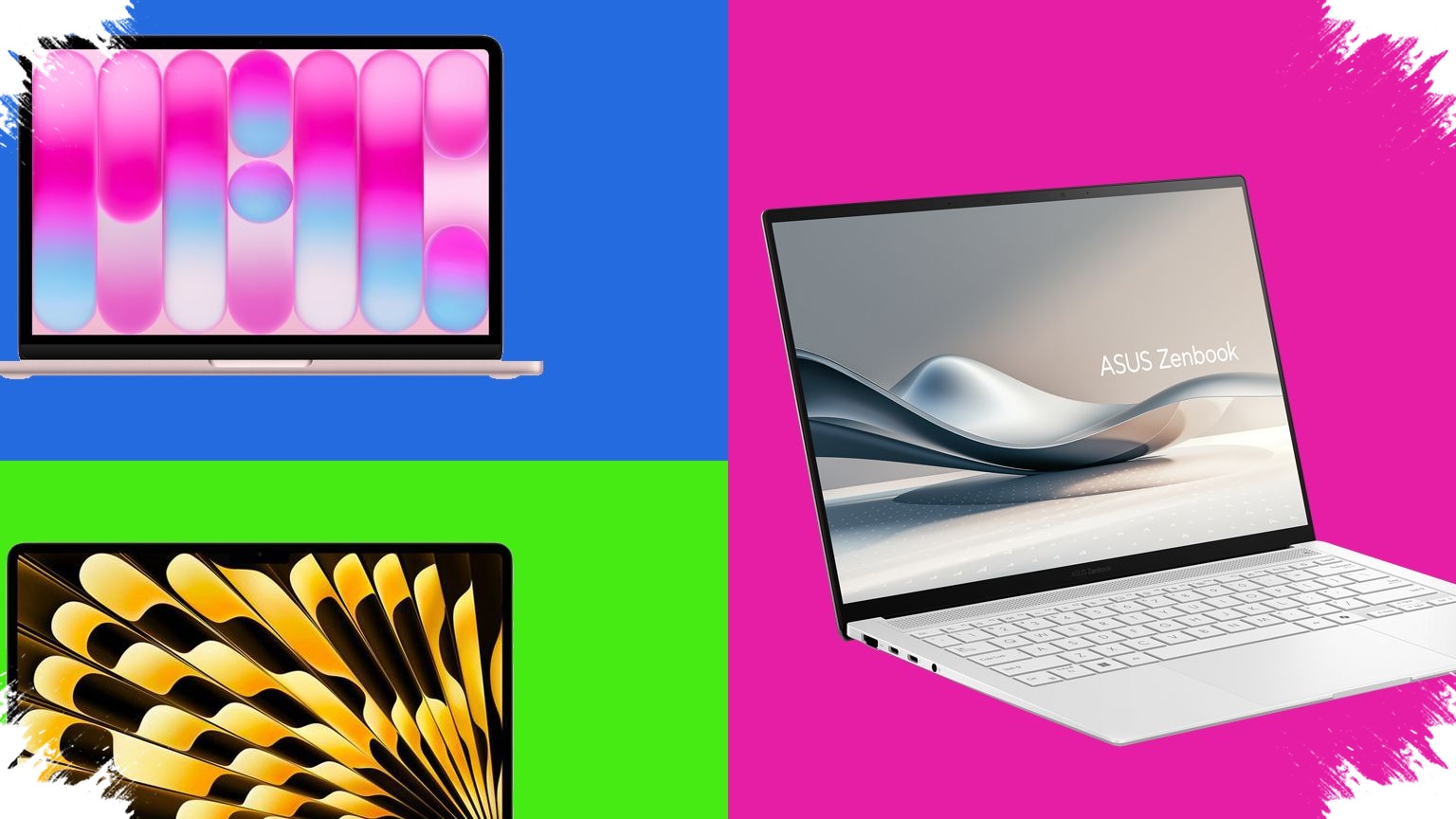
Mobility still remains important for students who split time between classrooms, organizations, and other locations. ASUS Zenbook 14 OLED UX3405 fits that profile with a 1.2 kg body and a sharp 3K OLED display.
MacBook Air M3 is also presented as a favorite thanks to the efficiency of Apple Silicon, which supports all-day use without frequent charging. Its stable ecosystem and Retina display make it attractive to users who place a high value on visual comfort.
HP Pavilion Plus 14 offers another direction with a modern aluminum body and a weight of 1.4 kg. It is generally powered by AMD Ryzen 7000 series or the latest Intel Core generations, and it also provides high color accuracy for visual communication work.
When coursework turns into heavier workloads
Engineering and informatics students usually need more than a basic productivity machine. Their laptops often have to handle 3D design software, coding, and rendering, which pushes performance requirements much higher.
ASUS TUF Gaming A15 addresses that need with AMD Ryzen H series processors and NVIDIA GeForce RTX 40 series graphics. Even with that level of power, the newer design is said to look more minimal, which keeps it suitable for academic environments.
Lenovo Legion Slim 5 takes a similar approach while keeping the appearance more professional. It carries an RTX 4060 GPU or higher, making it a fit for students who want top-tier performance without an overly flashy look.
Cooling also matters once workloads become heavier and longer. A strong thermal system helps maintain stability when the laptop is used for demanding assignments over extended periods.
The cost side is not just about the device
Beyond hardware, many students still pay attention to software costs during their studies. A permanent Microsoft Office Home & Student license remains important because it can help reduce ongoing productivity-app expenses.
That detail shows how the student laptop market is moving in 2026. Fit for major, RAM capacity, NPU readiness, battery endurance, and graphics strength now carry more weight than price alone or a thin chassis alone.