


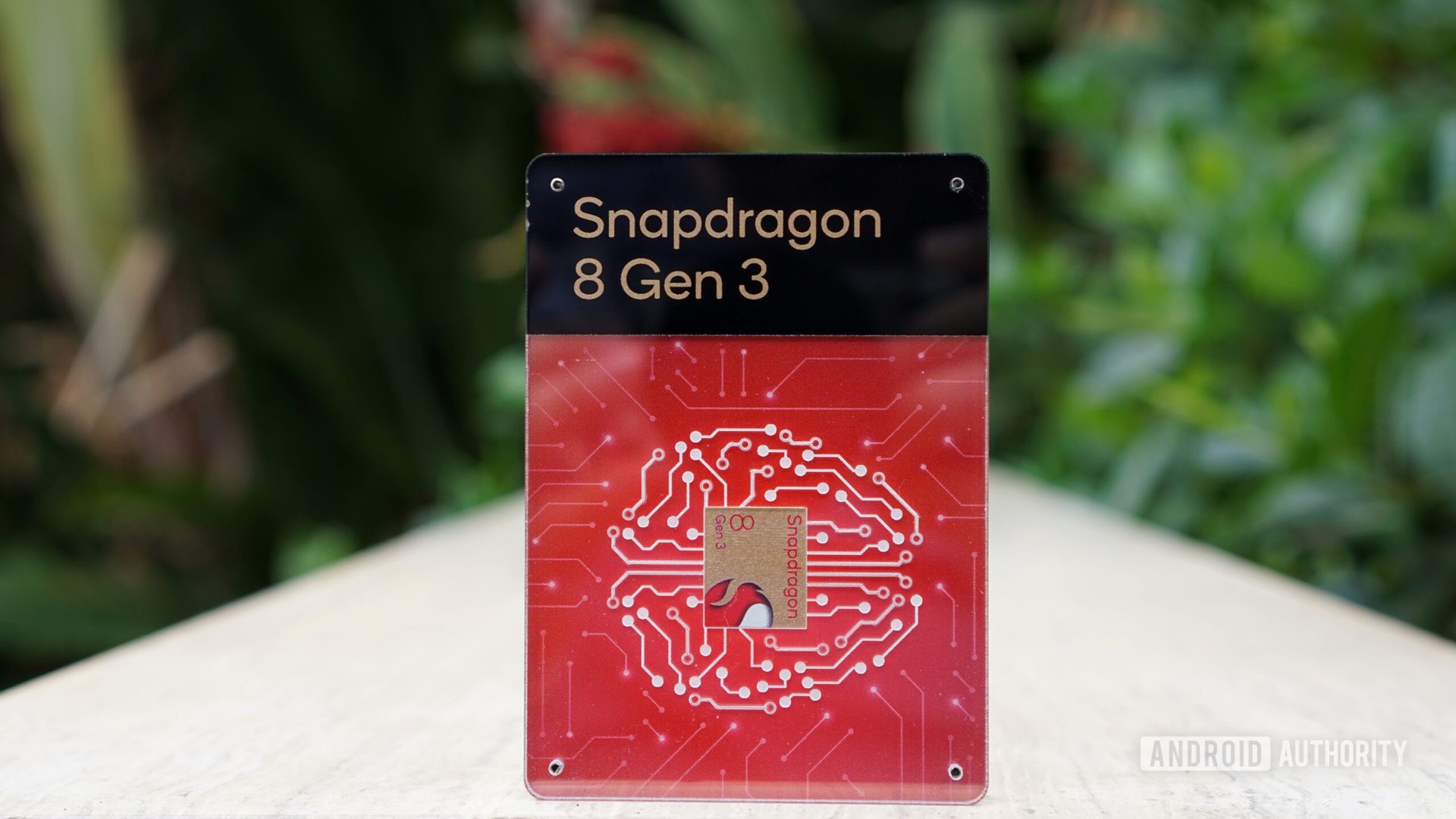
A new Qualcomm flagship chipset is drawing attention not because of performance alone, but because of what it may do to the price of premium Android phones. Reports circulating online say the Snapdragon 8 Elite Gen 6 could cost vendors more than $300, a level that would put fresh pressure on smartphone makers already dealing with higher component costs.
That concern arrives at a time when RAM and storage have already been difficult to source since the end of 2025. If the core parts inside a flagship phone keep getting more expensive, manufacturers will have less room to keep retail prices stable.
A sharper jump in chipset cost
The pricing gap becomes clearer when the rumored figure is compared with the previous generation. Gadget leaker Abhishek Yadav says the Snapdragon 8 Elite Gen 5 sells in the $240 to $280 range, which means the next version could rise by another $20 to $60.
That increase may sound modest at first glance, but it is significant for one of the most expensive parts in a flagship device. Compared with Snapdragon Gen 1, the difference looks even larger, since that older chip is said to have cost around $120.
Why premium phones feel the pressure first
The chipset sits at the center of modern smartphone performance, especially in high-end models that carry top-tier hardware across multiple areas. When the cost of the chip rises, brands usually have to adjust the rest of their production budget to protect margins.
The problem is compounded by shortages in RAM and storage. Those constraints have been in place since late 2025, so a more expensive SoC would add another layer of cost pressure during assembly.
Flagship devices are the most exposed to this situation because they rely on the most advanced components. That leaves less flexibility for manufacturers than in the midrange segment, where hardware choices are usually less expensive.
Two versions may split the flagship market
The leak also points to two distinct Snapdragon 8 Elite Gen 6 models. Qualcomm is reportedly preparing a standard version and a Pro version to separate performance tiers in the Android flagship lineup.
The Pro model is said to use a 2 nm process. It is also rumored to come with a faster GPU, higher-end RAM, and a larger cache.
The standard model is described as a step below the Pro variant. Its GPU is said to be less powerful, and it would still use LPDDR5X RAM.
Possible impact on device pricing
If the chip really crosses the $300 mark, smartphone makers may have to make harder choices. Raising the phone price is one option, but limiting certain features or reserving the new chipset for only the most expensive models are also possible.
That would likely widen the gap between ordinary flagship phones and ultra-premium models. The difference could become even more visible if the Pro version truly arrives with a faster GPU, more RAM, and a larger cache.
Samsung Galaxy S27 Ultra is mentioned as one possible candidate for the Pro version. Oppo, Vivo, and Xiaomi are also seen as likely users of the highest-tier chip.
No one has confirmed that every extra cost will be passed directly to buyers. Smartphone brands sometimes absorb part of the expense to stay competitive, although that decision usually depends on each company’s pricing strategy.
Still, chipset cost is becoming an increasingly important factor in the Android premium market. After RAM and storage shortages, a more expensive flagship SoC may be the next force making it harder for high-end phone prices to move downward.