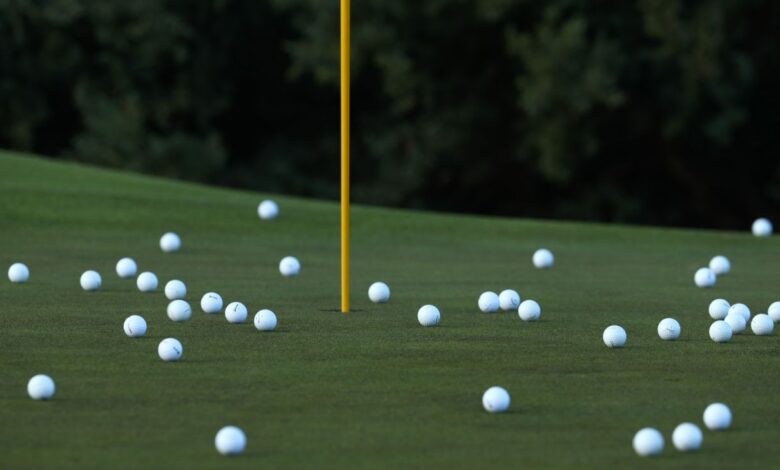
The golf ball rollback is no longer headed for a staggered rollout. The USGA and R&A said Wednesday that the change to how golf balls are tested will now arrive as a single-date implementation in January 2030.
That shift comes after fresh talks with PGA Tour and DP World Tour leadership, plus the PGA Tour Player Advisory Council, and it marks the first joint public statement on the issue from the governing bodies and the tours. The announcement also reflects a growing concern that the original testing plan may not deliver the distance reduction the sport has been trying to address.
What changed in the rollback plan
In March, the USGA had said it might not put the new Overall Distance Standard into effect until 2030. Before that, the plan was to test elite players first in 2028 and then extend the rule to all golfers in 2030.
The updated approach now keeps 2030 as the target for everyone, while the governing bodies continue to study alternative ways to slow future distance gains. In their joint release, they said the goal is to make changes that have a meaningful impact at the elite level without causing unnecessary disruption to the wider golf market.
Why the tours are engaged now
The joint statement says the discussions produced three clear outcomes. First, there is now formal agreement across the game that golf faces a distance issue.
Second, the USGA and R&A are acknowledging tour concerns that the updated Overall Distance Standard may not achieve the desired result. Third, all parties are open to reconsidering other approaches that could affect future distance increases more directly.
At the PGA Championship in May, Cameron Young said he had been playing a ball that conformed to the rollback changes and had not noticed any meaningful loss in distance. His comment added to the debate over whether the planned change would have enough effect once adopted.
What officials are saying
USGA CEO Mike Whan said he is willing to keep working with players and other stakeholders, and described the 2030 ball change as a “small, digestible bite” for the industry. He also said it may not be enough on its own, but believes the sport needs a way to move forward.
“It probably isn’t enough — and we’d have to do other small, digestible bites in time, too,” Whan said. “But I think as an industry, we want to be able to get through those.”
The governing bodies said they will work closely with the PGA Tour, DP World Tour and their members to review, test and implement options that can keep elite golf from becoming too one-dimensional while still emphasizing shotmaking.
Support and skepticism remain
Augusta National chairman Fred Ridley and former Masters champions Jack Nicklaus, Gary Player and Tom Watson have already backed efforts to reduce elite driving distance. Ridley said at this year’s Masters that “failure’s not an option” and called for compromise.
At the same time, many players have pushed back against the original rollback idea or questioned whether it is needed at all. Whan said the tone has changed recently, with more players stepping forward to ask for information and take part in the discussion.
He also noted that Augusta National, the PGA of America, the LPGA and other golf organizations remain involved even though they were not part of Wednesday’s joint statement. The broader process, he said, will continue with the same stakeholders as the sport tries to settle on a path that works across the game.