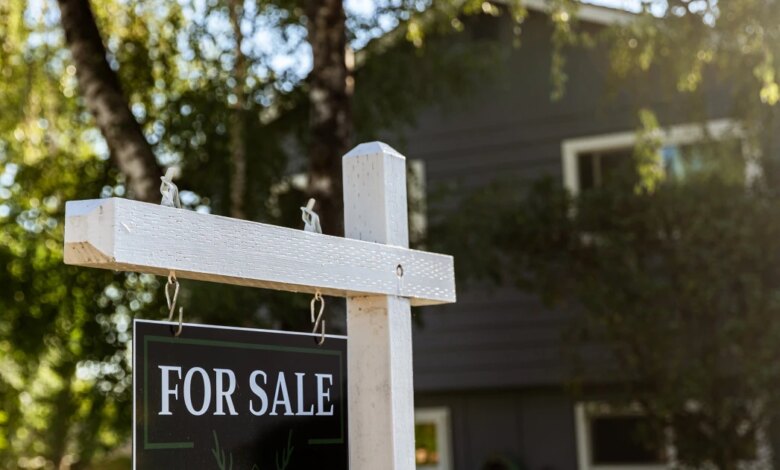
The Senate has approved a broad housing affordability bill that could reshape how homes are built and who gets to buy them. The 85-5 vote sends the measure to the House, where lawmakers hope to act in the next few days before it reaches President Donald Trump.
The legislation is designed to lower housing costs by speeding up development, easing some local review rules, and limiting what it calls large institutional investors from buying single-family homes. It marks a rare bipartisan win at a moment when both parties have faced pressure over rising living costs.
A Broad Deal With Two Clear Goals
The bill combines priorities from across the political spectrum. Republicans focused on reducing red tape and expanding housing supply, while Democrats pushed for new limits on private equity and other large investors buying up homes.
According to www.nbcnews.com, the package emerged from a “four corners” deal negotiated by Sens. Tim Scott, R-S.C., and Elizabeth Warren, D-Mass., along with Reps. French Hill, R-Ark., and Maxine Waters, D-Calif.
The measure includes funding and grant programs for new home construction. It also gives local governments more room to move faster on housing reviews, which supporters say could help more homes get built.
What The Bill Would Change
One of the most closely watched sections is titled “Homes Are For People, Not Corporations.” That language would restrict any “large institutional investor” from buying single-family homes.
The final package also reflects months of negotiations on Capitol Hill. The Senate had passed one version in March, and the House approved a different version in May before both chambers agreed on a compromise that added House-backed provisions and dropped a requirement the House opposed.
| Key Part | What It Does |
|---|---|
| Construction support | Creates funding and grant programs for new homes |
| Faster reviews | Helps local governments expedite housing approvals |
| Investor limits | Restricts large institutional investors from buying single-family homes |
The dropped House-opposed provision would have required large investors that construct or own at least 350 single-family homes to sell them after seven years. That change helped clear the path to a final deal.
Why The Vote Matters In Washington
The bill comes as Republicans have struggled with voter frustration over affordability. A mid-June AP poll found Trump’s overall approval rating at 37%, and just 33% approved of his handling of the economy.
Other polling cited by www.nbcnews.com has shown weak marks for Trump on the cost of living, the issue that helped power his 2024 victory. A June NBC News poll also found nearly 80% of U.S. voters believe the “American Dream” is harder to achieve than it was a generation ago.
For Republicans, the legislation offers a potential win on an issue that has hurt them politically. House leaders now hope to move quickly and deliver the bill to Trump’s desk.
Support From Both Sides, But For Different Reasons
Republican backers have highlighted the supply-side parts of the bill. French Hill called it a “meaningful step toward increasing housing supply, improving affordability, and helping more Americans achieve homeownership.”
Democrats have emphasized the investor restrictions instead. Warren said the bill is about “stopping private equity from buying up homes” and driving up costs for consumers.
Trump had also supported the anti-investor idea, saying in his State of the Union speech that he wanted to “ban large Wall Street investment firms” from “buying up in the thousands single-family homes.” White House spokesman Davis Ingle said the administration is “proud to have worked alongside our partners in Congress to move this legislation forward that advances the President’s housing affordability agenda.”
Why It Took So Long
Even with broad support, the bill sat unfinished for months after the Senate and House passed different versions. Negotiators finally brought it together after resolving disagreements over the investor rules and other House priorities.
Some Republicans say Trump was not deeply involved in the day-to-day push to finish the bill, which helped slow the process. Sen. John Kennedy said the president “hasn’t really been very hands-on in getting this bill across the finish line,” though he also said Trump would like to see something passed.
The housing vote also comes during a busy and politically noisy week on Capitol Hill, with other Trump-related fights drawing attention. Even so, the Senate’s overwhelming support gives the housing bill a real chance to become law if the House moves quickly.