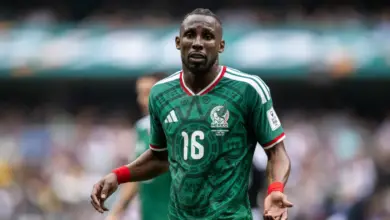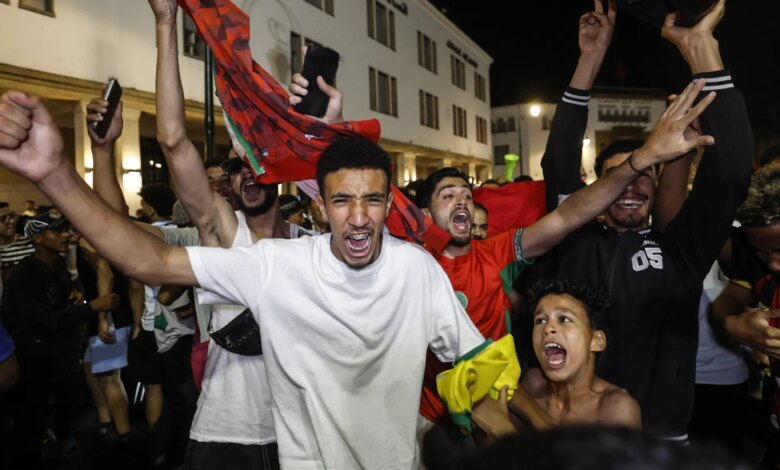
Two Round of 32 matches at the World Cup ended the hard way, with Germany vs Paraguay and Morocco vs the Netherlands both decided by penalty shootouts after 1-1 draws. The results showed how quickly knockout football can move from late drama to a format that leaves no room for error.
In Germany’s match, the team thought it had scored again before a video replay overturned Jonathan Tah’s goal because of a foul by Waldemar Anton on goalkeeper Orlando Gill. Paraguay then held its nerve to win the shootout 4-3, giving Germany its first-ever World Cup penalty shootout loss.
Morocco took a different path to the same outcome, equalising late against the Netherlands before winning 3-2 on penalties. For teams in the knockout stages, the rules that follow a draw are fixed and unforgiving.
How extra time works
If a World Cup knockout match is still level after 90 minutes, extra time is used to find a winner. That period lasts 30 minutes in total and is split into two 15-minute halves, with teams switching sides at half-time.
| Stage | Length | Purpose |
|---|---|---|
| Regular time | 90 minutes | First chance to settle the match |
| Extra time | 30 minutes | Tiebreaker before penalties |
| Penalty shootout | Until one team wins | Decides the match if the draw remains |
When the shootout begins
A penalty shootout happens only if the score is still tied after extra time. It is a series of one-on-one attempts, with players taking turns to strike at goal.
The referee uses a coin toss to choose the goal for the shootout, and a second toss usually decides which team goes first. Only players on the pitch at the final whistle of extra time are eligible, and that group can include the goalkeeper.
The shootout rules
Each side selects five players for the opening round, and the teams alternate attempts. If the score is still level after five penalties each, the contest moves to sudden death.
In sudden death, each team takes one penalty per round. The shootout ends as soon as one side scores and the other misses in the same pair of attempts.
The goalkeeper must stay on the goal line, facing the taker, until the ball is kicked. Movement is allowed laterally along the line, but not forward off it.
Some of the most famous shootouts
Penalty shootouts have produced some of the World Cup’s most memorable exits and finals. Brazil beat Italy 3-2 on penalties in the 1994 final after a 0-0 draw, while West Germany and Argentina both won semifinal shootouts in 1990 by the same 4-3 scoreline.
Italy beat France 5-3 on penalties in 2006, Brazil edged Chile 3-2 in the 2014 round of 16, and Croatia beat Denmark 3-2 in the 2018 round of 16 before later defeating Russia 4-3 on penalties in the quarterfinals.