The knockout stage of the World Cup leaves no room for a draw. If a match is still level after 90 minutes, teams get 30 more minutes to settle it, and if that fails, the winner is decided by penalties.
That is the rule that produced the wild 2022 final in Qatar, when Argentina and France needed extra time before the shootout finally separated them. It is also the same system that can turn a tense match into either a classic or a crawl.
What extra time means
Extra time is a 30-minute period split into two 15-minute halves. Stoppage time can still be added at the end of each half, and teams switch sides at the midway point just as they do in regulation play.
Each side also gets one additional substitution for those 30 minutes, bringing the total to six changes across a full 120-minute match. If the score is still level after extra time, five players from each team take penalty kicks before the shootout moves into sudden death.
| Match situation | What happens next | Length |
|---|---|---|
| Level after 90 minutes | Extra time begins | 30 minutes |
| Still level after extra time | Penalty shootout | Initial 5 kicks per team |
| Still tied after five kicks | Sudden death | Until one side misses and the other scores |
Extra time is not used in group-stage matches, where teams can share points if the score remains level after 90 minutes. It only appears once the tournament reaches knockout football, when there must always be a winner on the day.
How it differs from stoppage time
Stoppage time is not the same thing as extra time. It is the added minutes attached to each regulation half to account for interruptions such as substitutions, goal celebrations, time-wasting, injuries and hydration breaks.
FIFA referee chief Pierluigi Collina pushed officials to add more stoppage time at the previous World Cup in 2022, and the introduction of mandatory three-minute hydration breaks in this tournament also adds to the total time played.
Where the idea came from
The first major soccer match to use extra time was the 1875 FA Cup final, when Royal Engineers and Old Etonians finished 1-1 before a replay was needed three days later. The World Cup has used extra time in knockout matches since the tournament began in 1930, although replays were used when the score stayed level after 120 minutes in the early years.
Penalty shootouts were introduced at the 1970 World Cup, reducing the need for replays. FIFA later tried golden goal in 1993, where the first extra-time goal ended the match immediately, and silver goal, where a team leading after the first 15 minutes would win, but both ideas were later dropped.
Why it keeps deciding World Cup drama
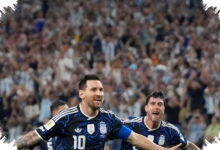
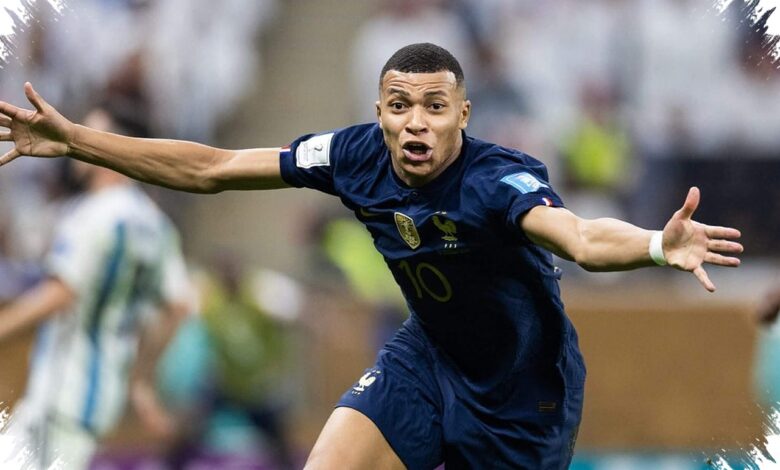
Extra time has shaped some of the tournament’s biggest moments. Andres Iniesta, Mario Gotze and Geoff Hurst all helped decide World Cup finals in extra time, while France and Argentina needed penalties after a 120-minute final in Qatar that also featured Kylian Mbappe’s hat-trick and Lionel Messi’s late strike.
In the past three tournaments, 17 knockout ties have gone to extra time, which is 35 per cent of all possible matches. Of the 22 World Cup finals, eight have gone to extra time, including three of the past four, showing how often the rule still matters at the sport’s biggest event.
Why fans love and dread it
Extra time can be thrilling when a breakthrough finally arrives, but it can also be slow and cautious as fatigue sets in. Of the 17 matches that went to extra time in the period cited, only five were decided in the additional half-hour, and 10 produced no extra-time goals at all.
That makes the rule unpredictable by design. It can end in a flash, or it can drag to penalties, which is often the most dramatic finish of all.
WAMF_CONTENT_HTML_ozmkp4or>>>