Childhood vaccination rates have fallen in many countries, while mistrust in science and government has grown louder. It is tempting to pin that shift on COVID vaccine mandates alone, but the reality is more complicated.
COVID-era mandates did raise vaccination uptake, yet they also helped trigger backlash, reactance, and political polarisation. According to theconversation.com, the deeper problem is that those mandates landed in an environment already shaped by lockdowns, border closures, disinformation, and falling institutional trust.
Why leaders backed mandates
Governments in Australia, the United Kingdom, Europe and California introduced vaccine mandates for different reasons, and leaders believed they were needed to protect lives. Many also worried about negative reactions, including from people who had previously complied with other COVID rules.
As part of the ongoing MandEval project, more than 130 senior people in government and policy were interviewed to understand why decision-makers chose that path. The analysis has not yet been published, but the broad picture is clear: leaders expected backlash, yet still saw mandates as the fastest way to lift vaccination rates.
| Issue | What the article says |
|---|---|
| Mandates | Raised COVID vaccination uptake |
| Public reaction | Could trigger backlash and reactance |
| Wider effect | May have deepened mistrust and polarisation |
| Current concern | Childhood, adolescent and adult vaccination coverage is now a worry |
Trust was already fragile
The mandates were not the only force pushing people away from vaccination. Even before COVID vaccine mandates, a minority already distrusted vaccines because they distrusted government and health care institutions.
That broader distrust now sits alongside a louder disinformation economy, where influencers, populist politicians and even foreign actors can benefit from outrage and division. In that climate, vaccination stops being a routine public health issue and becomes a political identity test.
Some people felt punished
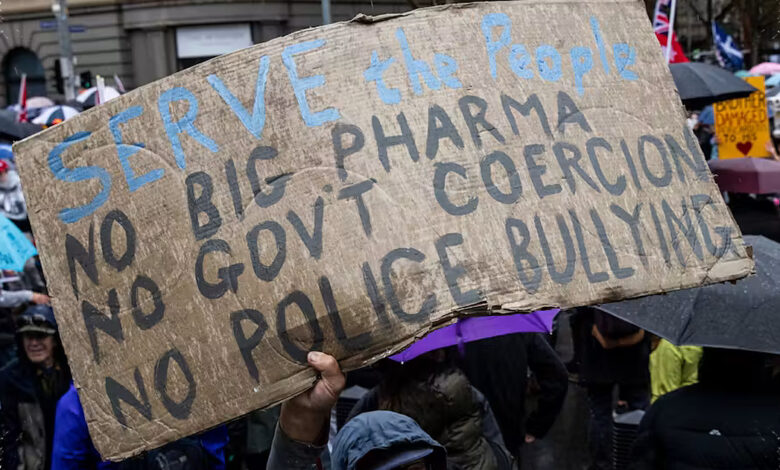
Research in Western Australia found that people who refused COVID vaccines often already viewed government negatively. Once mandates arrived, some felt morally punished, which fed frightening predictions of persecution and harm.
That reaction had lasting consequences. Some participants who had vaccinated routinely before the pandemic said they would never vaccinate again, showing how coercive policies can reshape attitudes well beyond the immediate crisis.
In Fremantle, the team also found that deep distrust of government and university researchers made some potential participants refuse to take part at all, or reveal very little. The problem was not only anger about policy, but suspicion of the institutions studying it.
What comes next
The article argues that if mandates are used again, governments need to work differently with communities before the next outbreak. That means transparent communication about benefits, risks and uncertainties, plus programs that are easy to access and clearly explained.
It also calls for more public participation in outbreak decision-making, including citizen panels that can question experts and recommend communication approaches. Just as important, governments need to explain the ethical reasoning behind mandates more clearly, so the public understands why such rules are introduced.
One final issue remains the handling of vaccine injuries. Australia’s COVID compensation scheme was described as short-lived, difficult to access and criticised after very few claims were paid out, while the COVID inquiry recognised the need for a fairer approach.
Without an accessible compensation process, disgruntled consumers can come to distrust not just vaccination programs during a pandemic, but the institutions behind them long after the emergency has passed.