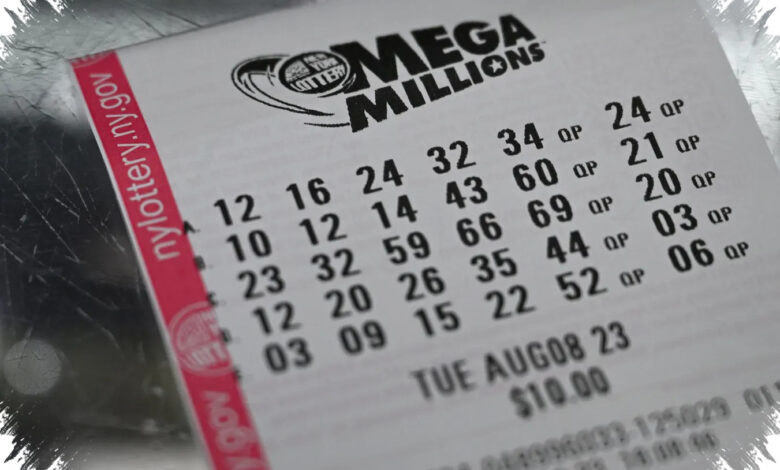
The Mega Millions jackpot has climbed to $604 million after no ticket matched all six numbers drawn on Tuesday night. That makes it the biggest lottery prize of the year so far, but the amount a winner could actually keep would be far smaller.
If someone wins the next draw, they would choose between $604 million paid over 30 annual installments or a $266.3 million lump sum. For most players, the cash option is the usual choice, even though it still faces heavy tax cuts.
What The Winner Could Take Home
The lump-sum payout would drop to about $202.4 million after a mandatory 24% federal withholding. A winner could then face a federal marginal tax rate as high as 37%, which would reduce the amount further to around $167.8 million.
| Option | Headline Amount | After Federal Withholding | After 37% Marginal Rate |
|---|---|---|---|
| 30 annual installments | $604 million | About $20.1 million per year | About $12.7 million per year |
| Lump sum | $266.3 million | About $202.4 million | About $167.8 million |
If the installment route is chosen, the annual payments of about $20.1 million would fall to around $12.7 million after the 37% federal marginal tax rate. State taxes could reduce the payout further, depending on where the winner lives.
Numbers To Know
The winning odds remain extreme at 1-in-290.4 million, which is slightly better than Powerball’s 1-in-292.2 million odds. Tuesday’s winning numbers were 2, 31, 35, 36, 63 and Mega Ball 12.
The next Mega Millions drawing is scheduled for Friday night. Powerball, meanwhile, has climbed to $434 million and will hold its next drawing on Wednesday night.
How This Jackpot Compares
A Mega Millions ticket buyer in Illinois claimed the biggest lottery prize of the year so far in March with a $533 million jackpot. The biggest Powerball prize of the year so far was a $250.8 million jackpot claimed by a player from Arkansas.
For winners, state taxes can make a major difference. New York taxes lottery winnings at 10.9%, while Texas, Florida and California do not tax them at the state level.
For anyone buying a ticket, the headline number is only the starting point. The real story is how quickly taxes and payout choices can shrink a record-size jackpot.