


Global financial markets have recently experienced a sharp reversal from record highs to significant losses. Investors have seen trillions wiped off portfolio values worldwide, affecting stocks, gold, and cryptocurrencies alike. This sudden downturn has stirred widespread concern, with many watching for a critical trigger that could cement the market’s decline.
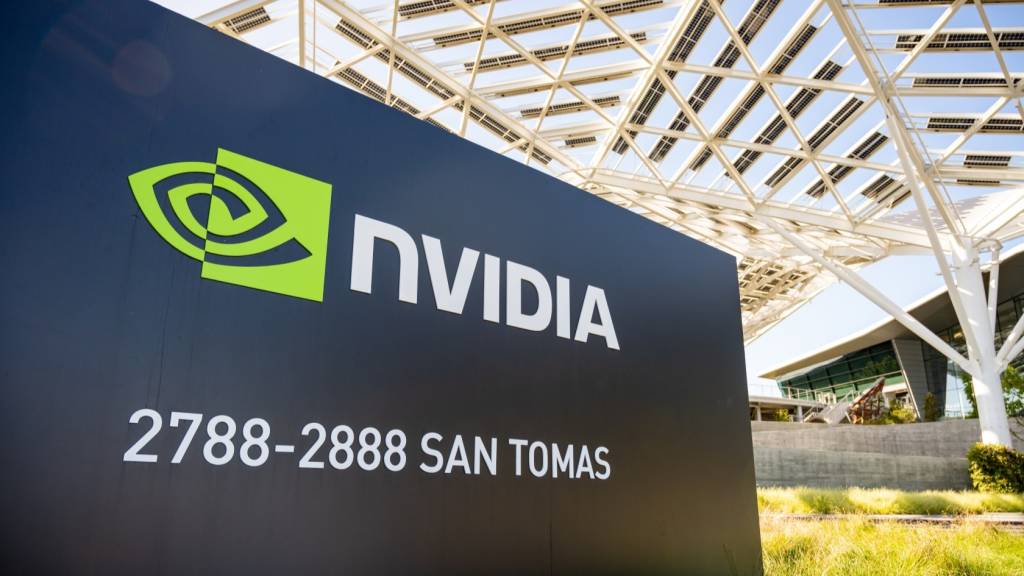
Nvidia, a leading chip manufacturer, is poised to be that trigger. Though relatively under the radar in broader economic discussions until recently, Nvidia’s upcoming earnings report has generated intense market anticipation. The company’s performance may heavily influence investment flows, including those into superannuation funds.
Nvidia’s Earnings Impact on Markets
Nvidia’s earnings are expected to reflect the company’s deep integration in high-demand sectors such as artificial intelligence, gaming, and data centers. These areas have driven the company’s growth, lifting its stock to considerable heights. A strong earnings report could buoy investor sentiment and stabilize markets. Conversely, any disappointment could accelerate the current sell-off pace.
Superannuation funds, which often hold significant technology stocks including Nvidia, are vulnerable to the chipmaker’s earnings outcomes. This exposure means changes in Nvidia’s valuation can directly affect portfolio balances and short-term returns. For many Australians, this could mean volatility in retirement savings or a pause in recent gains.
Market Context Around Nvidia
- Global markets peaked recently but quickly reversed.
- Broad-based selling has affected multiple asset classes.
- Nvidia’s earnings will likely dictate near-term market direction.
- Super funds with exposure to tech stocks must monitor developments.
- Uncertainty remains high as traders await Nvidia’s results.
Nvidia’s role as a market catalyst underscores how individual corporate reports can ripple through global finance. Investors are advised to track these earnings closely, recognizing how results may reshape risk appetite and asset allocations. This dynamic is especially relevant for retirement investors hoping to maintain recent growth in their superannuation balances.