


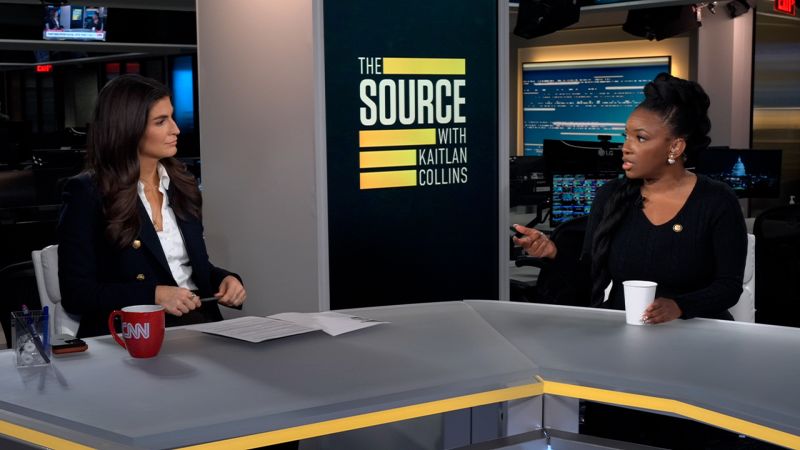
Rep. Jasmine Crockett sparked controversy by claiming that a Trump official received money from someone named Jeffrey Epstein. She alleged on the House floor that several Republicans had financial ties to this individual.
However, the EPA Administrator, Lee Zeldin, quickly responded to Crockett’s statement. He clarified that the payments came from a different Jeffrey Epstein, a physician, not the convicted financier.
Crockett’s remark raised questions about the accuracy of her claims. The name “Jeffrey Epstein” is widely associated with the disgraced millionaire linked to serious criminal allegations.
Zeldin emphasized that the Republican recipients did not have any financial connections to the notorious Epstein. Instead, they received funds from a medical professional sharing the same name.
This mix-up shows the challenges in making public accusations based on common names. The risk of misinformation grows when details are not fully verified before statements are made.
Crockett did not provide further evidence to clarify her initial assertion. Lawmakers and media observers noted the importance of distinguishing individuals to avoid damaging reputations unfairly.
The incident drew attention to the political tensions surrounding references to Jeffrey Epstein. Both parties remain cautious about leveraging such sensitive subjects in debates.
Key points from the situation include:
1. Rep. Crockett’s claim targeted unspecified Republicans linked to Jeffrey Epstein.
2. EPA Administrator Zeldin rebutted with facts about a different Epstein involved.
3. The confusion stemmed from two individuals sharing an identical name.
4. No illicit connections were verified between Trump officials and the infamous Epstein.
This episode highlights the need for accuracy in public discourse, especially involving contentious personalities. It reminds officials to verify details thoroughly before making serious allegations.
As political discussions continue, stakeholders are advised to approach the Epstein name with care. Transparency and fact-checking remain essential to maintain credibility in ongoing investigations and debates.
Read more at: www.cnn.com