Experts argue that the recent government shutdown highlighted the crucial role of the U.S. Department of Education. Despite claims that the shutdown showed the department’s redundancy, the event exposed significant risks to educational equity and federal oversight.
During the 43-day shutdown, the Department of Education furloughed nearly 87% of its workforce. Critical functions, such as enforcement of civil rights laws and support for Head Start programs, were severely disrupted.
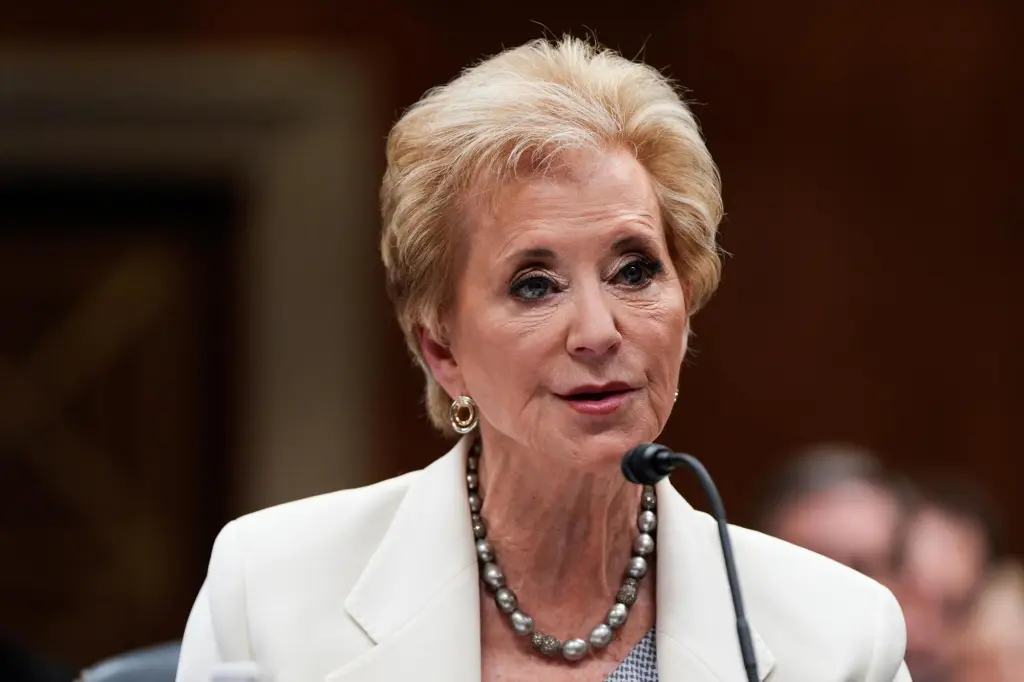
Former U.S. Secretary of Education Linda McMahon stated that the shutdown demonstrated the department’s functions could be managed by states more efficiently. She announced plans to transfer several responsibilities to other federal agencies, aiming to reduce what she called “a centralized bureaucracy micromanaging” education.
However, scholars challenge this viewpoint. Patrick McGuinn, a political science expert, explained that the department was created to improve efficiency and address persistent achievement gaps that states alone could not resolve. He emphasized that centralization helped reduce bureaucracy and empowered states to use federal education funds more effectively.
Nora Gordon, a public policy professor, noted that although states govern public schools, the federal government’s role is vital for funding redistribution, research, and enforcing civil rights. Federal involvement ensures poorer states receive necessary resources that local taxes cannot provide.
The shutdown negatively impacted many services. Over 25,000 civil rights complaints accumulated, and several Head Start programs faced closure threats due to funding gaps. Students relying on food assistance also suffered from increased insecurity during this period.
Experts warn that shifting department responsibilities to other agencies may cause delayed funding and reduced oversight. Such changes risk increasing educational inequity and weakening federal enforcement of educational standards.
The debate centers on balancing state control with federal oversight. The Department of Education’s existence ensures consistent standards and protects vulnerable students across the nation. Experts maintain that its elimination could undermine long-term efforts to achieve educational equity nationwide.