


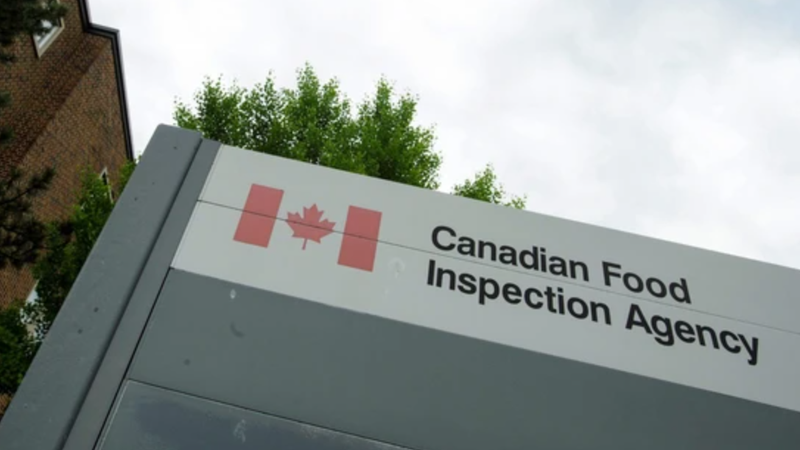
The Canadian Food Inspection Agency (CFIA) has confirmed an avian influenza detection within the Thompson-Nicola Regional District (TNRD). This finding is part of a broader pattern of outbreaks currently affecting various parts of British Columbia.
CFIA reports that the current outbreak, while not definitively located in a specific municipality such as the City of Kamloops, is linked to a commercial poultry operation that meets federal definitions. These definitions include premises either under Canada’s supply management with production limits or those with over 1,000 birds or more than 300 anseriformes used for sale or breeding.
Avian Flu Outbreaks Across British Columbia
The TNRD case is one of 17 outbreaks reported in British Columbia during November. The majority are concentrated in the Fraser Valley, known for its high density of commercial poultry farms. The distribution of cases since mid-October includes:
- City of Chilliwack – 11 outbreaks
- Abbotsford – 8 outbreaks
- Langley Township – 4 outbreaks
- District of Summerland – 2 outbreaks
- Salmon Arm, Richmond, Pitt Meadows, Regional District of Nanaimo, Cariboo Regional District, and TNRD – 1 outbreak each
This escalation coincides with the fall migration season, which increases contact between wild birds and domestic flocks. BC poultry producers have experienced significant losses, with an estimated 8.8 million birds culled or dead in recent outbreaks.
Ongoing Investigation and Public Guidance
CFIA continues investigations to clarify the exact location and scale of the TNRD outbreak. Their spokesperson stressed that swift containment measures and reporting are crucial to managing the spread. The agency urges poultry owners to report any suspected cases immediately.
In addition, the public encountering sick or dead wild birds should contact the provincial Wild Bird Reporting Line at 1-866-431-2473 or reach out to the Canadian Wildlife Health Cooperative. These efforts are part of a coordinated response aimed at reducing avian flu transmission and protecting both commercial and wild bird populations.
Read more at: cfjctoday.com