


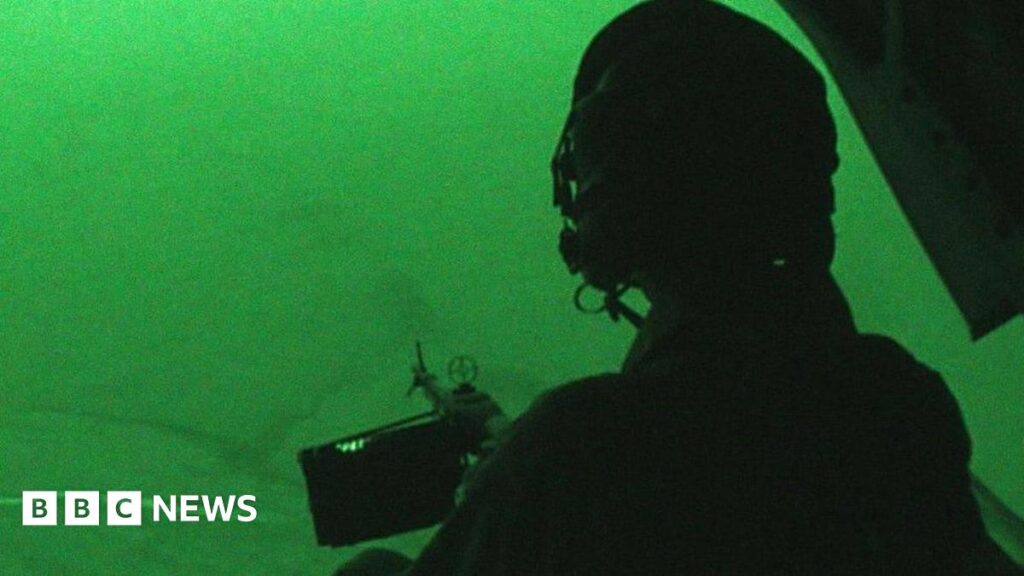
Allegations of Suppressed SAS War Crime Evidence Raised at Inquiry
A recent inquiry heard that senior Special Forces commanders obstructed the reporting of alleged war crimes by SAS soldiers. A former officer, known as N1466, revealed he raised concerns about unlawful killings but faced delays in reporting the evidence to military authorities.
N1466 postponed alerting the Royal Military Police (RMP) until January, nearly four years after first reporting suspicions to his superiors. He expressed regret for not acting sooner, citing the SAS raid in Nimruz province as a tragic example where two toddlers were fatally shot in their beds during a 2012 operation.
Bruce Houlder KC, ex-director of service prosecutions, emphasized the legal obligation for commanding officers to report suspected criminal acts. “The law imposed a very clear duty on commanding officers to report suspected crimes, including murder,” he told the BBC. Houlder added he would have instructed the service police to investigate failing officers if the evidence came to his attention in 2011.
The 2012 raid in Nimruz happened after a new director of special forces assumed command. This director denied all allegations made by N1466 and committed to providing a detailed response at the inquiry. He stated none of his senior commanders had concerns or evidence of unlawful killings during his three-year leadership.
Investigators are scrutinizing why senior Special Forces heads did not promptly notify the RMP or initiate investigations into the alleged war crimes. The delayed reporting hindered justice and possibly allowed preventable deaths after 2011.
Key points outlined at the inquiry include:
- Initial concerns raised internally in 2011 were not reported externally for nearly four years.
- The Nimruz raid led to the killing and serious injury of children and adults, but was not referred to military police.
- Commanding officers’ failure to report suspected crimes breached their legal duties.
- Current and former Special Forces leaders deny knowledge or evidence of unlawful acts during their command periods.
The inquiry continues to examine these claims and the institutional culture that may have suppressed accountability within elite military units. This case highlights complexities around command responsibility and transparency in wartime conduct investigations.
Read more at: www.bbc.co.uk