


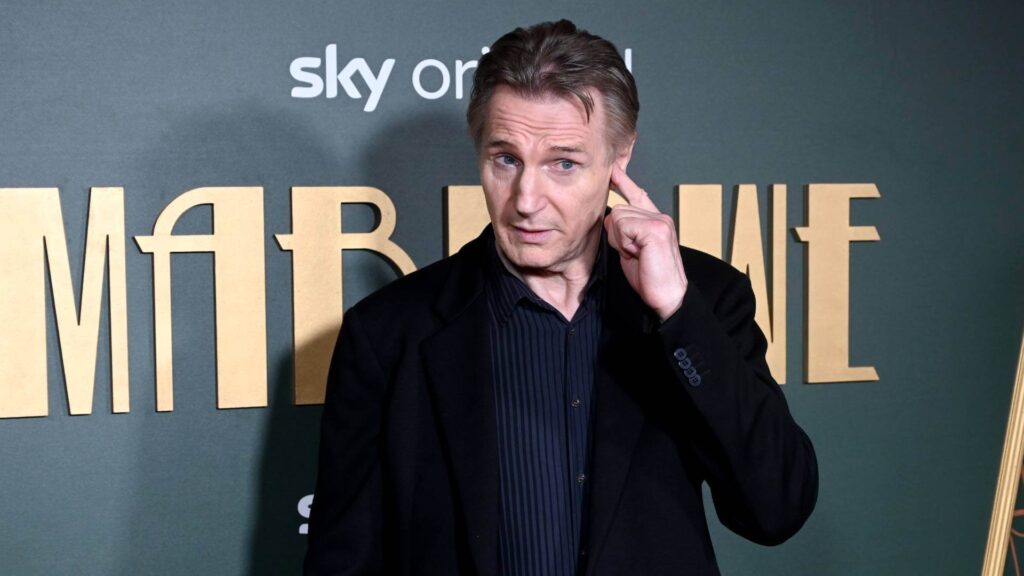
Liam Neeson recently lent his voice to narrate an anti-vaccine documentary titled Plague of Corruption: 80 Years of Pharmaceutical Corruption Exposed. The film promotes discredited vaccine claims and pseudoscience. Neeson’s narration refers to Chronic Fatigue Syndrome as the "worst health crisis since HIV and AIDS," reflecting the controversial stance of the documentary.
The documentary is inspired by a book written by Dr. Judy Mikovits, whose debunked theories have fueled anti-vaccine activism led by figures like Robert F. Kennedy. This movement is associated with the resurgence of preventable diseases such as measles and whooping cough. Notably, recent reports indicate over 1,900 measles cases in the U.S., highlighting public health risks amid declining vaccination rates.
Neeson’s representatives have clarified that he is not anti-vaccination and highlighted his support for immunization. They stated that Neeson did not influence the editorial content of the film. His long-standing role as a UNICEF Goodwill Ambassador underscores his commitment to global vaccine campaigns and public health efforts.
Throughout the COVID-19 pandemic, Neeson publicly praised vaccines as historic achievements safeguarding humanity. In a 2022 statement, he emphasized that vaccines have eradicated deadly diseases like smallpox and significantly reduced polio worldwide. He called vaccines one of humanity’s greatest success stories and encouraged celebration of their impact.
However, within Plague of Corruption, Neeson describes mRNA COVID-19 vaccines as "dangerous experiments" and disparages mainstream scientists. This rhetoric contrasts sharply with his earlier pro-vaccine messaging. As of late 2025, COVID-19 has caused more than 7 million confirmed deaths globally.
Critics note that the documentary also promotes the false claim linking vaccines to autism. This discredited theory continues to be exploited by anti-vaccine activists targeting vulnerable parents. While Neeson may not have shaped the film’s content, his association raises questions about the documentary’s credibility and message.
- The documentary’s anti-vaccine stance contradicts Neeson’s public vaccine advocacy.
- Neeson’s narration lends credibility to discredited health claims.
- The film resurrects vaccine fears amid rising outbreaks of preventable diseases.
- Official statements distance Neeson from the film’s editorial decisions.
- Neeson emphasizes vaccines as a collective human achievement in public health.
This development highlights the ongoing challenges in combating misinformation in public health discourse, especially when prominent figures become involved.
Read more at: www.avclub.com