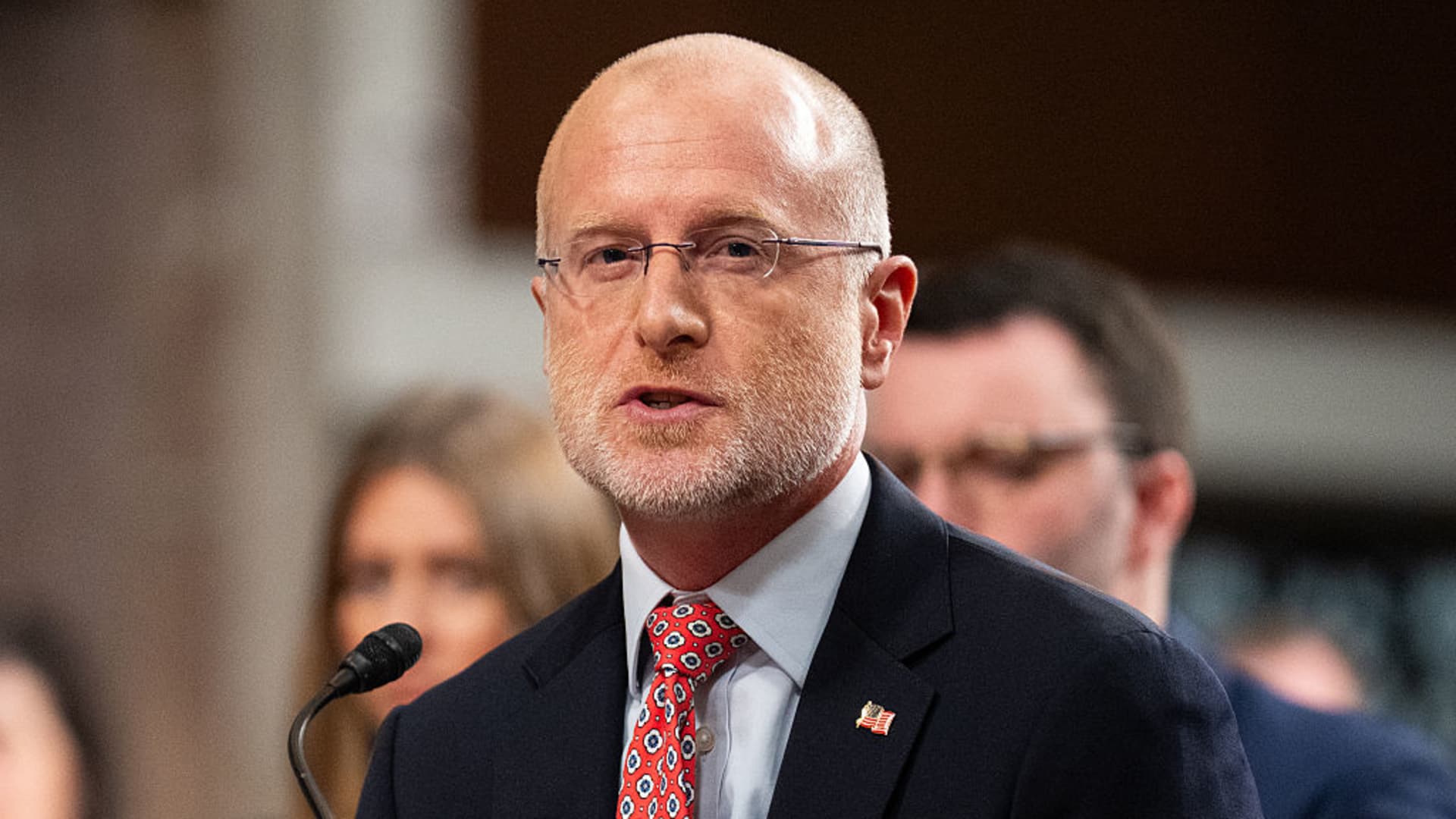
FCC Chairman Brendan Carr States FCC Is Not Formally Independent
Federal Communications Commission (FCC) Chair Brendan Carr clarified before a Senate committee that the FCC is "not formally an independent agency." His remarks came during a hearing with the Senate Commerce, Science and Transportation Committee, where members questioned the agency’s independence and role in regulating speech.
Shortly after Carr’s statement, the FCC website was updated to remove the word "independent" from its agency description. This rapid change appears to reflect Carr’s acknowledgment of the FCC’s formal alignment under executive branch oversight.
Controversy Over Carr’s Threats to Media Companies
Carr’s hearing marked his first public Senate appearance since his controversial September comments targeting late-night host Jimmy Kimmel. Carr threatened media companies, including Disney, which owns ABC, warning there could be "additional work for the FCC" if they did not act against Kimmel. This followed Kimmel’s remarks after the killing of conservative commentator Charlie Kirk.
Democratic senators condemned Carr’s warnings as threats to free speech. Senator Ben Ray Lujan bluntly asked if the FCC was an independent agency, to which Carr replied negatively. Senator Amy Klobuchar questioned the appropriateness of using FCC authority to pressure broadcasters over political satire.
Bipartisan Criticism Over FCC’s Role and First Amendment
FCC Commissioner Anna Gomez accused the Carr-led agency of intimidating critics and exceeding First Amendment boundaries. Senator Ed Markey charged that Carr was "weaponizing the public interest standard" to target government critics. Markey called for Carr’s resignation amid growing Democratic concern.
Meanwhile, Senator Ted Cruz, chair of the Commerce Committee, criticized Carr’s approach but opposed government censorship. Cruz described Carr’s previous comments as akin to "mob boss" intimidation but argued that government officials should not arbitrate speech content.
Media Mergers and Public Interest Concerns
The hearing also touched upon Nexstar Media Group’s $6.2 billion merger with Tegna. Nexstar’s planned acquisition requires FCC approval, adding a layer of scrutiny amid Carr’s tenure. Senate Democrats, including Sen. Jacky Rosen, warned that the merger could create an overly dominant media conglomerate.
Carr defended the FCC’s actions as enforcing longstanding public interest obligations. "Any licensee that operates on the public airwaves has a responsibility to comply," he said, emphasizing the legal requirement for broadcasters to serve public interest, convenience, or necessity.
This hearing underscores ongoing debates about the FCC’s independence and its influence over media content, especially in a charged political climate.
Read more at: www.cnbc.com-

-
-
-