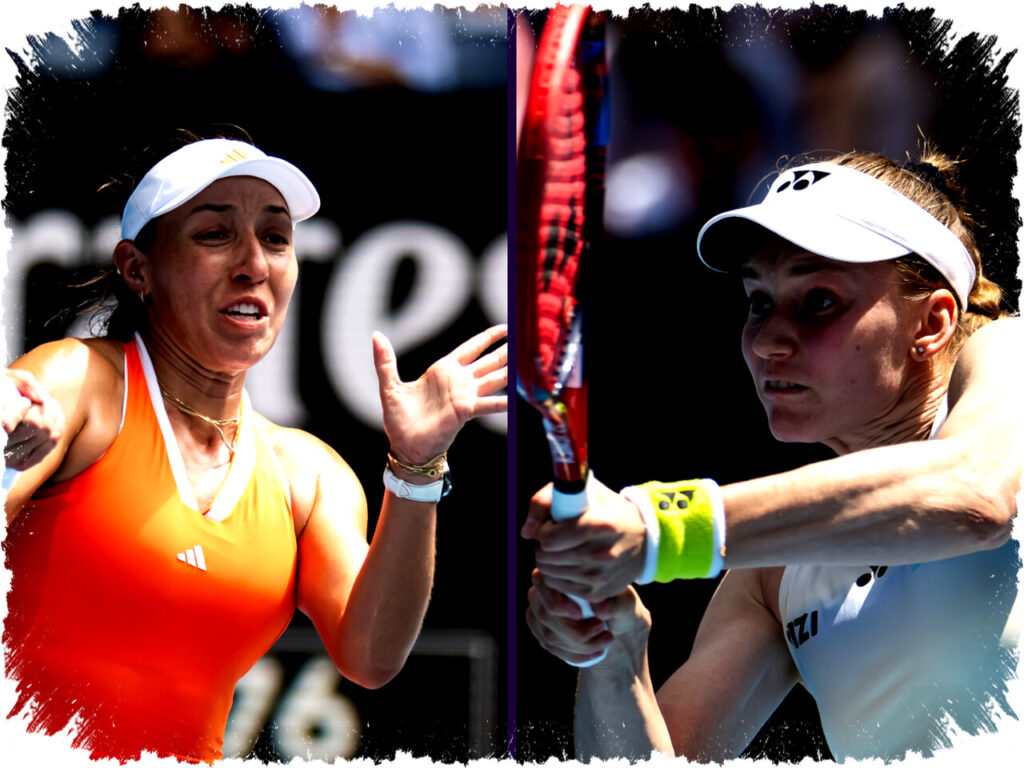
Elena Rybakina and Jessica Pegula both advanced to the Australian Open semifinals by defeating higher-seeded opponents in straight sets. Rybakina ended Iga Swiatek’s run with a commanding 7-5, 6-1 victory, while Pegula overcame Amanda Anisimova 6-2, 7-6 (1) to reach her second consecutive major semifinal.
Rybakina’s win was marked by an impressive finish, taking eight of the last nine games. Pegula’s triumph was driven by dominance on second serves, winning 64% of those points and capitalizing on seven double faults from Anisimova in the second set.
Rybakina’s Momentum and Adaptability
Since winning Wimbledon last year, Rybakina has accumulated more match wins than any other woman on tour, totaling 35 victories. She has also secured eight consecutive Top 10 wins, underscoring her elite competitive form. Her Australian Open performance reflects this consistency, particularly her powerful serve that led all women with 35 aces.
Rybakina emphasized the importance of adapting to varying match conditions. “You can play indoor, outdoor, day, night — all these conditions can be tricky,” she noted. Her calm demeanor and growth in maturity have been key in navigating the challenges of winning seven matches in a fortnight.
Pegula’s Consistency and Tactical Strength
Pegula’s steady play often goes underappreciated despite her consistent results. She entered the semifinals as the last American standing and has now reached her second straight Grand Slam semifinal. Remarkably, she is the only Open Era woman to make it to her first three major semifinals after turning 30.
Her controlled approach, especially on second serves, allowed her to neutralize the aggressive power players like Anisimova. Pegula herself credits her lack of emotional panic and persistent mindset, stating, “I’m very persistent as far as always wanting to get better.”
Key Comparisons and What’s at Stake
The head-to-head between Rybakina and Pegula is tied 3-3, with Rybakina winning their most recent match in Riyadh last fall. However, this will be their first Grand Slam meeting. Both players have significant milestones on the line: Pegula aims to reach her second major final in three attempts, while Rybakina strives to secure her first Grand Slam title since Wimbledon and match her best Australian Open result.
Factors That Could Determine the Match Outcome
Serving Efficiency
- Rybakina leads Melbourne with 35 aces, showcasing her formidable serve as a decisive weapon.
- Pegula’s strength lies in winning key second-serve points, demonstrated in her quarterfinal.
Experience Under Pressure
- Rybakina has demonstrated resilience, maintaining aggressive court positioning.
- Pegula’s calm composure helps her manage high-stakes situations without succumbing to pressure.
- Tactical Adaptability
- Rybakina adapts to various playing conditions from indoor courts to night matches.
- Pegula’s ability to change direction and induce unforced errors is critical against power hitters.
Both players have yet to drop a set in the tournament, a rare occurrence in major championships. This semifinal showcases two in-form competitors with contrasting but effective styles, promising a closely contested and high-quality match.
With experience, tactical acumen, and the drive to capture or defend major honors, Rybakina and Pegula remain prime contenders at this stage of the Australian Open. Their semifinal meeting underscores the depth and diversity of talent currently energizing women’s tennis.