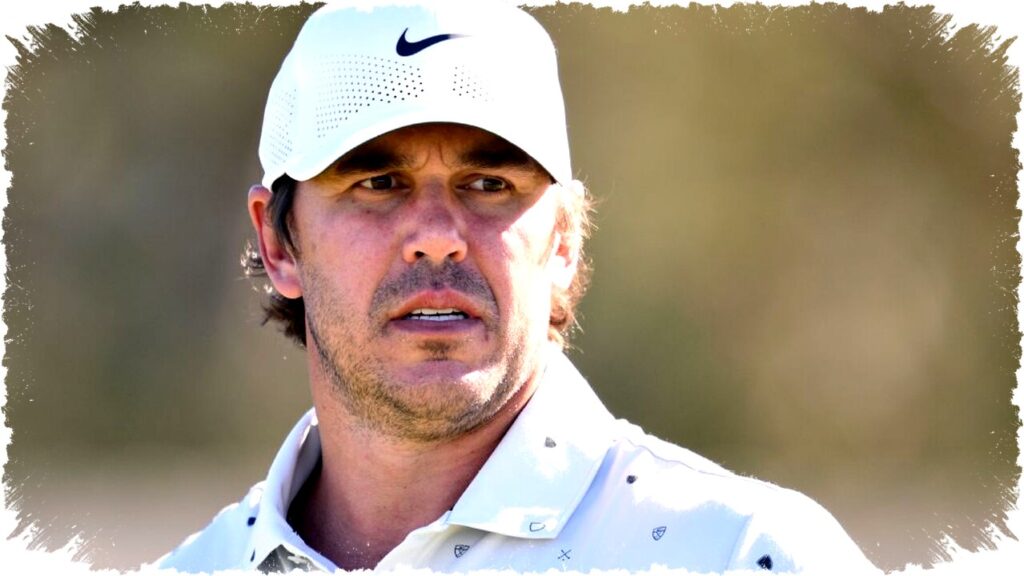
Brooks Koepka’s return to the PGA Tour marks a significant moment for both the player and the organization. After nearly five years away from PGA Tour events, Koepka steps back onto the fairways of Torrey Pines, signaling a shift in professional golf’s landscape and the tour’s renewed strength.
Once ranked 10th globally and a dominant figure with four major titles, Koepka’s comeback arrives amid stark changes. His current world ranking has dipped to 255th, reflecting recent struggles and a series of missed cuts in majors. However, his return is about more than recent form; it represents a broader narrative of reconciliation and renewal in the sport.
A Symbol of the PGA Tour’s Resurgence
Koepka’s immediate inclusion in the Farmers Insurance Open field and prominent feature in the tour’s marketing campaign underscore his value. The PGA Tour’s slogan “Where the Best Belong” was leveraged to highlight Koepka, signaling the tour’s intent to showcase its best talent and strengthen its position amid competition from rival tours. ESPN’s commitment to broadcast his first two rounds on its main channel further amplifies his impact on fan interest and media attention.
The tour’s decision to bend usual rules and grant Koepka immediate access highlights a strategic move under CEO Brian Rolapp’s leadership. This approach focuses on unifying top players, regardless of previous affiliations, to maintain the PGA Tour’s competitive edge and appeal.
Impact Beyond the Individual
Koepka’s return is part of a broader wave, including Patrick Reed’s reinstatement, reflecting a shift in relationships between players and the PGA Tour. Reed’s pathway back was less conditional but equally symbolic, illustrating the tour’s openness to reintegrating prominent figures from rival circuits.
Players and insiders view this development as a positive sign that many competitors value the PGA Tour’s prestige and competitive environment over other incentives. J.J. Spaun and Harris English, among others, acknowledge that top players are reconsidering their options and gravitating back to golf’s best stage.
Player and Tour Perspectives
Koepka himself expressed a mix of anticipation and nervousness about returning. He admits to feeling "a little bit antsy" yet welcomed the chance to focus on golf again. Off the course, he was seen engaging warmly with fellow players, coaches, and legends like Fred Couples, suggesting a willingness to reintegrate fully.
From the PGA Tour’s viewpoint, the move was met with near-unanimous support among members and leadership. Adam Scott, a player director, affirmed that the decision to allow returning members like Koepka aligns with the tour’s broader interests and membership wishes. The process under Rolapp involved careful vetting and communication, addressing concerns across the player advisory council.
Strategic Implications for the PGA Tour
The tour’s stance signals a tactical offense in response to the LIV Golf challenge. By facilitating immediate returns and showcasing returning stars, the PGA Tour not only draws fan attention but also weakens rivals by re-attracting marquee players. Contractual nuances, such as suspensions and restrictions on player equity for those returning from LIV, reflect a balancing act between openness and safeguarding the tour’s integrity.
This evolving dynamic raises questions about how many more players may follow Koepka and Reed back. Discussions suggest a growing realization that competitive fulfillment on the PGA Tour often outweighs financial considerations elsewhere. The “domino effect” of returns could reshape the professional golf landscape and reaffirm the PGA Tour’s dominant role.
Overall, Brooks Koepka’s return is both a personal comeback and a strategic milestone. It symbolizes the PGA Tour’s commitment to reclaiming and maintaining its status as golf’s premier competition platform. The tour’s actions illustrate a pragmatic and forward-looking approach, emphasizing unity and strength ahead of future challenges.