


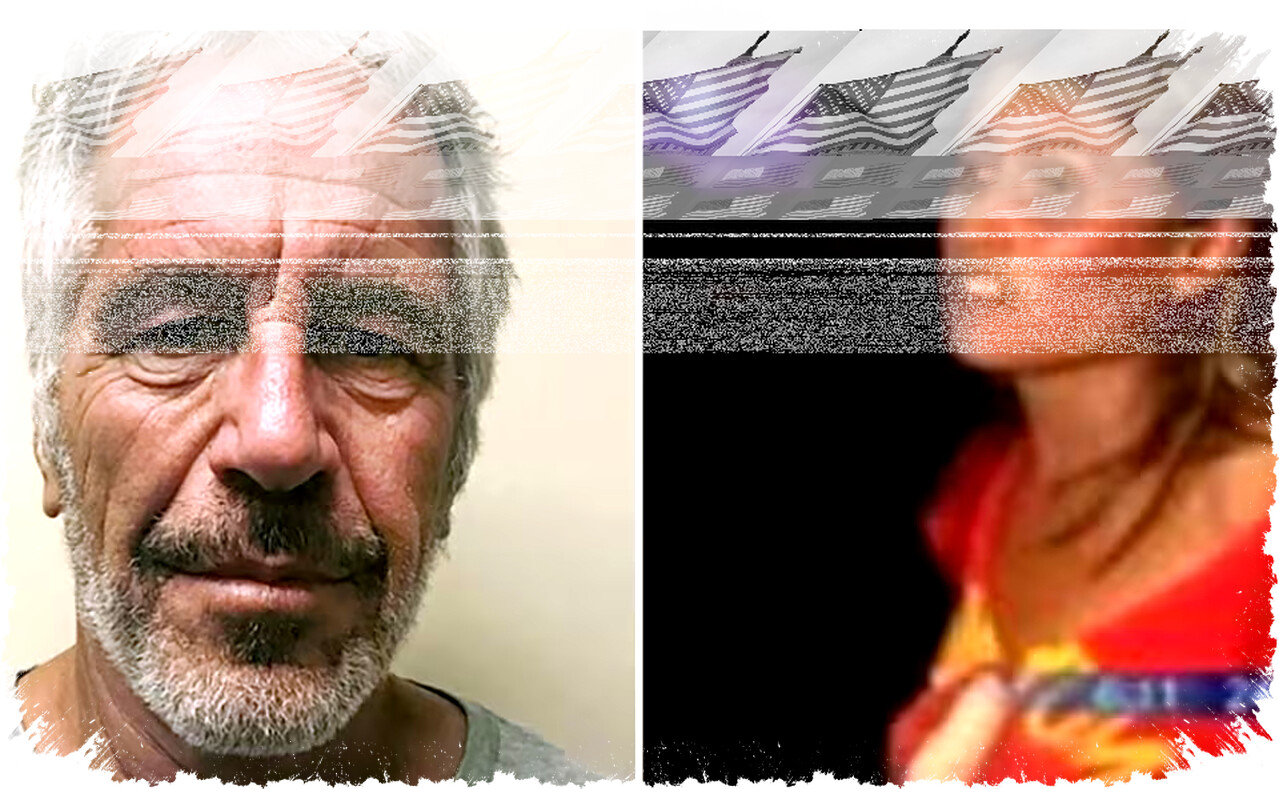
The recent release of additional documents related to Jeffrey Epstein’s case has reignited public and media interest worldwide. Among the newly revealed names in the expansive files are several prominent Mexican figures, which sparked renewed discussions on social media platforms. Notably, these disclosures have led users to revisit a controversial video featuring Gabriela Rico Jiménez, a figure whose story has drawn significant attention over the years.
Who Was Gabriela Rico Jiménez?
Gabriela Rico Jiménez was a young Mexican woman who came into the media spotlight in August 2009. The incident took place outside a luxury hotel in Monterrey, Nuevo León, where she was captured on video in a distressed and agitated state. At just 21 years old, Rico appeared disoriented and emotionally overwhelmed while directing serious accusations toward members of the elite, including individuals linked to the powerful Slim family.
In the widely circulated footage, Rico accused key public figures of involvement in a criminal network. She claimed these individuals concealed information surrounding the death of Juan Camilo Mouriño Terrazo, the former Secretary of the Interior for Mexico’s PAN party. Her declaration that "Murillo should not have died like that" pointed to her suspicions concerning the 2008 plane crash that killed Mouriño at age 37.
Allegations of a Criminal Network
Beyond this, Gabriela Rico made sensational claims that members of this elite group were engaged in grotesque acts, including cannibalism. Her frantic cries such as "They ate humans, disgusting, they ate humans!" shocked viewers and added a layer of complexity and notoriety to her case. The severity and intensity of these allegations led national news outlets to describe the situation as a "public scandal," suggesting that Rico’s mental health might have been compromised.
Law enforcement intervened during this episode, arresting Rico to manage what was alleged to be an anxiety attack. Since then, her whereabouts remain unknown to the public. Some online rumors propose that she was taken out of Mexico and admitted to a psychiatric facility in Buenos Aires, Argentina. However, no official confirmation has surfaced regarding her current status or well-being.
Context of Recent Epstein Document Releases
The new batch of Justice Department records related to Jeffrey Epstein includes millions of pages from investigations into his criminal activities, exposing new names beyond those already linked to the case. High-profile individuals such as producer Steve Tisch, businessman Howard Lutnick, and Andrew Mountbatten-Windsor are cited. The appearance of Mexican names like Ricardo Salinas Pliego, the widow of Emilio Azcárraga, and Carlos Slim has stirred intense debate, particularly because of connections to previously heard rumors involving the Slim family.
Social media users have drawn parallels between these revelations and the older, enigmatic case of Gabriela Rico. The revival of her video underscores the continuing curiosity and skepticism surrounding powerful figures and alleged clandestine networks. Discussions on forums and social networks reveal how these topics remain active within the collective concern about transparency and justice.
Key Points About Gabriela Rico Jiménez and Epstein Files
- Gabriela Rico became widely known after a disturbing video surfaced in 2009 where she leveled grave accusations against elites in Mexico.
- She implicated Carlos Slim’s son and others in concealing information related to a high-profile political death.
- Her disturbing claims extended to accusations of criminal conduct involving cannibalism within an elite circle.
- Following her arrest in 2009, her fate became shrouded in mystery, with rumors suggesting her admission to a psychiatric institution abroad.
- The latest Epstein document releases have revealed multiple influential names, leading to renewed scrutiny of previous allegations linked to elite circles.
While the information about Gabriela Rico remains largely fragmented and unverified, her story reflects a broader societal concern over accountability among powerful figures. The correlation between newly public Epstein documents and the resurfacing of her video suggests an enduring public interest in uncovering hidden truths behind elite criminal networks.
As these investigations continue to unfold, the intersections between documented evidence and long-standing rumors will likely remain a focal point in media scrutiny and public discourse. The Gabriela Rico episode is a stark reminder of how individual testimonies, even when clouded by controversy, can persist within cultural memory and influence ongoing debates about justice and power.