


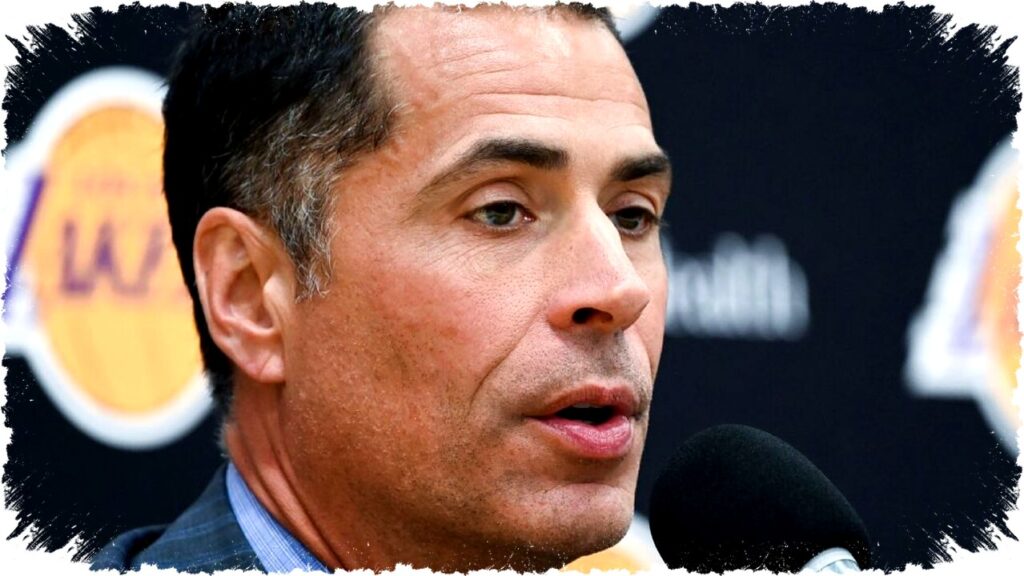
The Los Angeles Lakers are seeking to emulate the sustained success of their city counterpart, the back-to-back World Series champion Los Angeles Dodgers, as they look to rebuild and strengthen their basketball operations. Since the Dodgers’ ownership transition under Mark Walter in 2012, the franchise has developed a model of operational excellence that Lakers leadership now intends to adapt.
Rob Pelinka, the Lakers’ president of basketball operations and general manager, revealed that a collaborative relationship has formed with Dodgers president of baseball operations Andrew Friedman, a key architect behind the Dodgers’ championship runs. Pelinka described Friedman as “incredibly smart” and a valuable resource for insights into building a winning team. This new alliance represents an attempt to bring in best practices from a major-league organization renowned for its sustained competitiveness and deep operational infrastructure.
Building the Front Office Structure
The Lakers faced challenges in front office depth following Magic Johnson’s departure in 2019 and the subsequent layoffs of key personnel in scouting and management. Compared to other NBA franchises, the Lakers’ front office was leaner. Pelinka emphasized a commitment to expanding and investing heavily in their basketball operations staff, modeling the Dodgers’ comprehensive and deep front office setup. He stated, “There is no expense they’ll spare in being the best sort of front office in the world,” outlining plans to add executives around him with Jeanie Buss’s continued involvement as acting governor.
Strategic Planning for the Offseason
Pelinka conveyed that the Lakers are entering the offseason with a clear strategic vision: retaining flexibility while pursuing roster improvements. The team holds three future first-round draft picks and close to $50 million in projected salary cap space. He commented that the Lakers took an aggressive yet measured approach at the trade deadline by acquiring shooter Luke Kennard but declined other offers that did not align with their long-term planning. Pelinka highlighted the balance necessary between short-term fixes and the ultimate goal of building a championship-caliber roster.
Influence of Ownership and Governance
Since Mark Walter officially completed his purchase of the Lakers in October, Pelinka and acting governor Jeanie Buss have had detailed discussions on how Walter can further support the franchise’s growth. Walter’s experience with the Dodgers’ organizational model serves as a “North Star” for the Lakers’ transformation strategy. Buss will remain acting governor at least through the next four seasons, guiding the transition alongside Pelinka with Walter’s backing.
Adapting to New NBA Financial Rules
Pelinka also addressed the complexities introduced by the NBA’s recent dual-apron luxury tax system. The Lakers aim to maintain financial optionality for the offseason to capitalize on opportunities presented by teams constrained under the new rules. He noted that some teams have “dabbled over the second apron” and subsequently face roster and salary challenges, which may generate buyout market options for the Lakers. Management is actively evaluating their open roster spots and is likely to fill them as part of ongoing roster optimization.
Key Takeaways: Lakers’ Approach Inspired by the Dodgers
- Cross-sport collaboration: Engaging Dodgers leadership and adopting best practices from a championship baseball organization.
- Front office investment: Building out a deeper and more specialized basketball operations department.
- Long-term roster vision: Balancing aggressive moves with sustainable team-building and retention of draft capital.
- Supportive ownership: Leveraging Mark Walter’s resources and vision aligned with Jeanie Buss’s governance.
- Financial flexibility: Navigating new NBA tax structures to maximize offseason opportunities.
The Lakers’ initiative to mirror Dodgers’ organizational success reflects a commitment to creating a durable foundation for future championships. By integrating proven management principles and prioritizing operational depth, the franchise aims to join the Dodgers in establishing a modern model of sports excellence in Los Angeles.
Read more at: www.espn.com