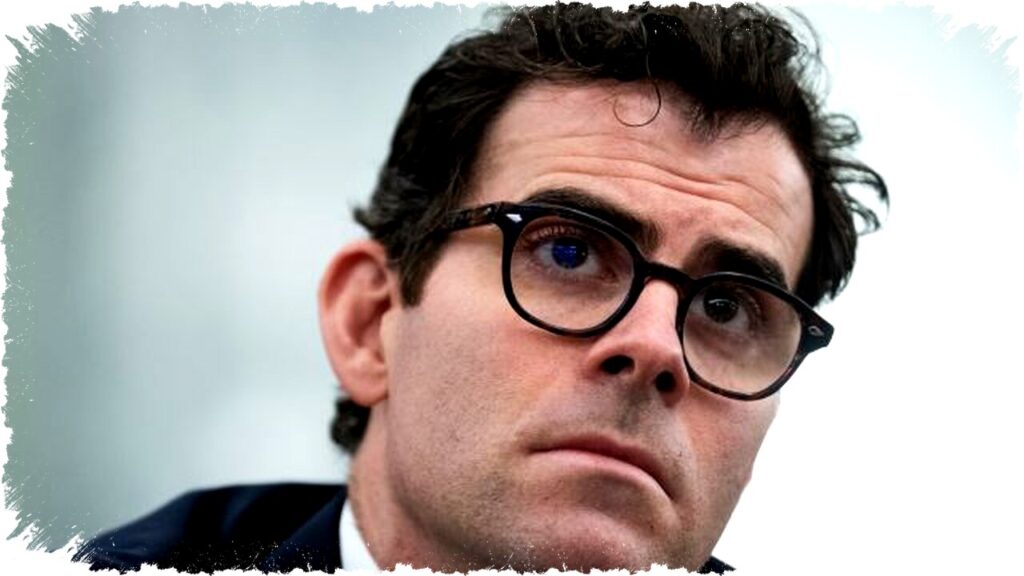
Adam Mosseri, Instagram’s head, testified in a landmark trial denying that social media apps like Instagram can be “clinically addictive.” His testimony came in a case where Meta, the parent company of Instagram and YouTube, faces allegations that it designs features to addict young users and harms their mental health.
The lawsuit is brought by Kaley, a now 20-year-old woman, claiming that Meta’s apps intentionally hooked minors, including herself, resulting in psychological harm. This case is the first of more than 1,500 similar lawsuits pending, set to test if social media companies can be held accountable for their impact on young users’ well-being.
Mosseri’s Position on Addiction and User Safety
During cross-examination by the plaintiff’s attorney, Mark Lanier, Mosseri rejected the notion that Instagram causes clinical addiction. He stated that excessive use may be “problematic” but varies between individuals. Mosseri likened it to “watching TV for longer than you feel good about,” clarifying that he is not a medical professional.
Mosseri addressed concerns about Instagram prioritizing profits over minors’ health by asserting that teens generate less revenue compared to other age groups. “We make less money from teens than any other demographic,” he said, explaining that teens have limited income and do not engage with advertisements as much.
He also highlighted Instagram’s safety features for teens, such as “teen accounts” that include privacy defaults and content restrictions. Meta disputes that it targets teens to maximize profit and denies liability for alleged harms raised in the lawsuit.
Background Context and Allegations
The trial revisits revelations from whistleblower Frances Haugen, who leaked documents showing Meta’s internal awareness of Instagram’s harmful effects on teen girls. Reports from past years indicated Instagram promoted content linked to extreme dieting and eating disorders, which violated its own policies.
Kaley reportedly began using Instagram at age nine, well below the platform’s official minimum age of 13. The lawsuit points to addictive design elements such as infinite scrolling, autoplay videos, and “like” buttons. These features are described as generating a “chemical hit” that encourages teens to seek constant validation.
Lanier presented evidence that Kaley spent more than 16 hours on Instagram in a single day, which Mosseri acknowledged as “problematic use.” The case also alleges that Instagram’s “beauty filters” contributed to body dysmorphia and that Kaley endured bullying and sextortion on the app.
Instagram’s Handling of Controversial Features
Mosseri addressed internal debates about Instagram’s beauty filters. In 2019, Meta executives recognized these filters could promote body image issues. Initially, Instagram banned all filters that distorted faces but later softened the policy, banning only those that mimicked plastic surgery scars. Filters that altered facial features, such as enlarging lips or slimming noses, were no longer banned but deprioritized in recommendations.
The company’s internal emails showed concern about the filters encouraging body dysmorphia, particularly among young girls. At the time of policy changes, Kaley was 14, indicating the timeline when these decisions affected teen users.
Financial Incentives and Company Priorities
The plaintiff’s lawyer scrutinized Mosseri’s compensation, which includes a base salary of around $900,000 and potential earnings exceeding $10 million annually through bonuses and stock options. Lanier suggested these financial incentives could bias decisions toward product growth over user safety.
In response, Mosseri denied that stock price or growth influenced decisions on feature development. He claimed he was “never concerned” about such factors impacting company policies related to content or product design.
Undisclosed Internal Research and Jury Considerations
Lanier referenced a confidential Meta study called “Project Myst,” which reportedly found evidence of Instagram addiction among children experiencing adverse effects. He claimed the study showed parents lacked power to prevent their children’s social media addiction. Mosseri confirmed he was aware of the research but did not recall specific details and expressed general support for scientific inquiry.
Meta’s legal team argued that Kaley’s mental health issues stemmed primarily from her difficult family background rather than Instagram. They presented testimony from therapists who reportedly did not view Instagram as central to her problems. A Meta spokesperson emphasized that the jury’s focus is whether Instagram substantially contributed to Kaley’s mental health struggles amid her broader life challenges.
Legal Limits Related to Content
Judge Carolyn Kuhl restricted the scope of Mosseri’s testimony, barring questions regarding Instagram or YouTube’s content safety features or the nature of content Kaley was exposed to. This limitation is based on Section 230, a federal law that shields tech companies from liability for user-generated content. As a result, the trial centers more on design and policy decisions than specific posts or interactions.
Broader Implications
The trial represents a critical moment in accountability discussions between social media platforms and their impact on youth. It will likely influence future regulations and corporate policies concerning online safety and mental health.
Adam Mosseri’s testimony reflects Instagram’s official stance that while usage can become problematic, it does not amount to a clinical addiction. The case continues to highlight tensions between social media innovation, revenue growth, user safety, and societal consequences.