


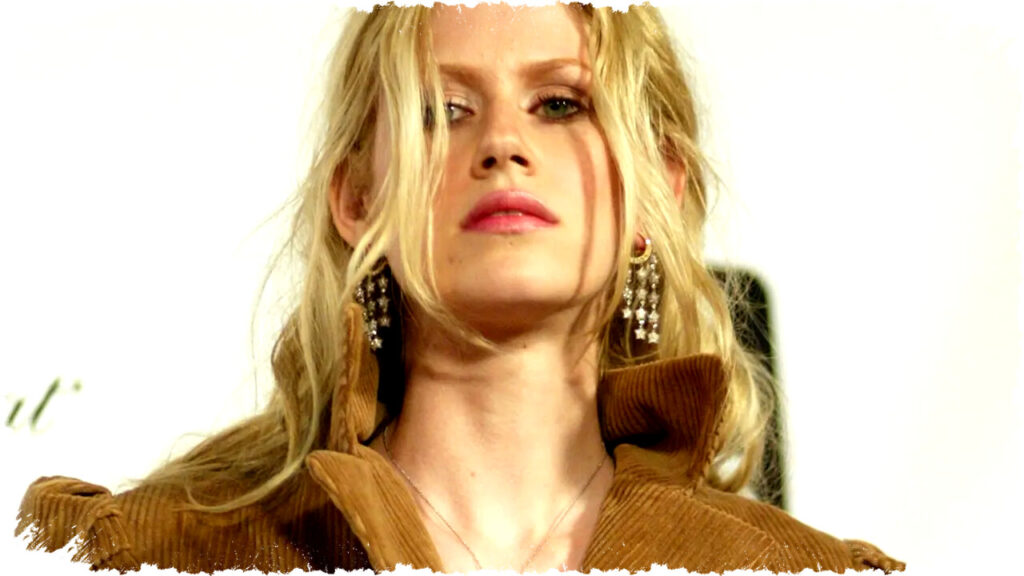
The Reality Behind Shandi Sullivan’s ‘Cheating Scandal’ on America’s Next Top Model
Shandi Sullivan’s journey on America’s Next Top Model (ANTM) was expected to be her escape from a monotonous life working at Walgreens in Kansas City. At 19, she confidently declared her ambition during an open casting call, hoping the reality show would transform her future. Instead, Sullivan’s experience spiraled into a traumatic ordeal that was broadcast to millions under a misleading narrative.
The turning point came during a trip to Milan—a first overseas experience for Sullivan—where producers hosted a party with male models in the house. Exhausted, hungry, and intoxicated after heavy drinking encouraged by the production, Sullivan’s memory became fragmented. She recalls entering a hot tub with male models before blacking out. Later, she woke to a terrifying scene, giving rise to the controversial "cheating scandal" storyline. The male model involved remains unidentified, and Sullivan never reported the incident; no charges were filed.
Producers’ Role and Ethical Concerns
Throughout Sullivan’s distress, the cameras kept rolling. Instead of intervening, producers allowed events to unfold, prioritizing dramatic footage over the contestant’s safety. Sullivan stated, “Someone should have said ‘We need to put the cameras down and just go get her.’ They facilitated that whole situation.” Executive producer Ken Mok defended the approach in the recent Netflix docuseries Reality Check: Inside America’s Next Top Model, emphasizing the show’s documentary-style commitment to filming “everything, the good, the bad, and everything in between.” Yet, this rationale raises questions about the ethical responsibilities of reality TV productions.
Tyra Banks, host of ANTM, acknowledged the situation but distanced herself from production decisions. Banks said, “It’s a little difficult for me to talk about production because that’s not my territory.” Neither Banks nor Mok responded extensively to follow-up requests for comment on the incident and its aftermath.
Aftermath of the Incident and Portrayal as a ‘Cheater’
Following the Milan party, producers framed Sullivan’s story as an infidelity scandal. In a filmed conversation, Banks focused on themes of cheating, reinforcing this false narrative. Sullivan expressed deep hurt from this portrayal, especially when producers aired the controversial footage during a reunion episode despite her explicit requests not to do so. She described this act as “extremely insensitive,” adding, “It says, ‘I don’t respect you, I don’t care about your boundaries.’"
For Sullivan, the experience extended beyond personal trauma to public humiliation. The incident damaged her reputation and contributed to emotional distress that lingered for decades. In the Netflix docuseries and subsequent interviews, she revealed ongoing struggles with trauma, highlighting how the producers’ choices affected her long-term well-being.
Impact on Contestants and Reality TV Culture
Sullivan’s story is emblematic of broader criticisms about ANTM’s production environment. Contestants shared accounts of chaos, emotional manipulation, and neglect of physical and psychological safety standards. Many former models felt exploited, describing an industry that prioritized entertainment value over human decency.
The new docuseries sheds light on these systemic issues, featuring interviews with judges and hosts alongside candid testimonies from contestants. Although support from figures like Nigel Barker, J. Alexander, and Jay Manuel adds context, the absence of some notable former models raises questions about the completeness of the narrative.
Key Takeaways:
- Shandi Sullivan endured a traumatic event on ANTM that was manipulated into a ‘cheating scandal’ narrative.
- Producers prioritized on-camera drama over contestant safety during critical moments.
- Sullivan was publicly mischaracterized and suffered emotional repercussions for years.
- The show’s production culture often failed to protect models’ physical and emotional well-being.
- Recent documentary scrutiny reveals complex ethical challenges in reality television.
Today, Sullivan reflects on her ANTM experience with mixed emotions. She chooses to focus on positive aspects of her life but remains critical of how reality TV treats participants. “How do you treat people as cash cows instead of humans?” she asks, underscoring the urgent need for reform in entertainment industry practices.
This detailed account offers critical insights into the hidden consequences behind reality TV’s glamorous façade, reminding audiences to question what lies beyond the edited screen.
Read more at: www.rollingstone.com