


India and England are set to face each other in a high-stakes semi-final encounter at the T20 World Cup 2026. The match will take place at the Wankhede Stadium, a venue known for its batting-friendly conditions, which poses a significant challenge for bowlers. India’s bowling coach, Morne Morkel, has highlighted the aggressive nature of both teams, describing the contest as a "shootout" between two fearless sides.
England’s batting unit, while not consistently explosive in the tournament so far, contains dangerous players capable of changing the game quickly. Morkel called England “street-smart,” noting their ability to bat long and deep, which makes them formidable opponents. Their aggressive approach also creates opportunities for bowlers who can quickly adapt to conditions.
Challenges for Indian Bowlers Against England
England has crossed the 200-run mark only once when batting first in this tournament, and they were once dismissed for 166 runs by West Indies spinners at the same venue. Despite this, England’s players have produced memorable innings, such as Harry Brook’s exceptional performance against Pakistan and Will Jacks’ impactful contributions from the lower order. Morkel stressed that the side that better reads the pitch conditions would likely prevail in this clash.
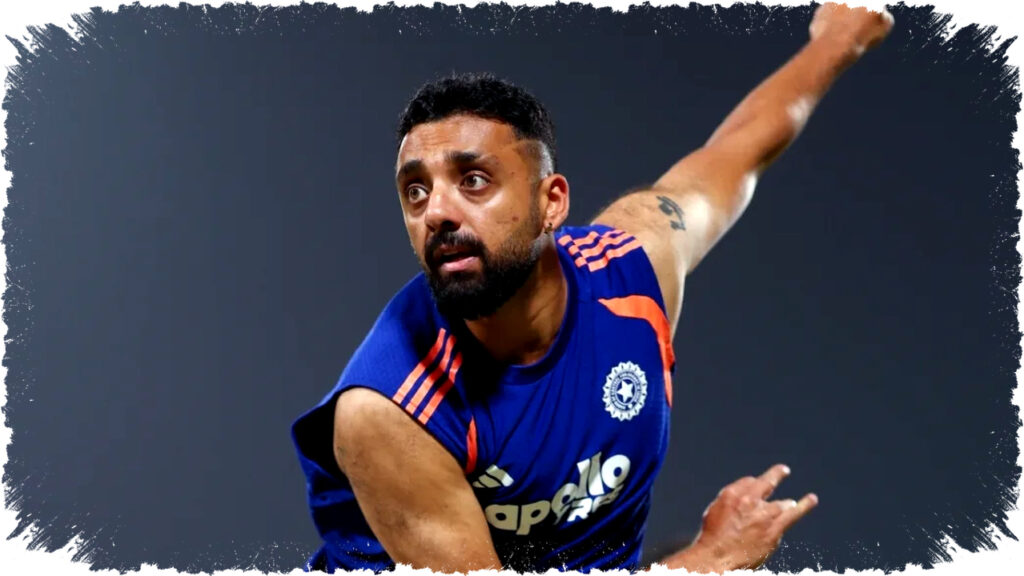
A key figure for India’s bowling hopes is Varun Chakravarthy, who impressed early in the tournament with nine wickets in the first round. However, during the Super Eight stage, his performance dipped slightly, with an economy rate above 10 and only three wickets from 12 overs. Morkel, nevertheless, remains confident in Chakravarthy’s potential to be a strike bowler.
Varun Chakravarthy: A Match-Winning Spinner
According to Morkel, Chakravarthy possesses unique skills and variations that give him the ability to take wickets almost every ball. Morkel emphasized that for Chakravarthy, it is crucial not to dwell on occasional expensive deliveries but to focus on the next ball. The coach noted that Chakravarthy puts significant pressure on himself to perform in big matches, which can impact confidence, but said the spinner’s quality is clear.
Chakravarthy recently worked closely with Morkel in practice sessions aimed at improving his length, speed, and control on the Wankhede pitch. Morkel called the training routine but noted Chakravarthy’s desire to be a decisive performer for India in crucial games.
Support from All-Rounders and Tactical Adjustments
Beyond Chakravarthy, India may rely on other bowling options like Shivam Dube to complete the 20 overs effectively. Dube was not required against the West Indies but had a tough outing previously when conceding 46 runs in two overs against Zimbabwe. Morkel explained that the challenge for Dube lies in making smarter decisions under pressure, as opposition teams tend to target him.
Morkel highlighted the importance of tactical thinking and execution for Dube, indicating that improvements in these areas would enhance India’s bowling strength. He also reiterated that pressure situations can create new opportunities for bowlers who manage to stay composed and strategic.
Wankhede Pitch: An Equalizer for Both Teams
While India is more familiar with the Wankhede track, England is well-prepared with ample information about the conditions. Both teams will need to adjust quickly to the pitch behavior to gain the upper hand. The contest will likely test the adaptability and mental toughness of the players on both sides.
The semi-final is shaping up to be an exciting encounter between two teams that combine aggressive batting with tactical bowling strategies. India’s chances will depend heavily on their bowlers’ ability to contain England’s “street-smart” batsmen, with Varun Chakravarthy’s performance closely watched as a potential game-changer.
Read more at: www.espncricinfo.com