


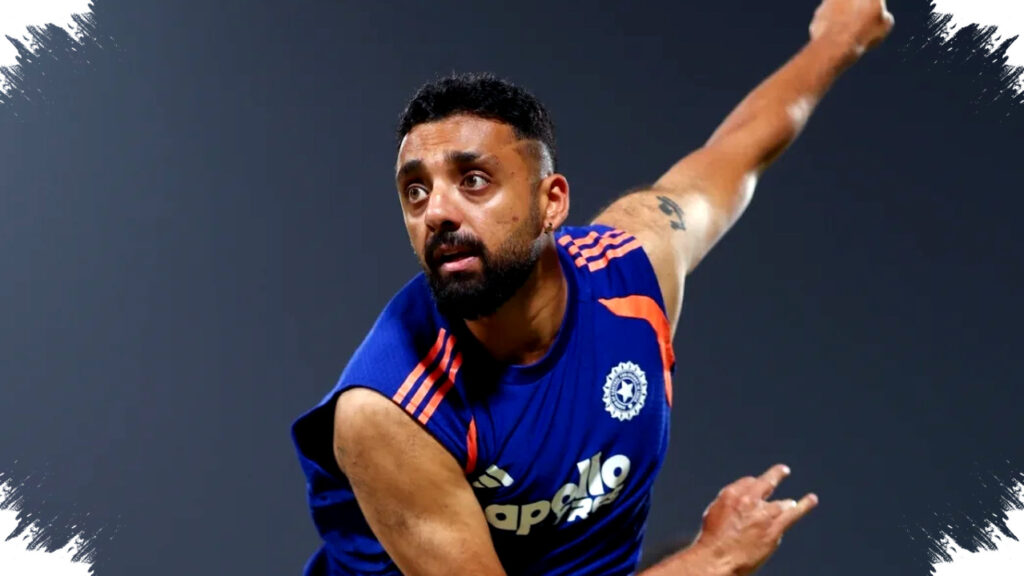
India’s journey to the T20 World Cup 2026 final highlights their strength as the world’s top-ranked T20I team. Despite their outstanding overall performance, two of their star players, including Varun Chakravarthy, have had challenging tournaments. This raises speculation about whether India might consider leaving Varun out of the final.
Abhishek, India’s leading batter, remains a guaranteed starter regardless of his recent low scores or the aftereffects of a recent illness. His ability to take early risks and his overall quality make him irreplaceable in the lineup. On the other hand, Varun Chakravarthy’s place is less certain due to his recent struggles in maintaining bowling effectiveness.
Varun Chakravarthy’s Recent Form and Impact
Varun is known for his skill and variations, often capable of taking wickets with nearly every ball. However, in this World Cup and the preceding months, he has frequently been hit for boundaries despite bowling good deliveries. During the semi-final against England, Varun’s first ball was a near-perfect delivery but was dispatched for a six in an unexpected manner. This trend has been consistent, raising questions about the threat level posed by his best deliveries.
India’s bowling coach, Morne Morkel, acknowledged Varun’s skill but identified a key issue: Varun sometimes dwells too much on the outcomes of previous balls. This mindset appears to affect his next delivery, impairing his ability to adjust and recover during high-pressure situations. For example, in the semi-final, Jacob Bethell hit Varun for three consecutive sixes, which visibly rattled the spinner.
Sanju Samson’s support on the field was crucial, as he continuously encouraged Varun to focus on maintaining his plans and bowling his best balls without rushing. Despite this, Varun’s strengths — notably his deception and turning ability — seemed diminished on an unforgiving pitch where elite batters capitalized ruthlessly.
Potential Alternatives and Tactical Considerations
India faces a strategic decision in the final, especially since Varun’s economy rate since the Super Eight stage has spiked to 11.62 per over, with a high average of 46.50 runs per wicket. Although Varun remains the tournament’s joint-highest wicket-taker, his recent form contrasts with the team’s overall dominance.
Several other bowling options could come into play in the final against New Zealand. Kuldeep Yadav, a proven wrist spinner, is one choice but has been kept out mainly due to Varun’s presence. Washington Sundar offers a valuable left-arm spinner option who could exploit the left-handed batsmen in New Zealand’s batting line-up. Additionally, the final’s venue in Ahmedabad could influence team selection. The pitch there has previously favored pace bowlers who use cutters rather than spinners, which could prompt India to include fast bowler Mohammed Siraj.
Decision Factors for the Final
- Varun’s ability to regain confidence and bowl with control under pressure.
- Pitch and weather conditions in Ahmedabad, especially playability for spinners versus pacers.
- Match-ups against New Zealand’s batting order, notably the balance of right- and left-handed batsmen.
- Team balance if substituting Varun affects spin variety or overall bowling strength.
- Psychological and tactical impact of dropping a key bowler who has been the tournament’s leading wicket-taker.
At the start of the tournament, India’s squad depth offered multiple options, but Varun was seen as an automatic pick. Now the outlook has shifted, forcing selectors and team management to weigh the risks and benefits of persisting with him or opting for a different strategy.
India’s finally must consider more than just past performances. The team’s decision will hinge on who can deliver under pressure in conditions expected for the final. The choice regarding Varun Chakravarthy will be closely watched, as it symbolizes India’s approach to balancing form, skill, and tactical adaptability in the highest-stakes match of the tournament.