


Congressional Democrats have urged the U.S. administration to immediately revoke its recent decision to permit Indian refiners to purchase Russian oil under a temporary sanctions waiver. This move comes amid escalating tensions in the Middle East and a sharp rise in global energy prices caused by the ongoing conflict involving Iran.
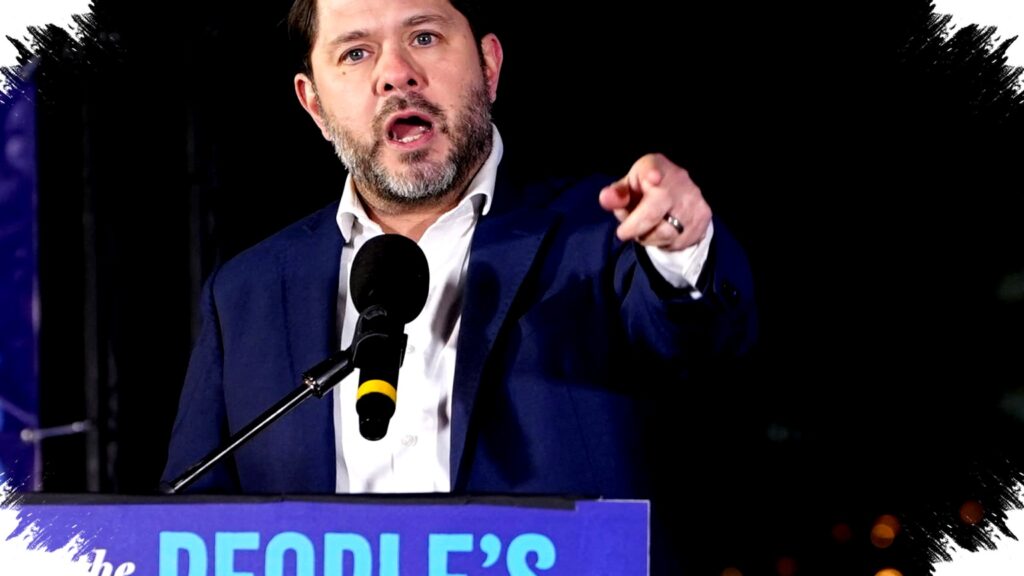
Representatives Sam Liccardo of California and Senator Ruben Gallego of Arizona characterized the waiver as a dangerous and counterproductive policy. In a letter to Treasury Secretary Scott Bessent, they described the 30-day exemption as granting “material benefit to the enemy,” criticizing the administration for enabling Russia to profit from oil sales despite sanctions imposed due to its invasion of Ukraine.
The Treasury Department’s waiver aims to ease the spike in oil prices caused largely by disruptions in the Strait of Hormuz, a critical shipping lane for about 20 percent of the world’s oil supply. The administration argues that allowing India to import Russian oil serves as a pragmatic measure to prevent further price surges and maintain refinery operations in Asia and Europe.
However, the Democratic lawmakers highlight concerns that Russia is currently assisting Iran in targeting U.S. military assets in the region. Liccardo and Gallego claim that supporting Russian oil sales indirectly rewards Russia’s hostile actions against American troops. They contend that the waiver undermines sanctions designed to constrain Russia’s military capabilities and threatens the safety of U.S. personnel overseas.
The letter also questions the administration’s contingency planning and coordination with allies to secure alternative energy supplies for India and other friendly nations. The lawmakers allege that the waiver represents a failure to anticipate and mitigate the broader consequences of the Iran conflict on energy markets and national security.
The timing of this dispute is critical, as the surge in energy prices is fueling economic anxieties among U.S. voters ahead of the November midterm elections. Crude oil prices have climbed above $108 per barrel, pushing gasoline prices to an average of $3.44 per gallon. These increases exacerbate the affordability crisis facing many Americans, a factor that has contributed to declining approval ratings for President Donald Trump’s economic policies.
Energy Secretary Chris Wright defended the waiver by stating it is a short-term solution intended to prevent an even steeper rise in fuel costs. Wright suggested that diverting Russian oil sales to India could prevent more of that supply from going to China. Though he acknowledged reports of Russian intelligence cooperation with Iran, he downplayed their confirmed validity, stating, “We don’t know if that’s true or not.”
Democrats Liccardo and Gallego have asked Treasury Secretary Bessent several pointed questions about the future of the waiver. They want to know if waivers will continue should the Strait of Hormuz remain inaccessible and whether the Treasury Department was aware of the alleged intelligence sharing before issuing the waiver. Furthermore, they seek details on how and under what conditions the waiver might be rescinded.
They also pressed the administration for transparency regarding any oil price stabilization plans developed prior to the military action against Iran. Their letter emphasizes that these questions address two main accountability issues: the direct consequences of the waiver on sanctions enforcement and national security, and the broader failures in planning and coordination with allies before launching unauthorized military operations.
This debate highlights the complex intersection between foreign policy, sanctions enforcement, energy security, and domestic political considerations. The administration’s balancing act between managing global oil markets and maintaining pressure on adversaries continues to attract intense scrutiny from lawmakers on both sides of the aisle.
Read more at: www.cnbc.com