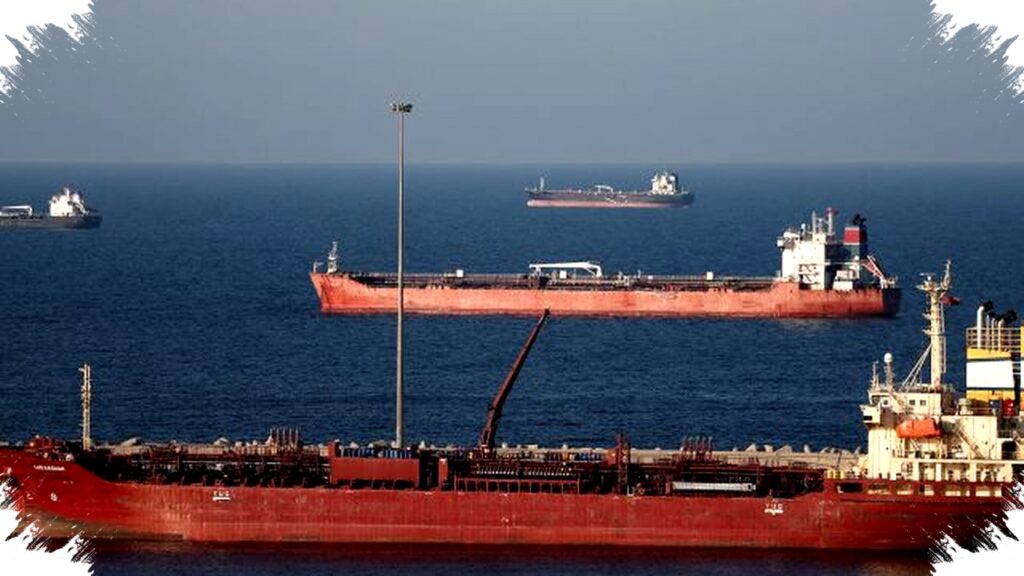
Iran has started deploying mines in the Strait of Hormuz, a critical maritime chokepoint vital for global energy supplies. This waterway handles about one-fifth of the world’s crude oil, making its security crucial for international markets, according to sources familiar with U.S. intelligence.
The recent mining activity is limited to a few dozen mines laid in the last days, but Iran retains a majority of its mine-laying vessels and small boats. Intelligence officials estimate that Iran could deploy hundreds of mines, leveraging its fleet to control or disrupt shipping through the strategic strait.
Military Capabilities and Control in the Strait
Iran’s Islamic Revolutionary Guard Corps (IRGC) now shares control over the strait with Iran’s navy. The IRGC reportedly operates a mix of dispersed mine-laying boats, explosive-laden vessels, and shore-based missile batteries capable of creating a formidable barrier against maritime traffic. This array of naval assets enhances Iran’s capability to menace vessels attempting passage.
President Donald Trump publicly demanded the immediate removal of any mines Iran may have placed. He warned that failure to remove them would provoke unprecedented consequences. Conversely, the removal of mines by Tehran would be seen as a significant step toward de-escalating tensions.
U.S. Military Response
At President Trump’s direction, U.S. Central Command has conducted operations targeting Iranian mine-laying vessels in the region. The military claims it has destroyed 16 minelayers and multiple other Iranian naval craft near the Strait of Hormuz. These actions demonstrate a strategic effort to prevent the strait from being used as a tool to hold shipping hostage.
Secretary of Defense Pete Hegseth reiterated the U.S. commitment to maintaining freedom of navigation. He emphasized that terrorists or hostile forces would not be allowed to control this vital passageway.
Impact on Shipping and Global Markets
The IRGC’s warnings about attacking any ships transiting the strait have effectively closed the channel amid the ongoing conflict. Shipping companies and officials describe the strait as a “death valley,” underscoring the extreme risks. To date, the U.S. Navy has not provided escort services for commercial vessels moving through the area, though considerations to do so are reportedly underway.
Approximately 15 million barrels per day (bpd) of crude oil production, along with an additional 4.5 million bpd of refined fuels, remain stranded due to the blockade. Major Gulf producers, including Iraq and Kuwait, have no alternative route other than the Strait of Hormuz. The G7 nations have signaled a willingness to increase oil supply releases to mitigate shortages.
Market Volatility
The uncertainty over the safe transit of oil through the Strait of Hormuz has resulted in significant volatility in crude oil prices. Prices fluctuated between highs above $90 per barrel and lows under $80 in rapid succession, reflecting market concerns over potential supply disruptions.
As developments continue, the Strait of Hormuz remains a focal point for geopolitical tensions and global energy security, with both military and economic implications continuing to evolve rapidly.
Read more at: www.cnn.com