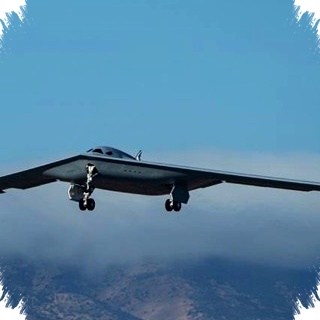
The B-21 Raider has recently been observed conducting aerial refueling test flights, marking a significant advancement in its development. Images surfaced showing the stealth bomber in close formation with a KC-135 Stratotanker over California, confirming ongoing refueling-related testing.
An Air Force spokesperson verified that a B-21 flight test aircraft completed a close-proximity flight event with the KC-135 tanker. This milestone forms part of a rigorous test campaign aimed at validating the bomber’s capabilities and operational readiness.
Flight tracking data identified the KC-135 tanker as belonging to the 370th Flight Test Squadron based at Edwards Air Force Base. Additional footage revealed that an F-16 fighter jet accompanied the B-21 during the test, underscoring the complexity of the flight exercise.
B-21 testing gains heightened relevance amid ongoing U.S. military operations involving current long-range bombers in conflict zones. The Air Force plans to deliver the first B-21 Raider by 2027, with optimism growing that some development milestones may be achieved ahead of schedule.
Mark Gunzinger, director of future concepts at the Mitchell Institute and a former B-52 pilot, emphasized the importance of proximity testing in the bomber’s development. He explained that pilots practice emergency breakaways near tankers before engaging in actual refueling, and a sequence of steps will eventually lead to fuel transfer operations.
Recent budget agreements have accelerated B-21 production by 25 percent, fueled by a $4.5 billion allocation from the 2025 reconciliation bill. The Pentagon intends to deploy these funds expeditiously to maintain momentum without compromising program effectiveness.
Ellsworth Air Force Base in South Dakota is designated as the first main operating base and training center for the B-21 upon its entry into service. Air Force officials maintain that the delivery timeline for the first Raider remains on track for 2027.
Challenges of Aging Tanker Fleet
This latest testing phase underscores broader concerns about the supporting infrastructure needed for next-generation bombers. The nearly 70-year-old KC-135 tanker currently employed for refueling is increasingly viewed as outdated for modern warfare demands.
Lt. Gen. Reba Sonkiss, interim head of Air Mobility Command, highlighted the urgency of planning for a new refueling tanker that can effectively support platforms like the B-21. She noted that relying on antiquated tankers well into this century is unsustainable for future combat scenarios.
Gunzinger agreed, recognizing the KC-135’s capability to refuel current aircraft but stressing the need for upgrades to meet emerging threats. He pointed out that the KC-135 was originally designed during Cold War conflicts, lacking modern secure communication and connectivity features critical for future high-stakes operations.
Key Takeaways:
- The B-21 Raider has successfully completed test flights involving close aerial proximity to refueling tankers.
- The KC-135 Stratotanker supports refueling operations, despite its legacy design dating back to the 1950s.
- The Air Force expects to deploy the first operational B-21 by 2027 at Ellsworth Air Force Base.
- Production has been accelerated with substantial additional funding approved recently.
- The need for modern refueling tankers to support next-gen aircraft like the B-21 is increasingly urgent.
These developments highlight the intricate process of preparing the B-21 Raider for active service. The aerial refueling tests represent an essential step toward ensuring the bomber’s long-range operational capability. At the same time, they reveal challenges related to sustaining the aging refueling fleet that will be vital in supporting future global strike missions.
Read more at: www.defenseone.com