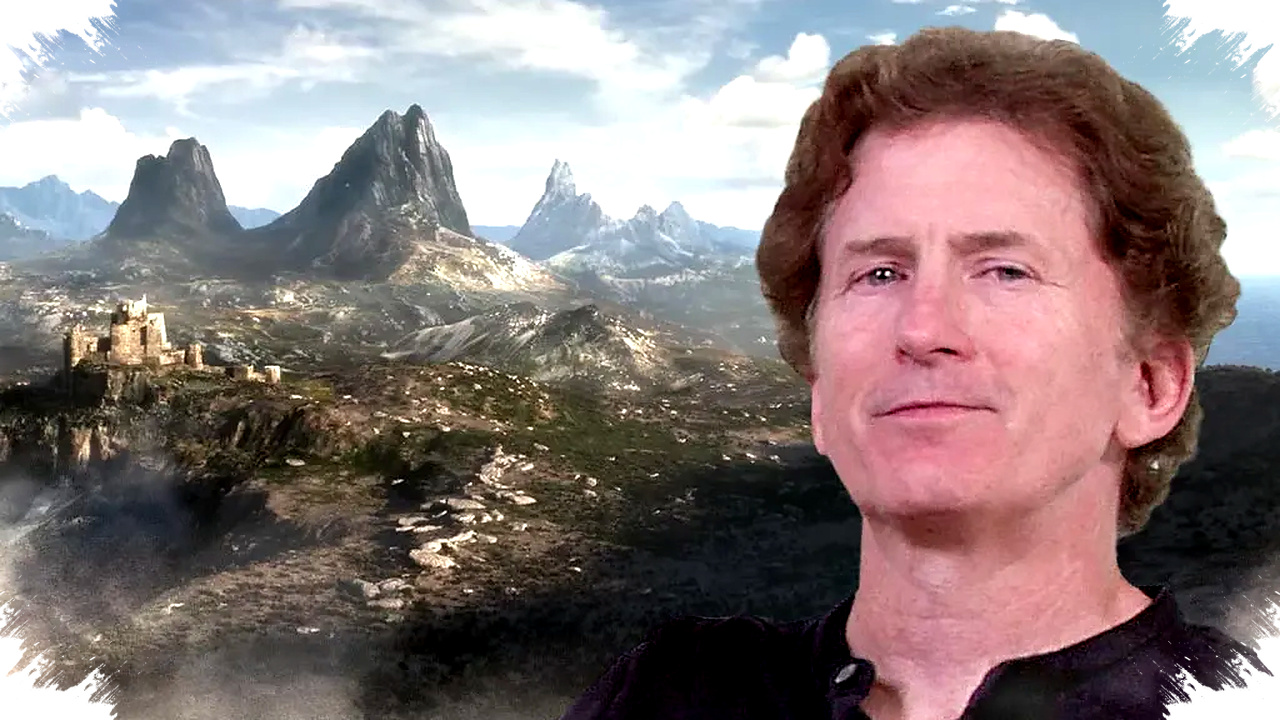
Todd Howard Shares Insights on Elder Scrolls 6, Starfield’s PS5 Release, and Bethesda’s Forward Path
Bethesda Game Studios continues to evolve its flagship RPGs with ongoing updates and ambitious future projects. Studio head Todd Howard recently provided an in-depth perspective on the current progress of The Elder Scrolls 6, the newly announced PlayStation 5 port of Starfield, and the evolving relationship with Xbox’s leadership in an exclusive interview with IGN.
Todd Howard emphasized that updating Starfield involves balancing the addition of new content with improving overall gameplay longevity. Rather than traditional expansion packs, Bethesda is focusing on bundled content and quality-of-life improvements designed to keep the game engaging over hundreds of hours. “It’s about changing the game in a meta way — the way you play it over long stretches, not just completing a questline and stopping,” Howard explained.
Howard also acknowledged the challenge of satisfying millions of players with different expectations while remaining true to Bethesda’s creative vision. He noted the studio’s deliberate approach to communication, often preferring to reveal substantial updates only when fully ready. “We try to share as much as possible but also want to make sure those moments are exciting and informative,” he said.
Starfield’s Long-Anticipated PS5 Version
The topic of a PS5 port for Starfield was a key highlight. Howard confirmed the decision to bring Starfield to PlayStation consoles has been deliberate. Despite Bethesda now operating under Xbox, the studio maintains a longstanding relationship with PlayStation. “We always wanted to do it; it was a matter of time,” Howard affirmed. The port has been in development for a while, with Bethesda continuing active support for titles like Fallout 76 and Skyrim on PlayStation platforms even as they prioritized Xbox for Starfield’s initial launch.
Regarding the recent leadership changes at Xbox, with Phil Spencer stepping down and Asha Sharma taking over, Howard expressed mixed emotions. He praised Spencer’s commitment to protecting creative vision behind the scenes and expressed excitement about Sharma’s leadership. “We’re excited about the future,” he stated while noting ongoing close collaboration with Matt Booty.
Technical Evolution and Creation Engine 3
Looking ahead to upcoming projects, Howard detailed the development of The Elder Scrolls 6 using Bethesda’s proprietary Creation Engine 3. He emphasized that it is more than graphical enhancements. “An engine handles data, AI, save states, platform optimization — far beyond just pixel shaders,” he said. Creation Engine 3 aims to offer scalability, supporting both cutting-edge visuals and lower-end hardware, recognizing the broad range of devices gamers use today, including handheld systems.
In contrast to Starfield’s use of Creation Engine 2, the new iteration promises better integration and stability during development. Howard noted, “We’ve had more good build days than ever before, allowing the team to keep making progress day to day.”
Balancing Exploration and Gameplay in Starfield Updates
Starfield’s recent “Free Lanes” update addresses player feedback regarding space exploration. Initially, Bethesda focused more on gameplay-rich planetary systems instead of simulating full space flight between planets. The new update enables smoother spaceship travel across systems without overwhelming players with empty expanses. Howard explained, “We wanted space to feel vast but still fun — not an amusement park. The radar and autopilot help maintain that balance.”
Howard also shared personal appreciation for the immersive ship mechanics, enjoying walking around the ship while it cruises through space, highlighting the team’s commitment to blending player freedom with gameplay depth.
RPG Design Philosophy: Choice, Consequence, and Player Experience
On RPG design, Howard rejected the term “friction” for meaningful choices, preferring decisions that feel interesting and impactful. He referenced Bethesda’s progression from strict class systems like in Oblivion toward more flexible character development in Skyrim and Starfield. Howard explained, “Players can course-correct if they feel they made a bad choice early on, which avoids frustration.”
He acknowledged the ongoing debate about scarcity and build specialization, noting Starfield’s balance of allowing access to many abilities over a long playthrough but with some selective scarcity as seen in other RPGs.
Communication and Timing of Game Announcements
Howard revealed a cautious stance on announcing games too early, using The Elder Scrolls 6 as an example. “Pretend we didn’t announce it; it doesn’t exist,” he joked, indicating a preference for revealing projects closer to release to sustain excitement. He wants players’ expectations to be aligned near the moment they start playing, compressing marketing and launch periods as much as feasible.
He cited lessons learned from Starfield and Fallout 76 about balancing communication with delivering quality content.
Bethesda’s Project Scaling and Development Management
Regarding AAA development challenges, Howard described Bethesda’s approach of starting new projects with smaller teams during pre-production for up to three years. This allows for refining core concepts before scaling up the workforce. He noted that live games like Fallout 76 require dedicated teams even years after launch, adding complexity but bringing stability.
The Elder Scrolls 6 is now in a full production phase with most of the studio and partners contributing. Howard expressed confidence in this phase, saying, “We know what we’re doing,” while continuing to foster iterative improvements.
Future Plans for Starfield
Looking forward, Howard confirmed that Bethesda has a roadmap of new features and content for Starfield beyond the upcoming update. While details remain under wraps, the studio is excited to continue evolving the experience. He thanked the Starfield community for their enthusiasm and feedback, recognizing the importance of player input in shaping the game’s ongoing development.
Bethesda seems poised to continue delivering expansive RPG experiences with careful attention to technological innovation, player engagement, and dynamic relationships across platforms and leadership—underscoring a future filled with both familiar worlds and new frontiers.
Read more at: www.ign.com